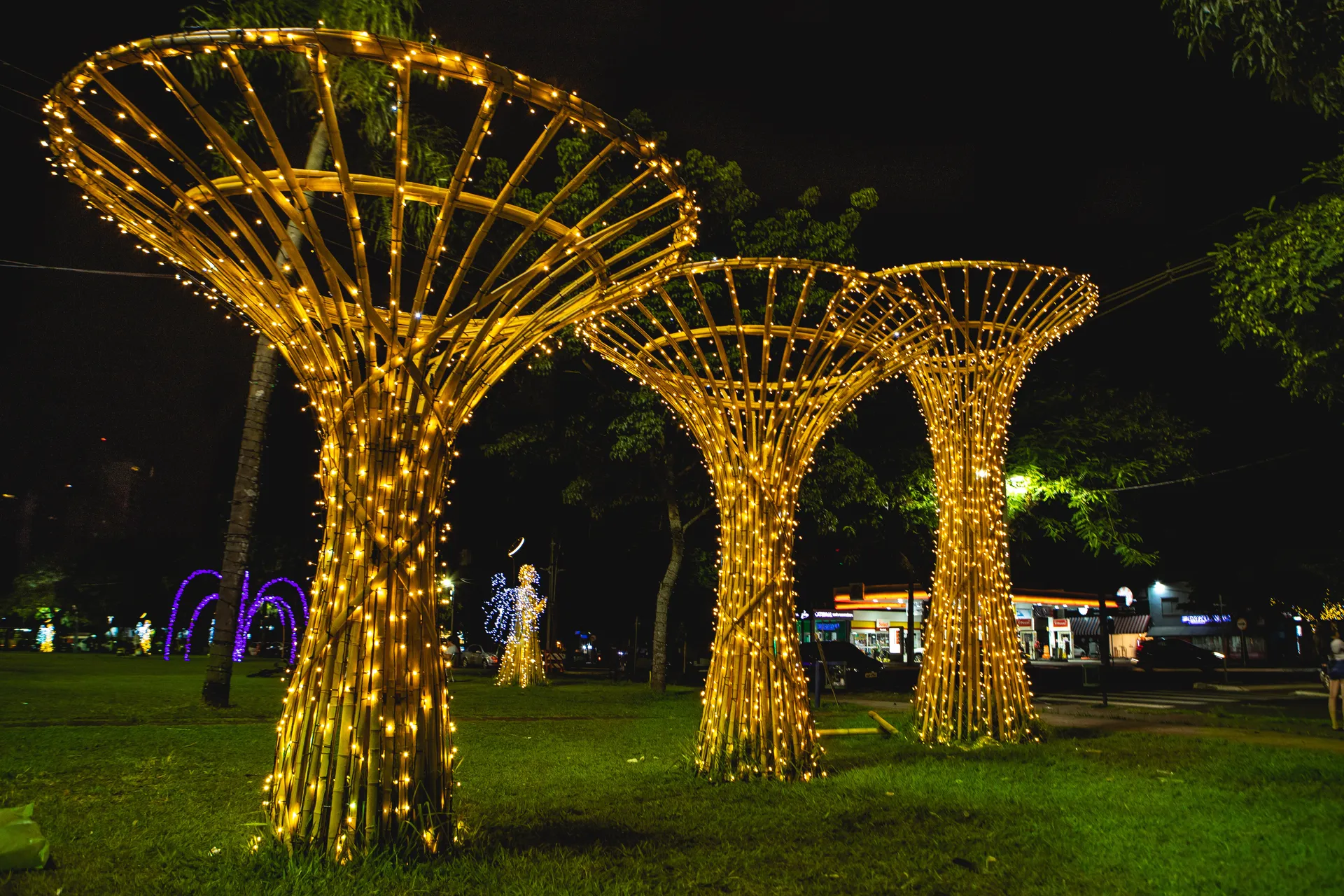
The Math of Ephemeral Architecture: How Bamboo Avoided 295 Tons of Carbon at Maringá's Christmas
The story of how a rigorous Life Cycle Assessment (LCA) report proved that bamboo outperforms steel not only aesthetically, but also in major events' biggest nightmare: disassembly logistics and final waste.
Project Context
Technical Sheet
Client
City Hall of Maringá, PR
Partner(s)
Bambusa Atelier, UGREEN Consultoria
Location
Maringá, PR
Execution
Tudubambusa — Methodology and Leadership
Scope
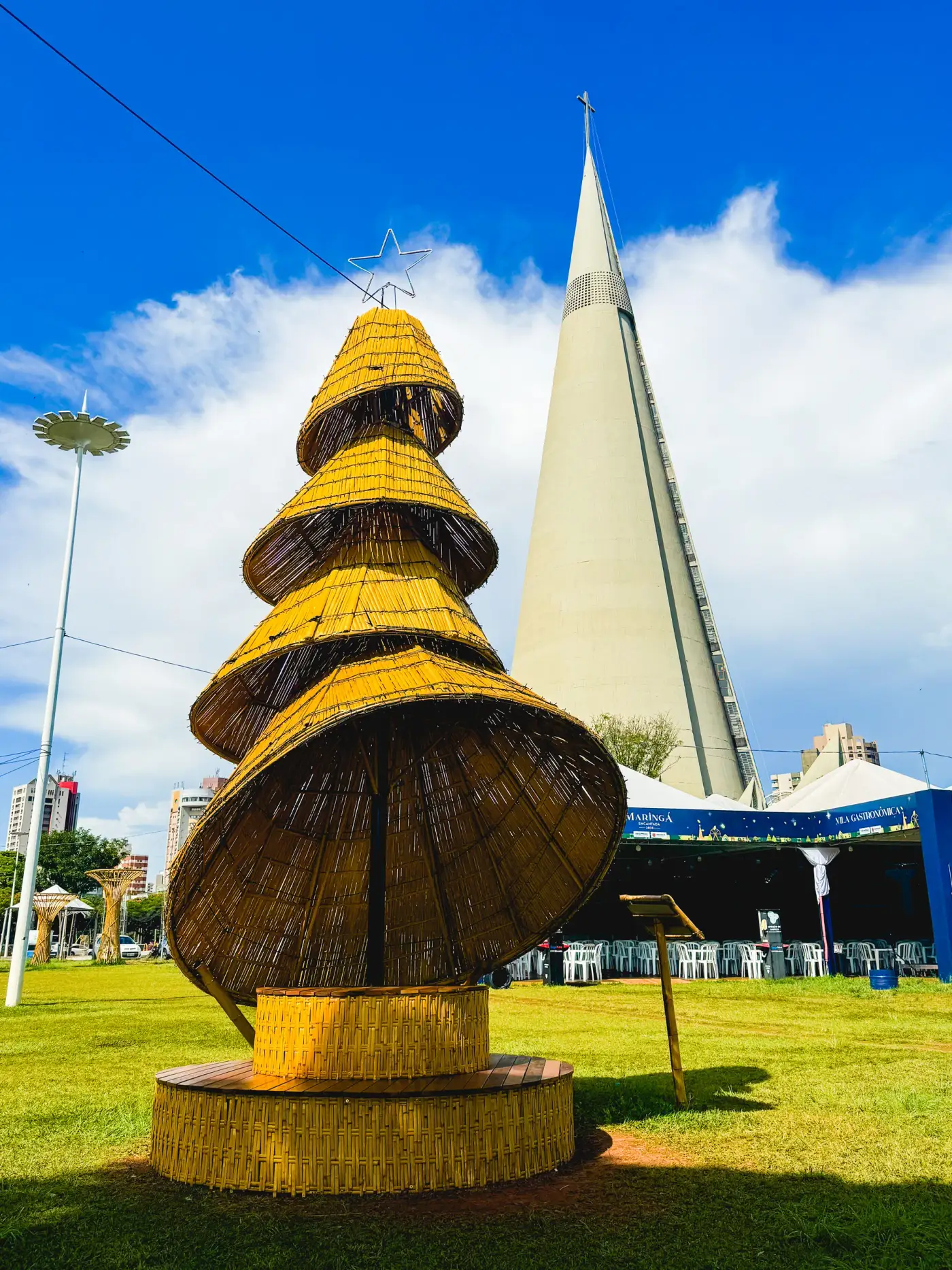
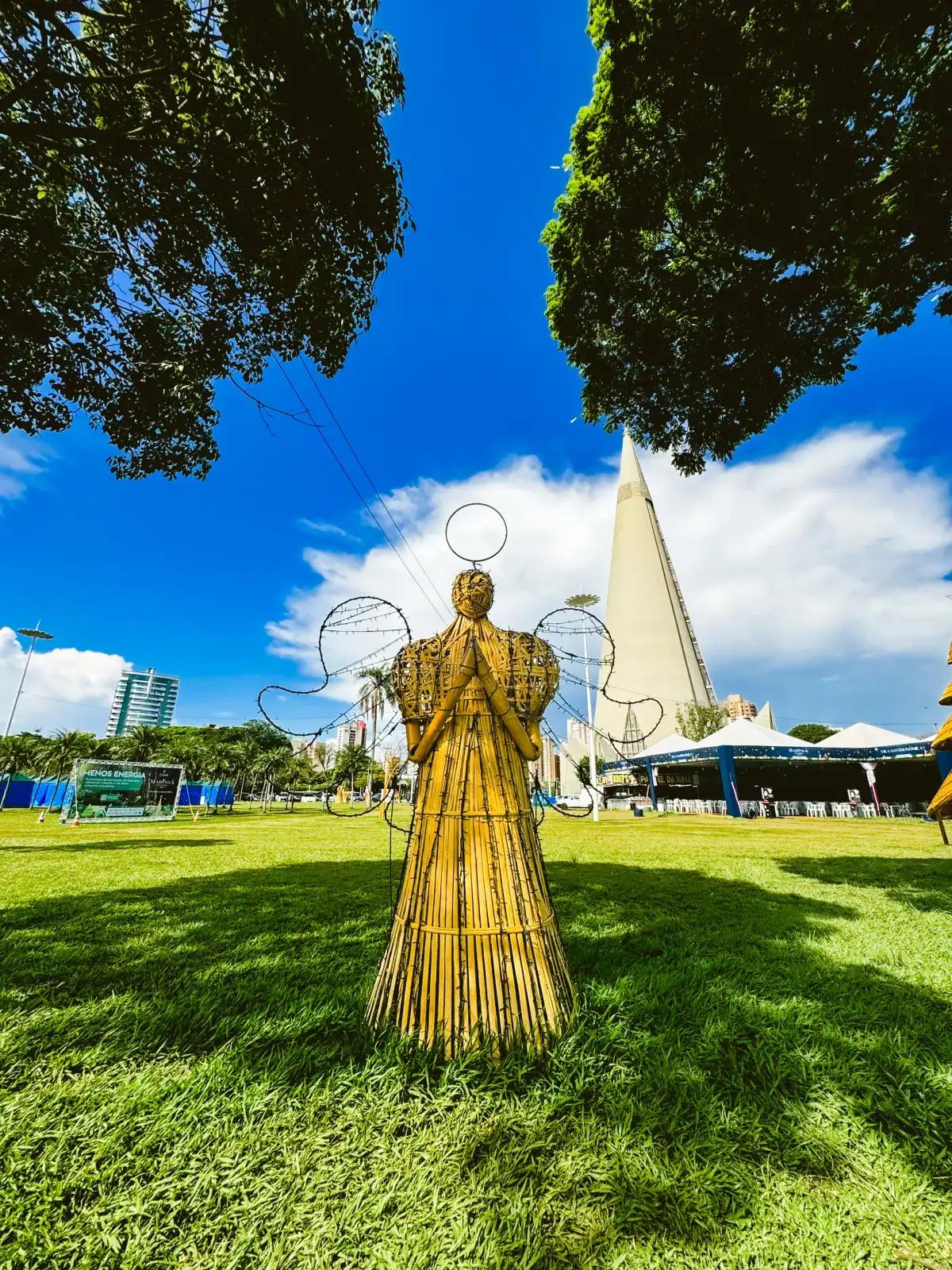
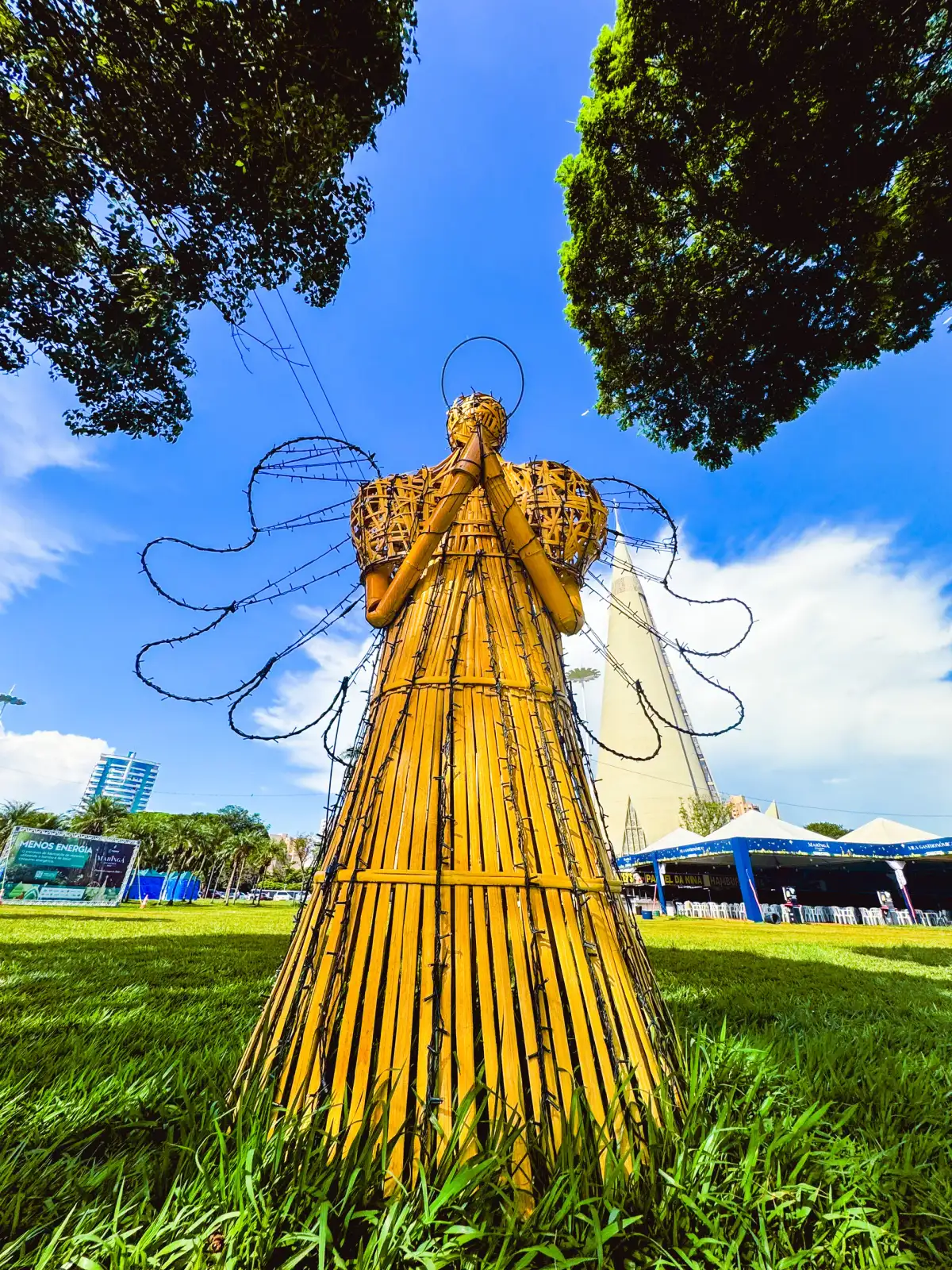
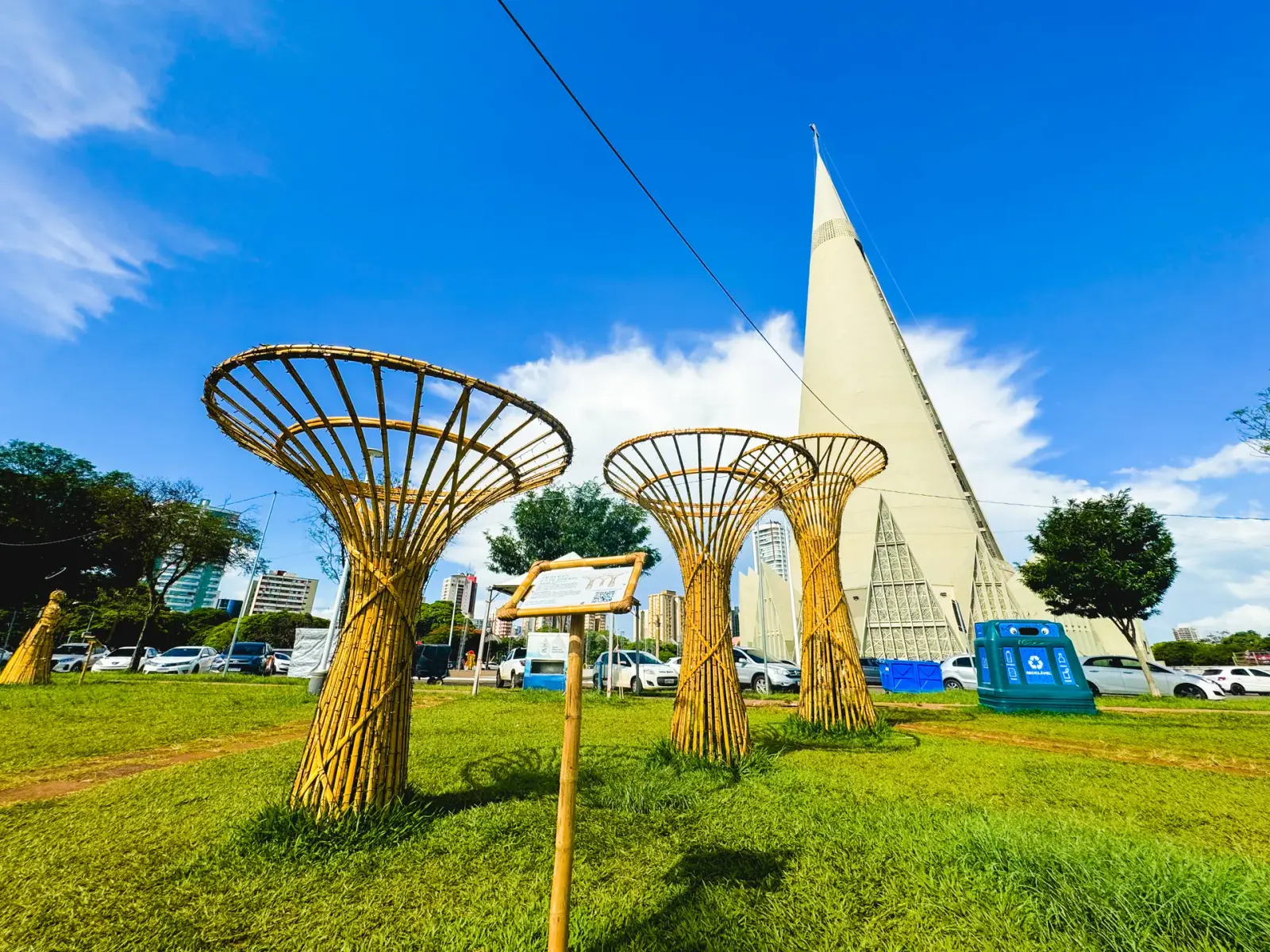
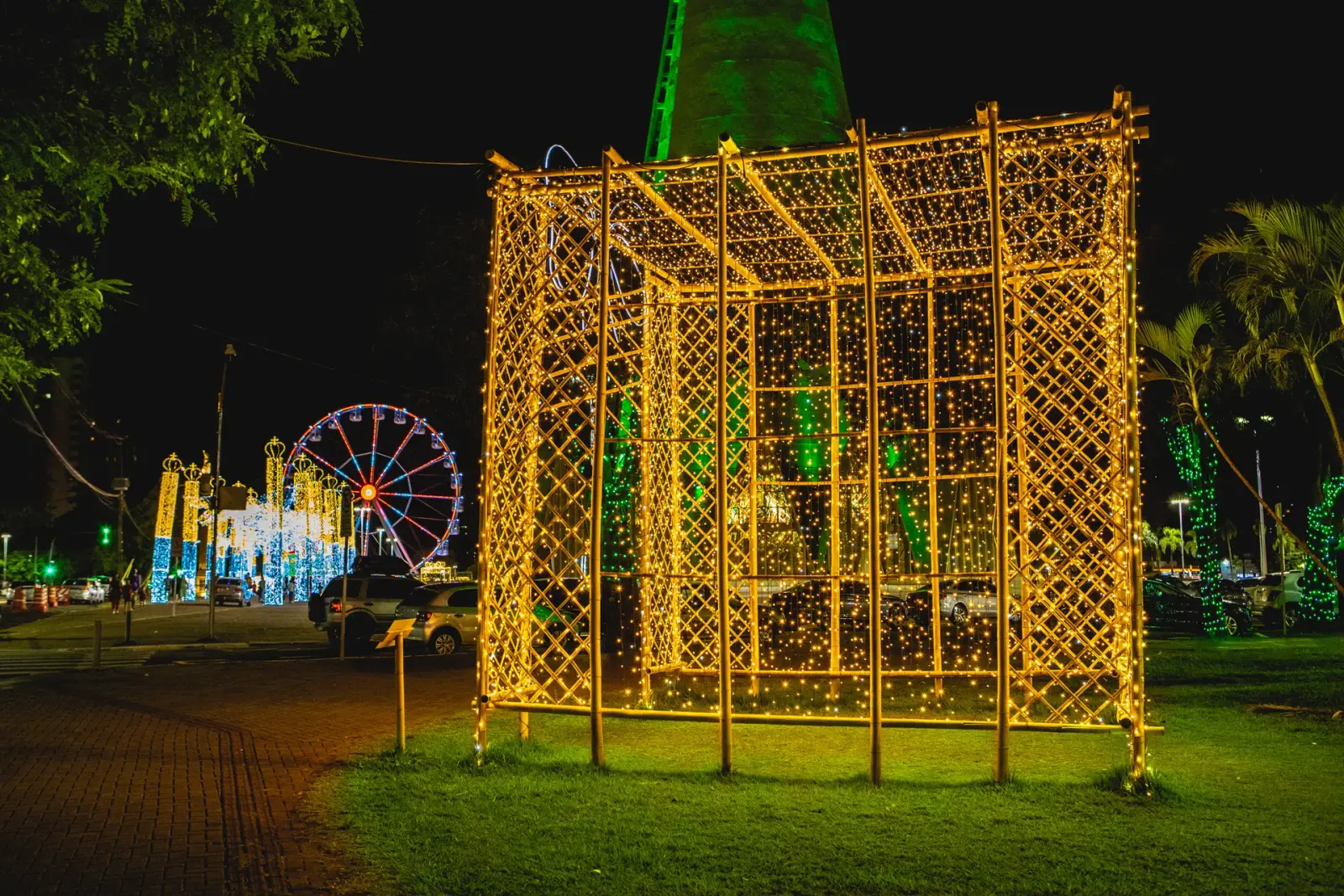
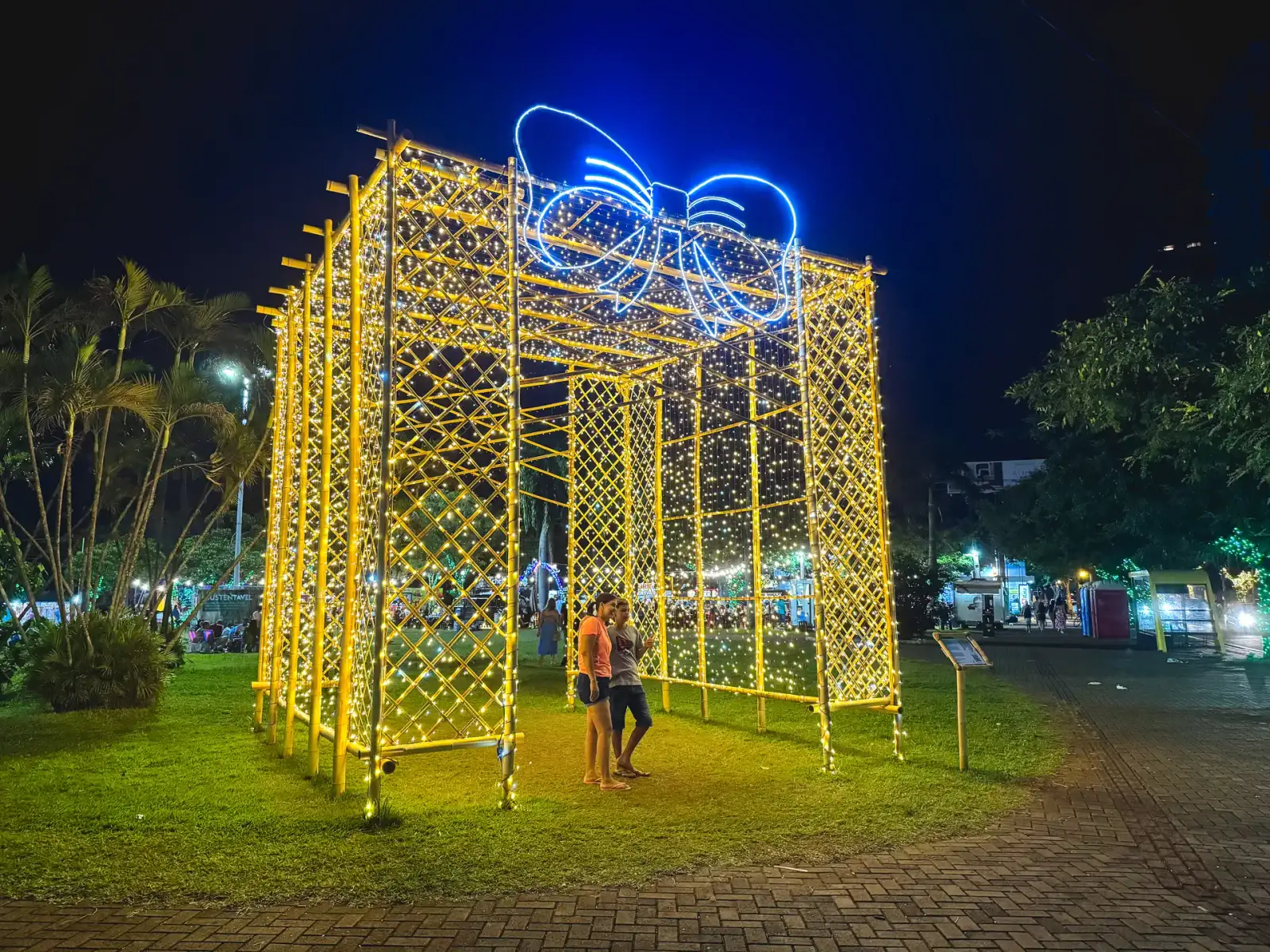
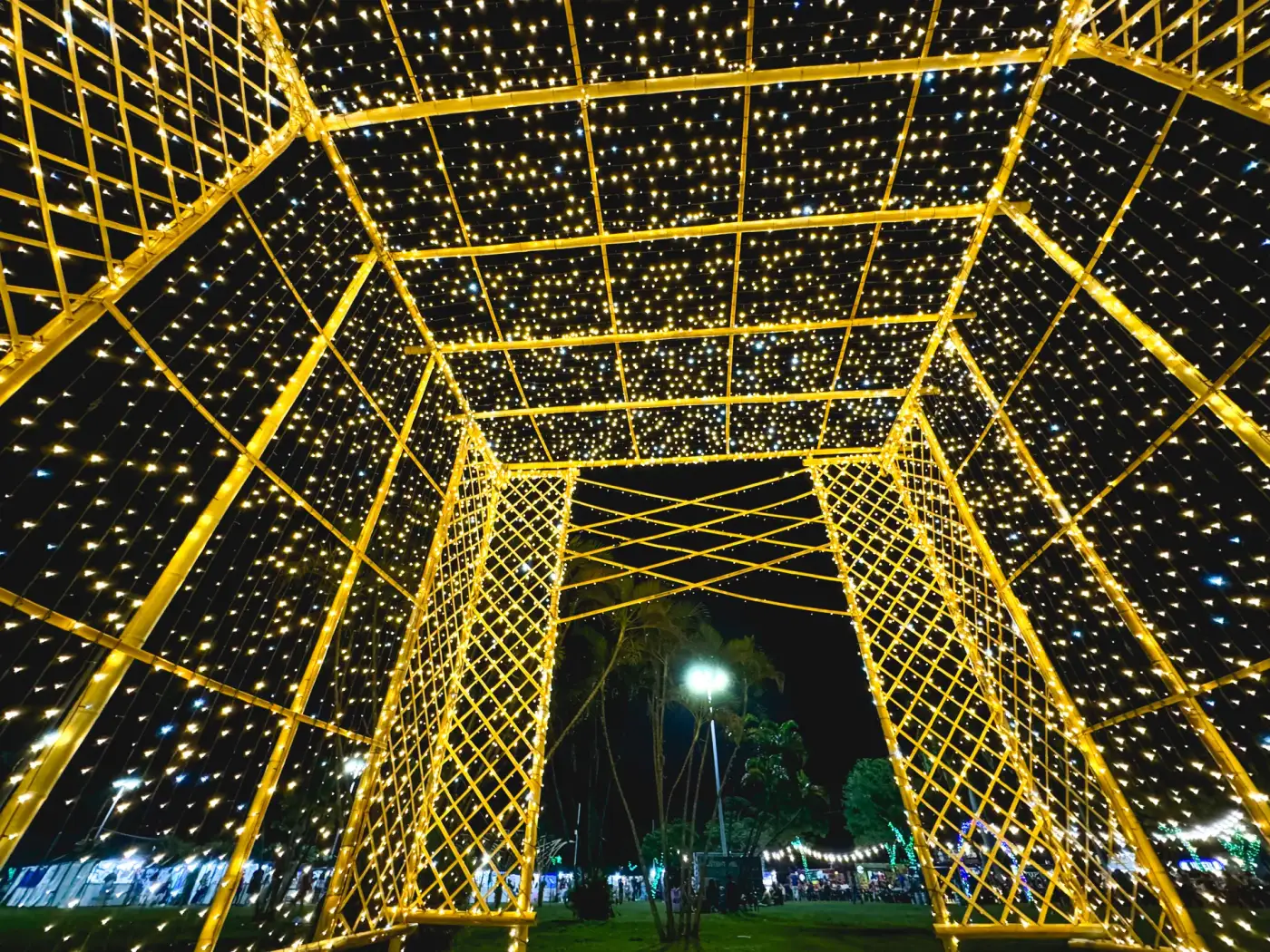
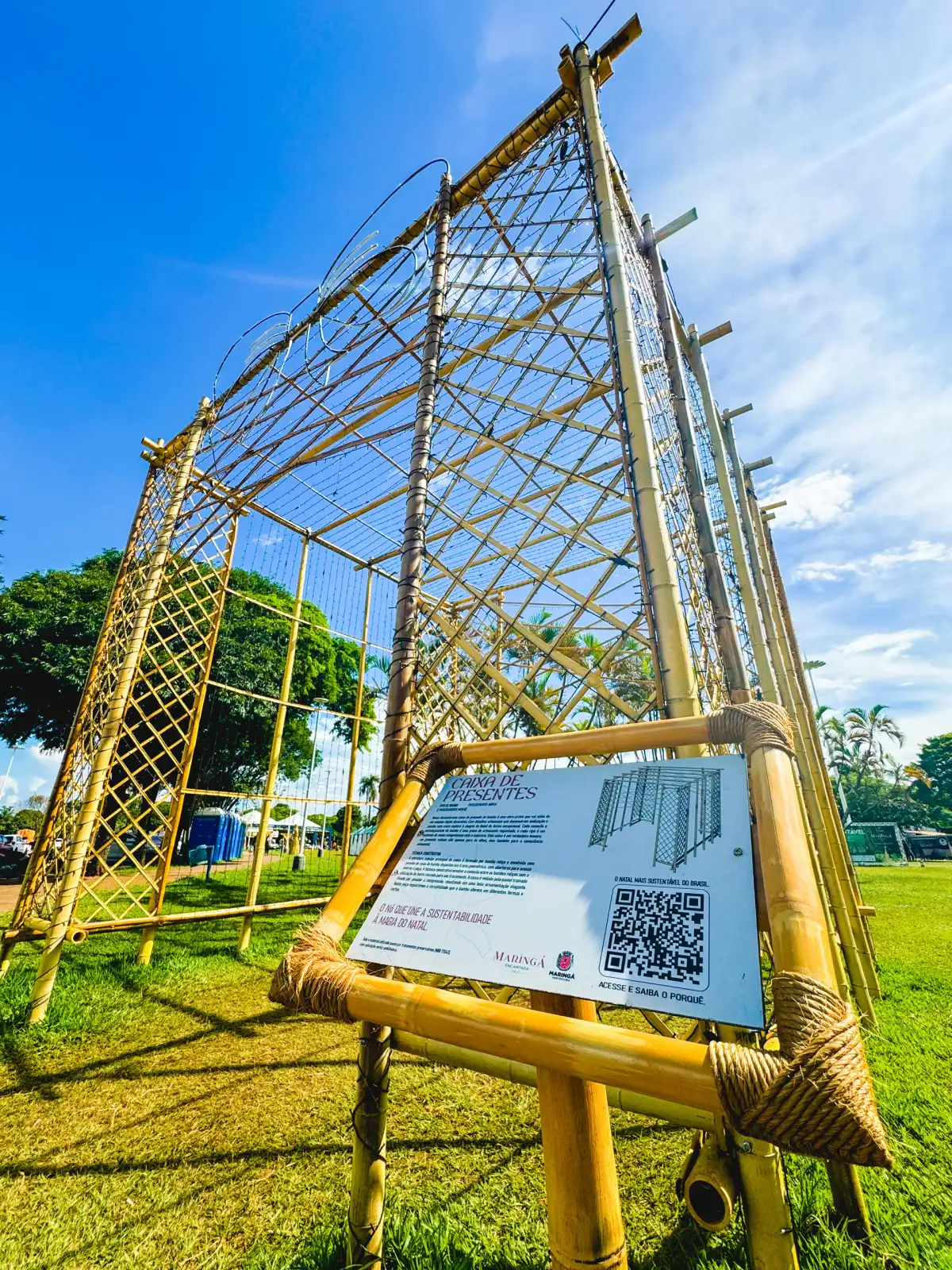
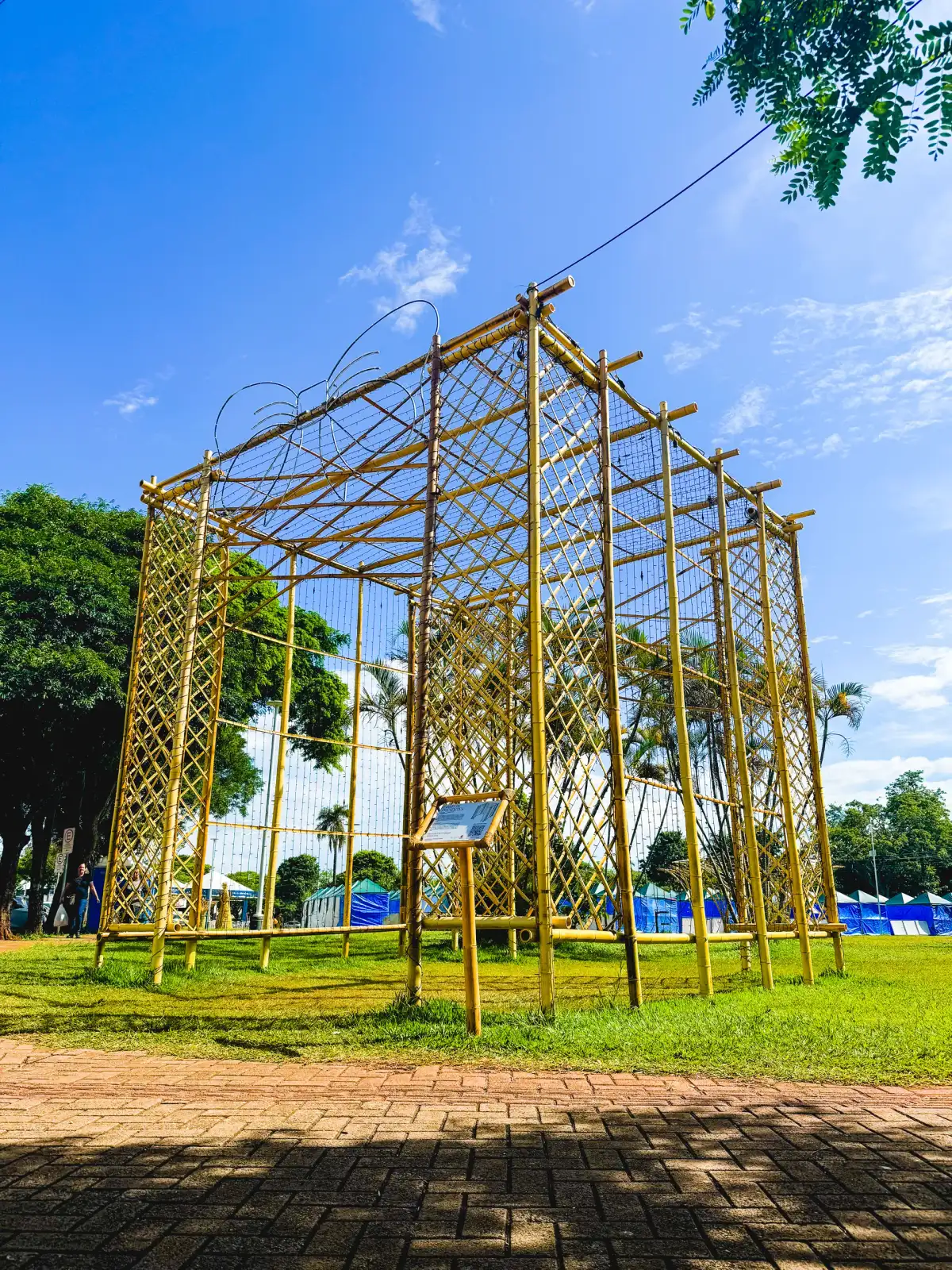
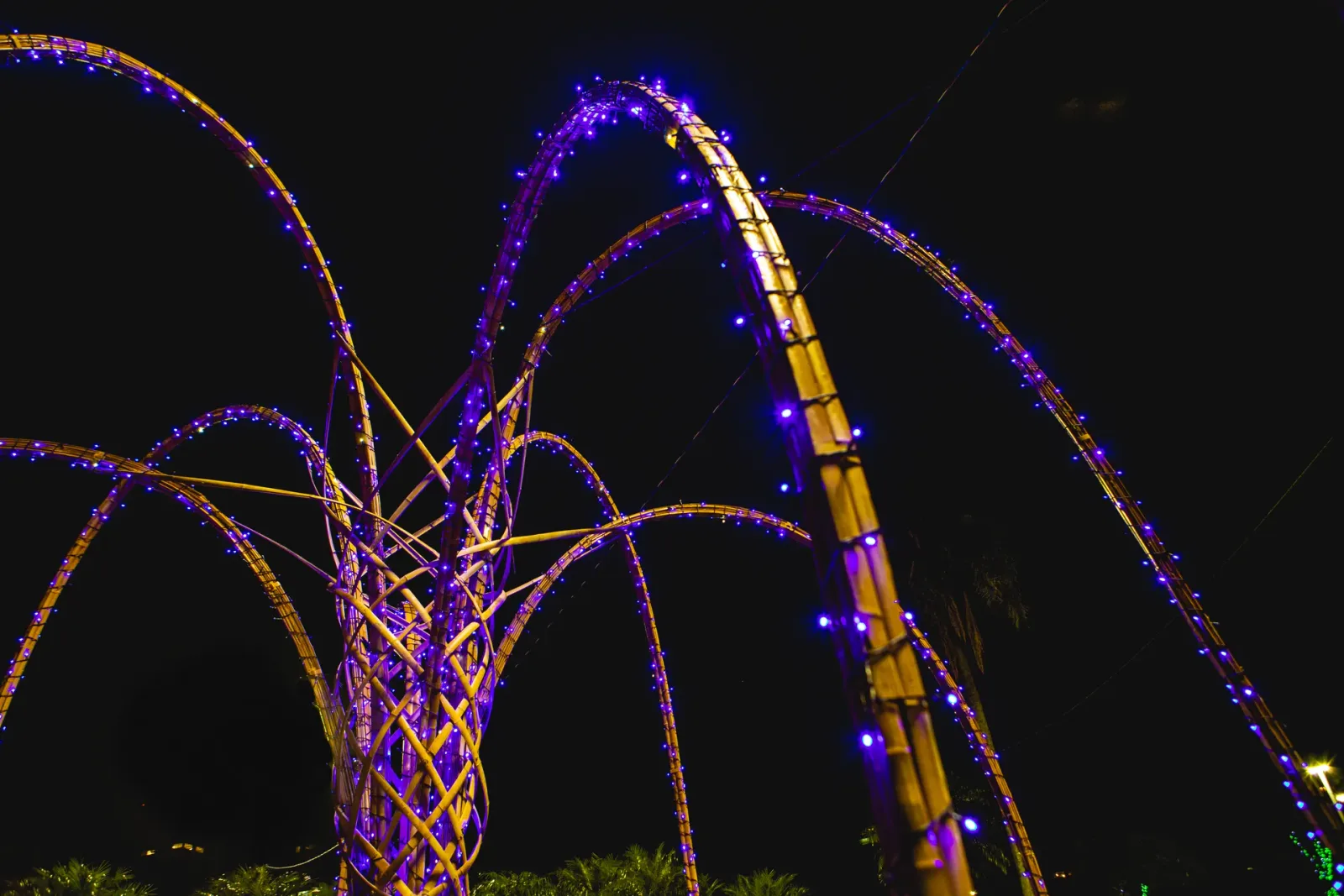
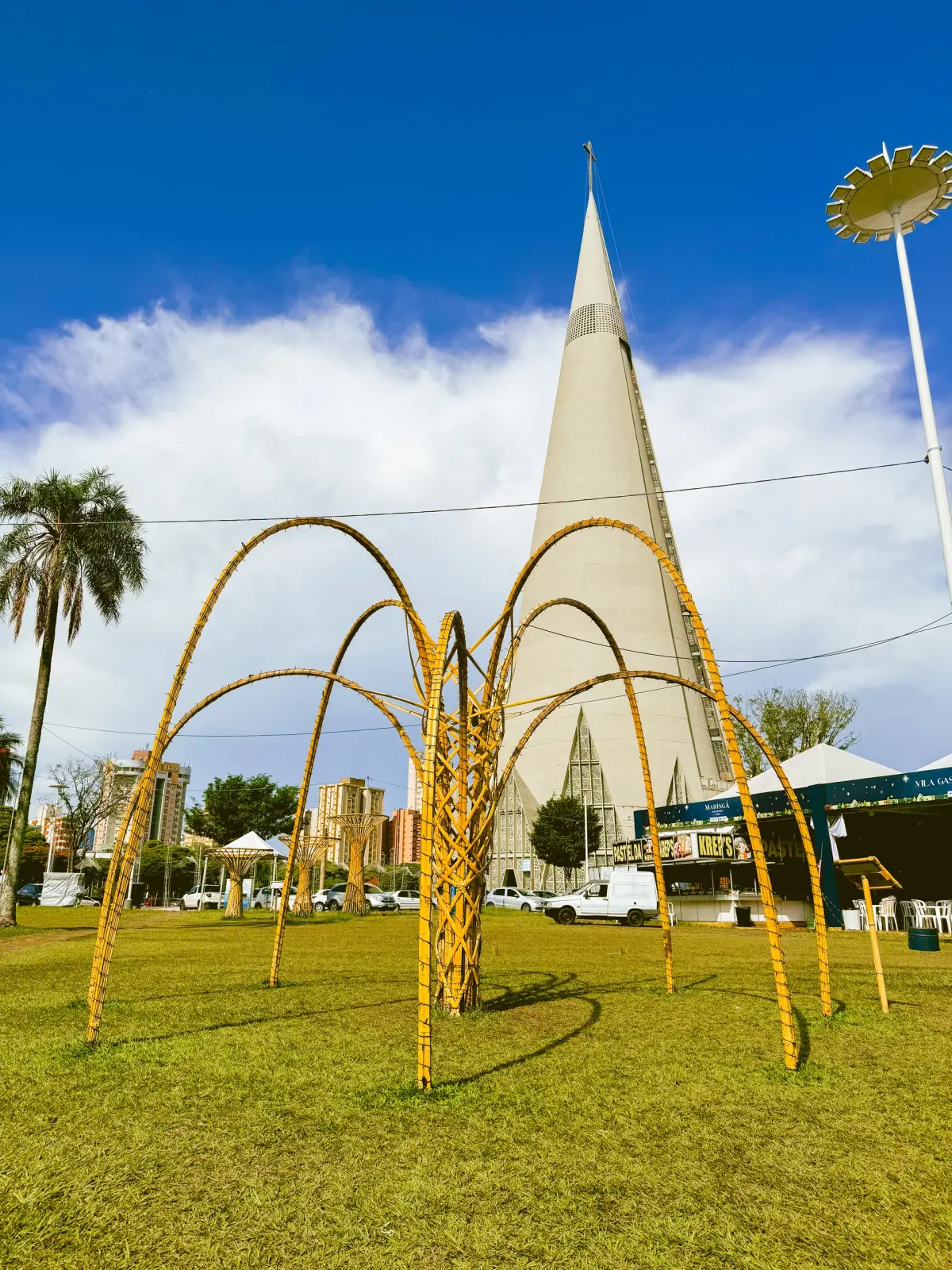
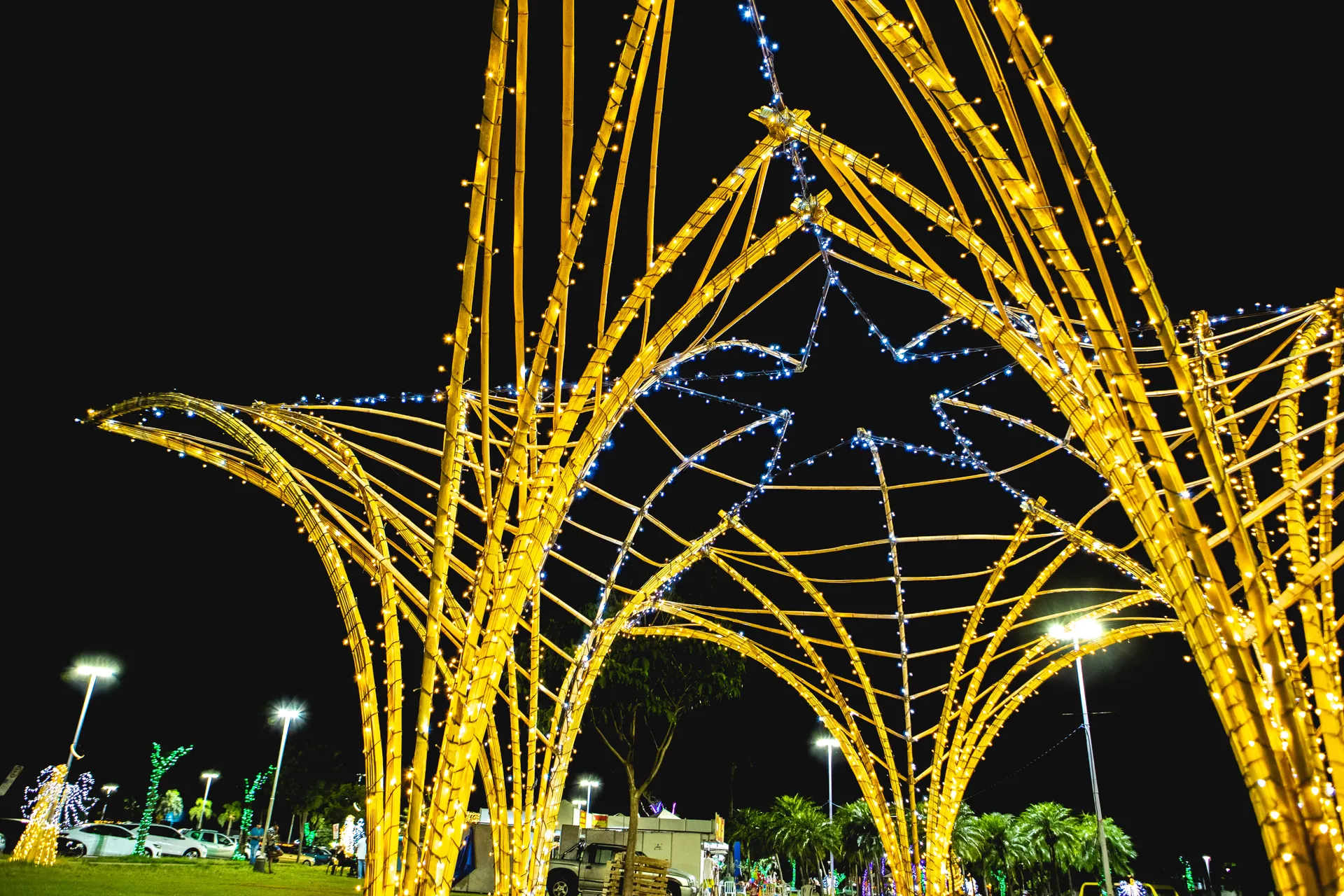
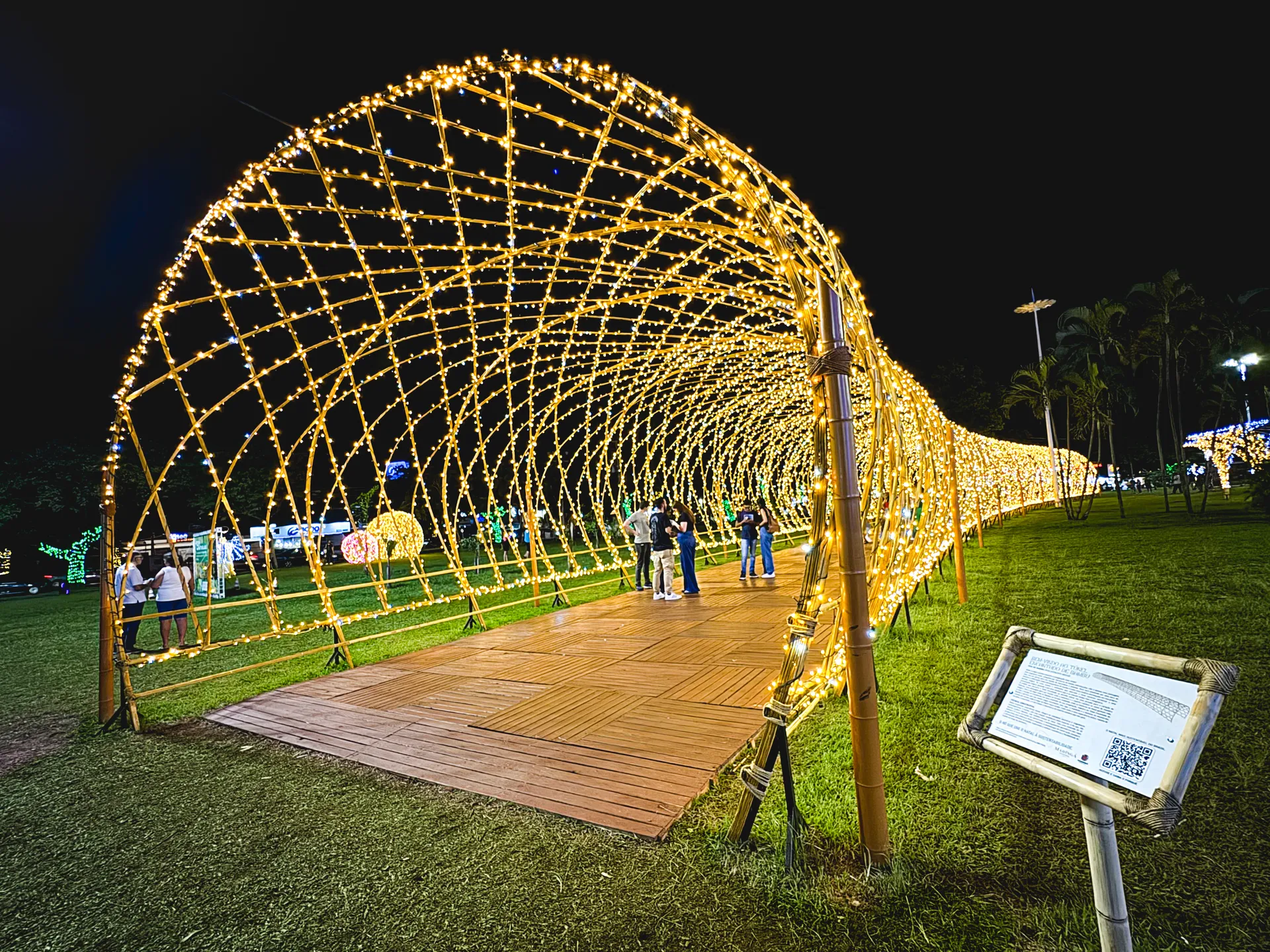
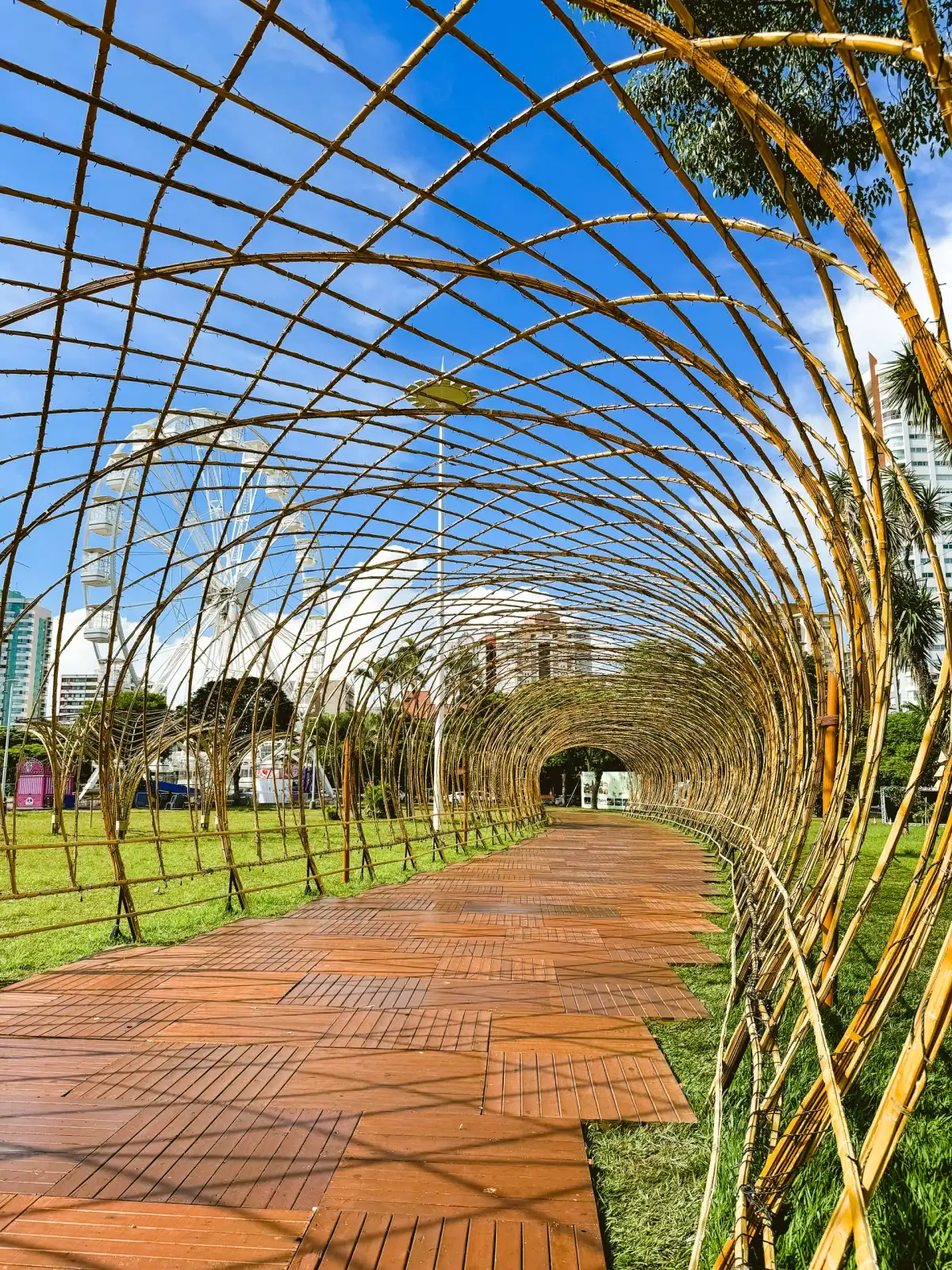
Monumental and temporary infrastructure for the Christmas festivities event.
The Core Challenge
Every major event suffers from an "environmental hangover": months of planning result in mountains of steel, high energy consumption during assembly (welds, cranes), and a colossal logistical cost during disassembly. How can a visually impactful work be created for the city without leaving an environmental and logistical liability as a legacy?
Visual Record
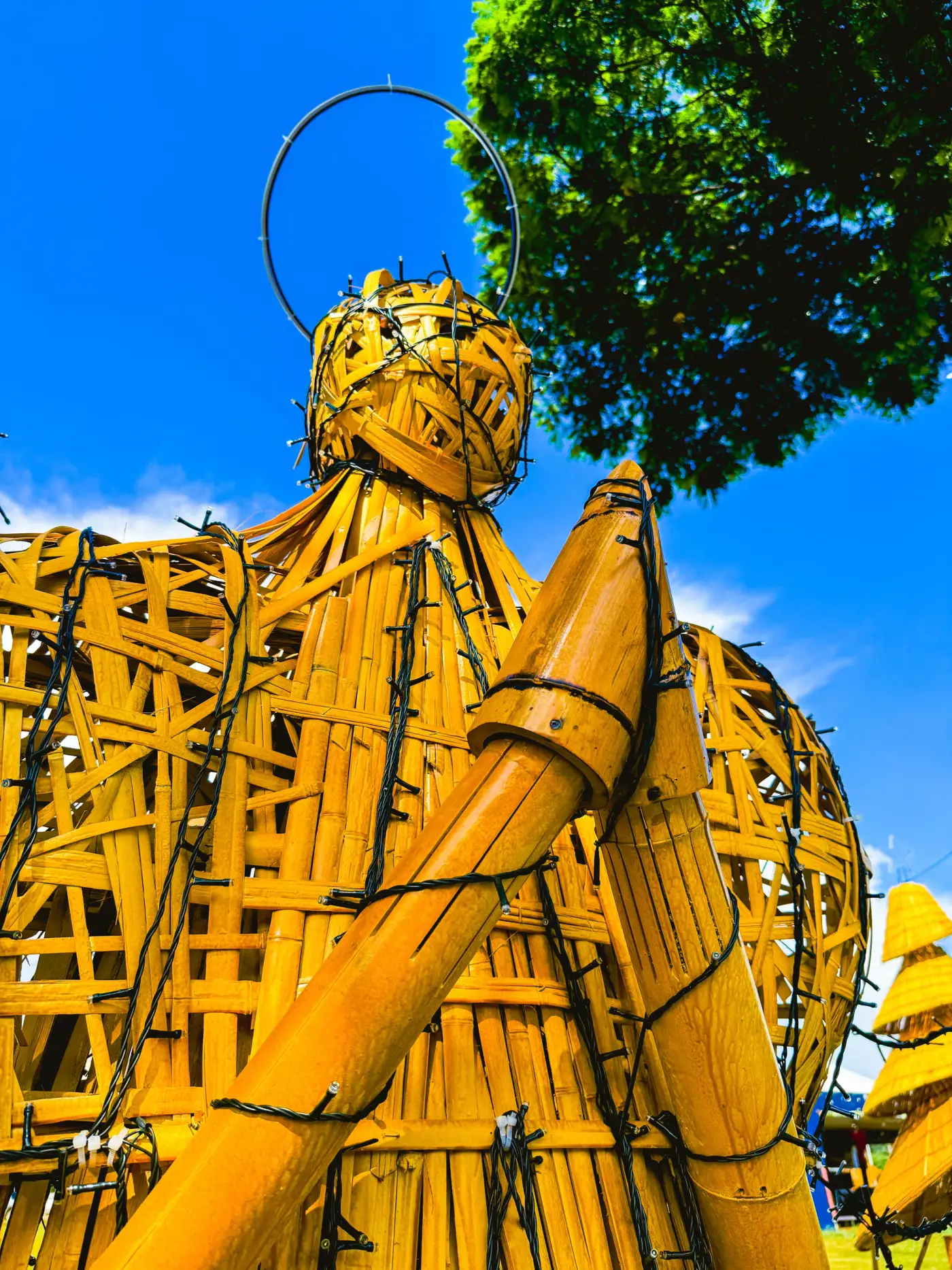
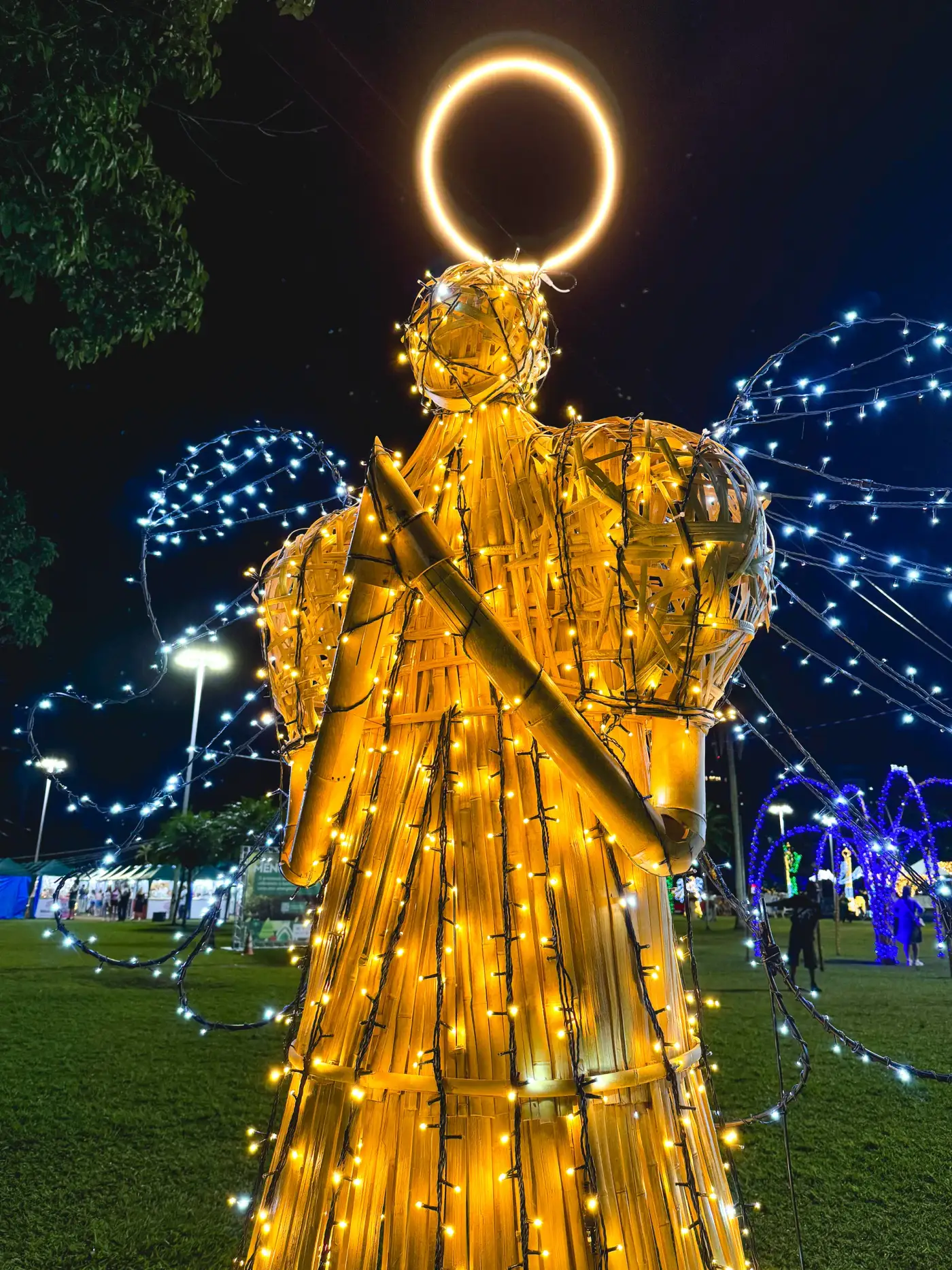
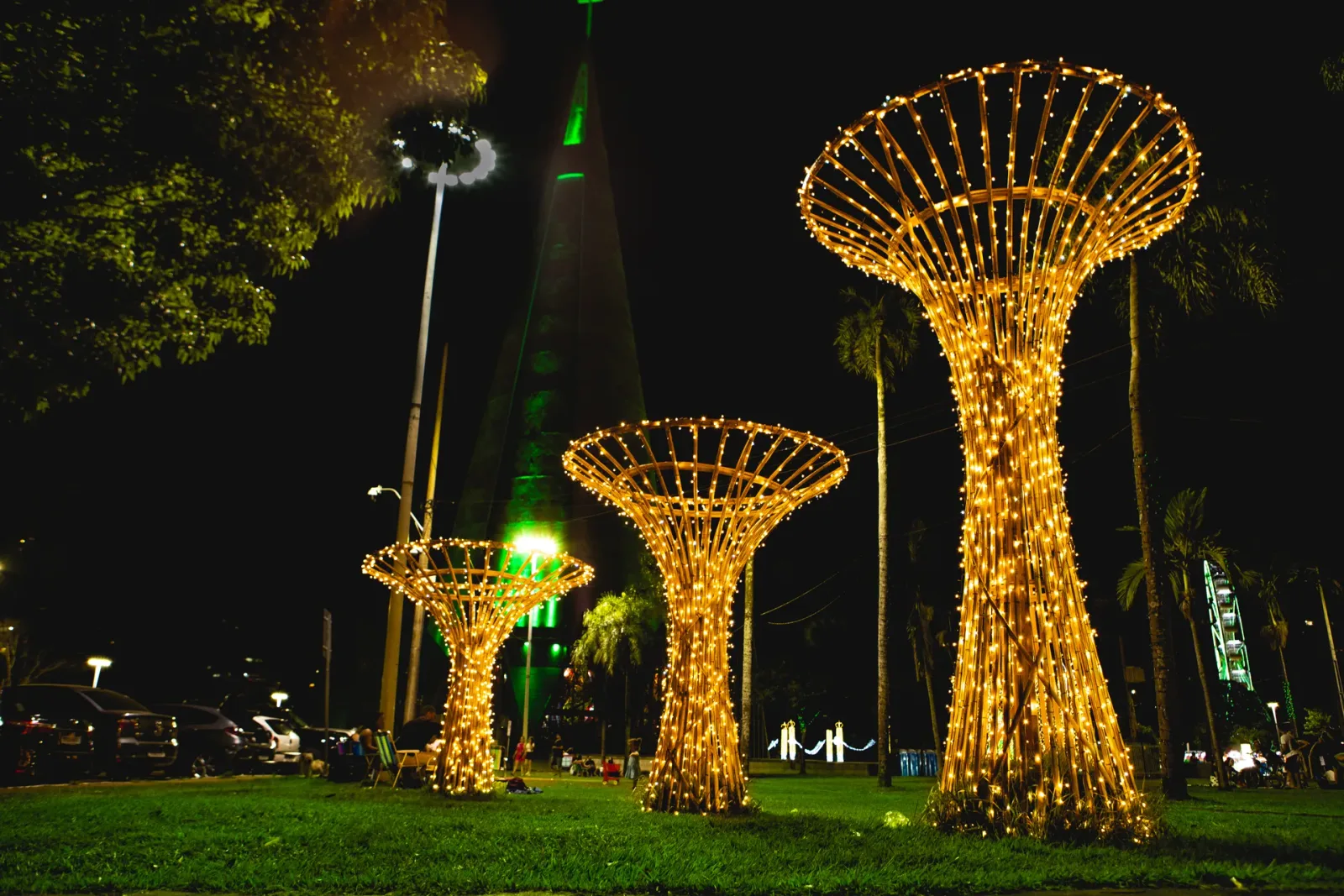
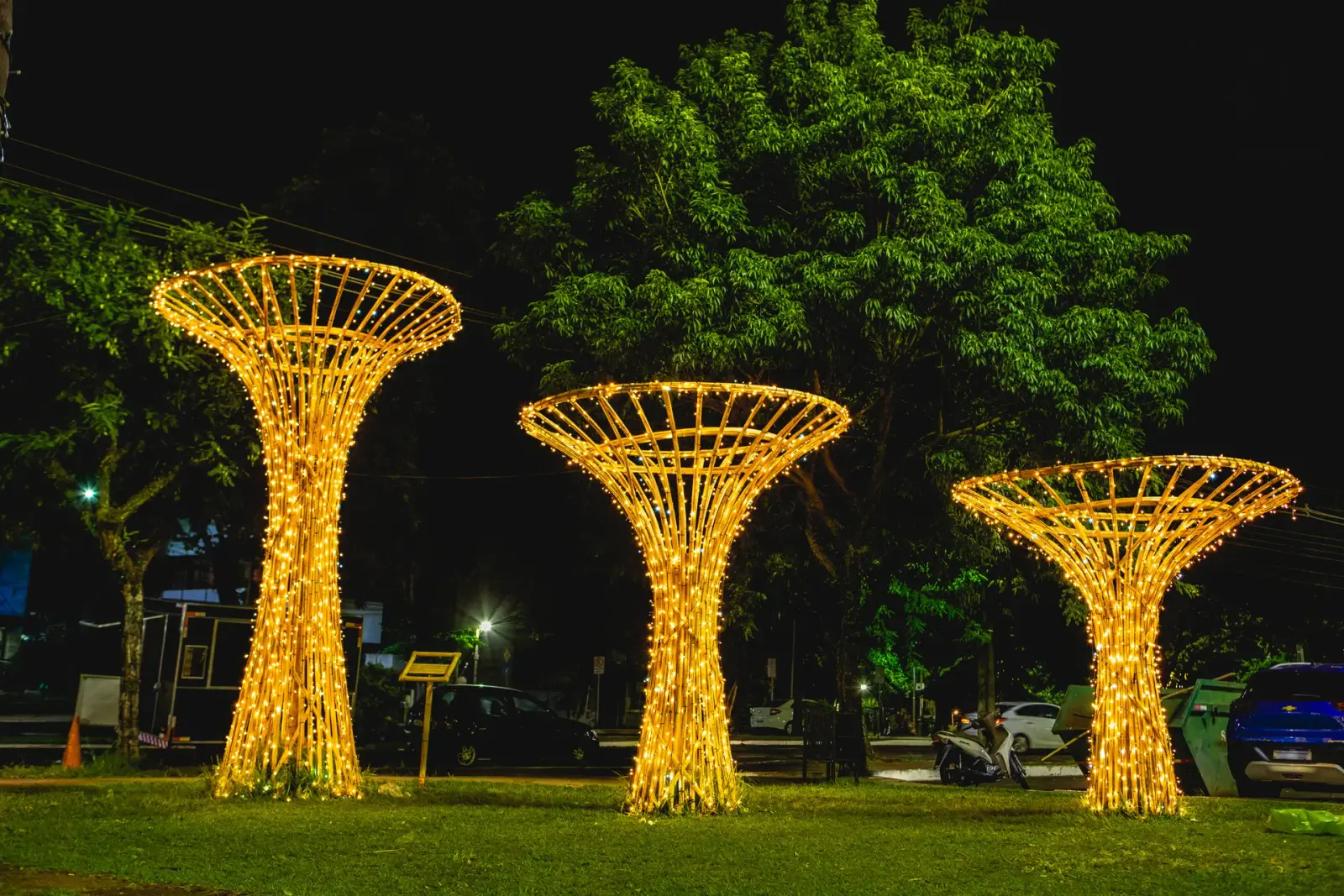
Project Gallery






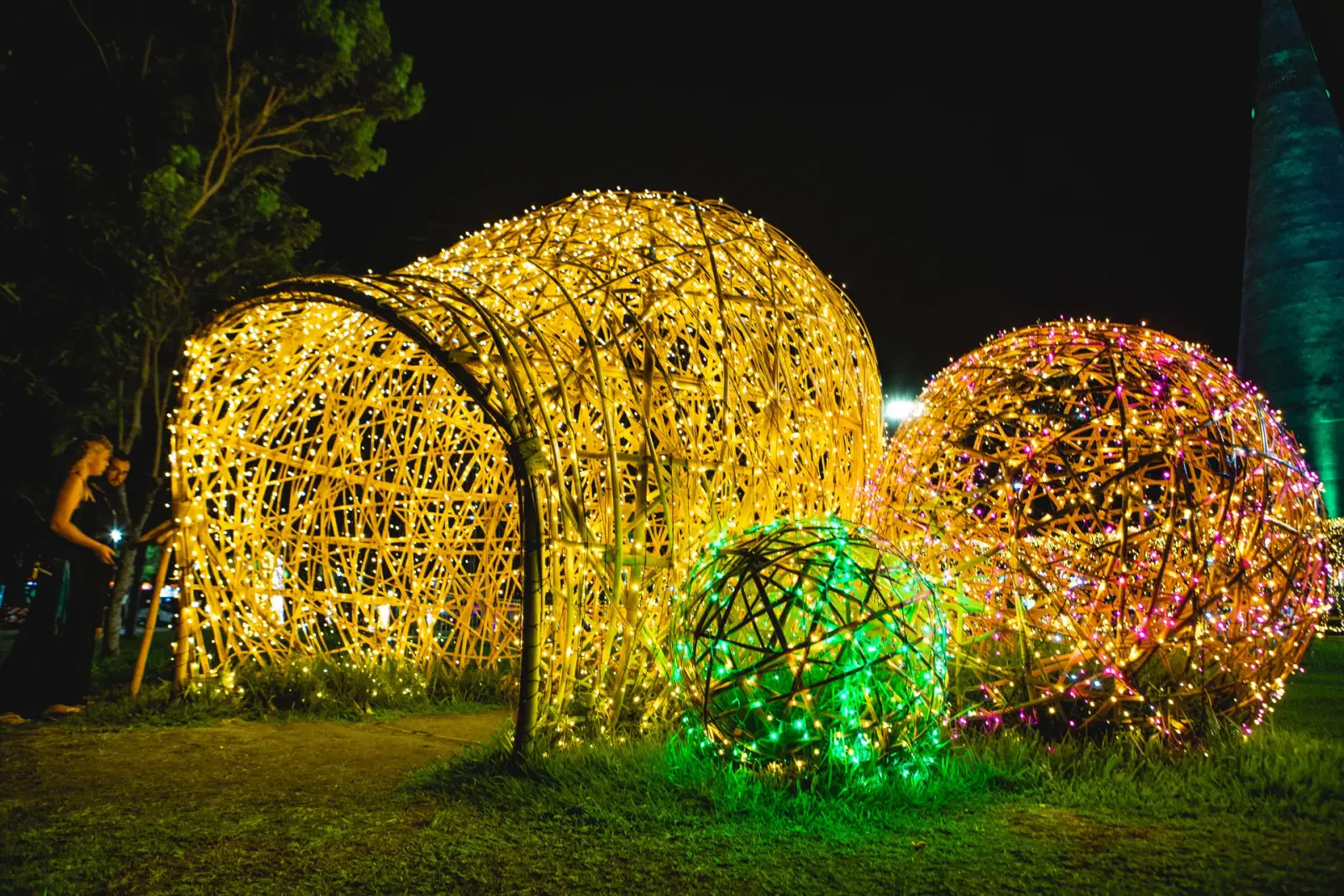
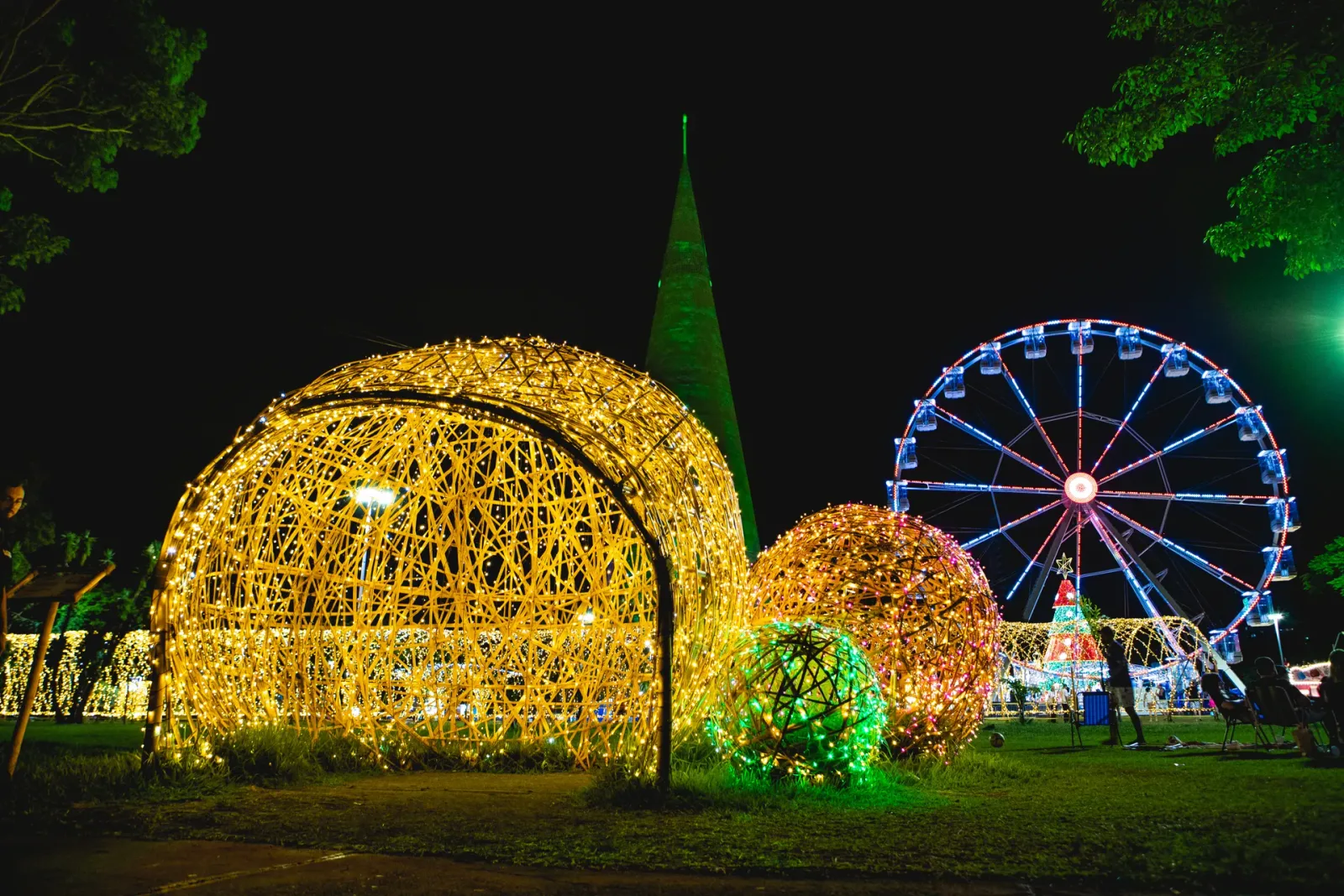
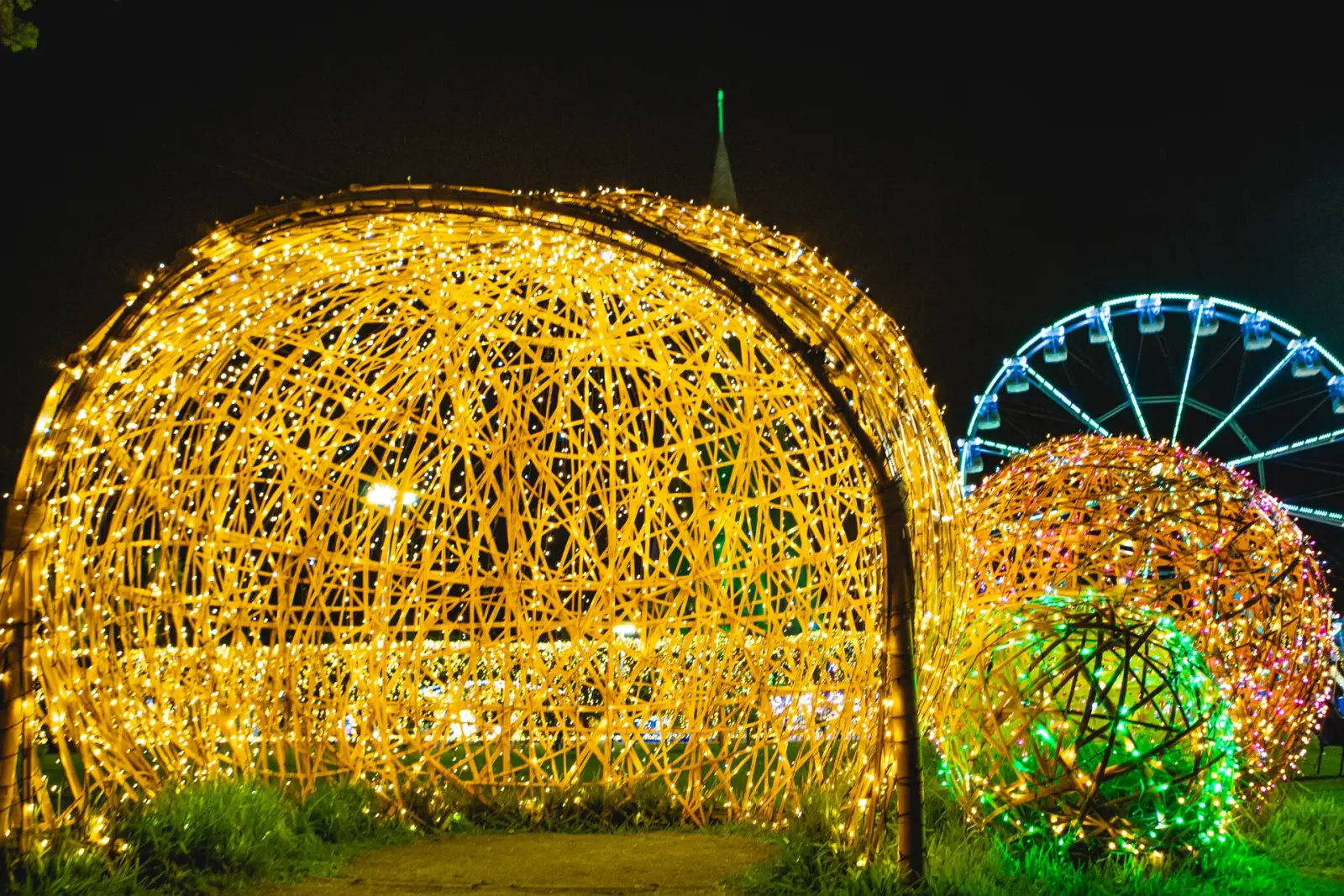
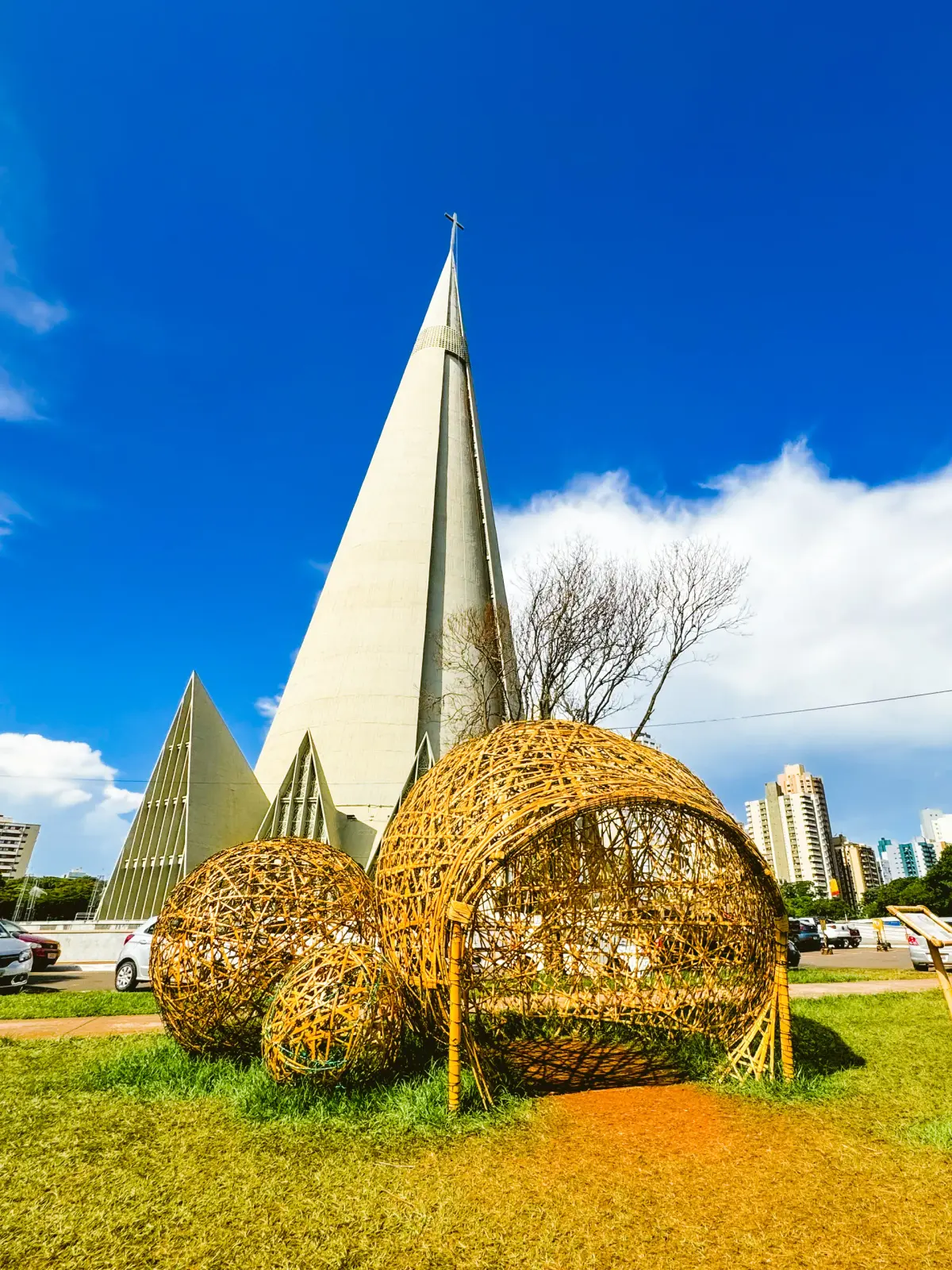
Video
The Project in Video
Maringá Encantada 2023 at Japan Park — bamboo scenography by Bambusa Atelier.
The Project Journey
The Hidden Cost of Steel
Ephemeral architecture (designed to last only for the duration of an event) is one of the most inefficient areas of civil construction. If the Maringá City Hall had opted for the market standard — steel —, the event would have started with intense energy burning in steel furnaces, continued with heavy trucks damaging the asphalt, and ended with the complex demobilization of metals. Steel is recyclable, yes, but recycling it requires more energy, more water, and more emissions. It was necessary to break this cycle.
Nature's "Software"
Bambusa Atelier provided the aesthetic and structural solution: bamboo bioarchitecture. But Tudubambusa knows that "cheering" does not win bids or attract sponsors; data does. An LCA (Life Cycle Assessment) was commissioned by UGREEN. The audit, using the global standard IPCC 2021 and Open LCA, dissected the supply chain.
Solução 1
The Carbon Bank
The result was astonishing. While steel production would demand 117,689 kg of CO2, bamboo arrived at the construction site with a monumental "credit": during its rapid 3 to 5 years of growth, it sequestered -35,564.8 kg of CO2. It was not just a construction material; it was an atmospheric purification technology.
Solução 2
Intelligent End-of-Life
While dismantling and recycling steel is an "energy-intensive" process, bamboo, at the end of its useful life, is biodegradable and can be composted or used as clean biomass, neutralizing the event producer's liability and completing a true cycle of Circular Economy.
The Undeniable Proof
The Results
Bamboo has the advantage of returning to the environment without significant impact. Steel, on the other hand, has a more difficult disassembly, in addition to requiring careful handling when sent for recycling, which in turn will use energy and water to return it to the production chain.
Outcome Indicators
| Indicator | Result Achieved |
|---|---|
| The Great Turnaround (Carbon) | Steel would emit 267,214 kg. Bamboo ended with a negative footprint of -27,822 kg. |
| Total Emissions Avoided | The project sequestered 295 tonnes of CO2 eq that would have gone into the atmosphere. |
| Vehicle Equivalence | Equivalent to taking a car that has driven 1,175,000 km off the streets. |
| End-of-Life Logistics | 100% biodegradability upon dismantling versus energy-intensive recycling. |
Documento
Project Report
Field Intelligence
What We Learned
The Maringá ephemeral architecture case study forged fundamental lessons about the event lifecycle:
End-of-Life Dictates Event Feasibility: The biggest lesson from this case study is that the cost of an event doesn't end when the lights go out. Steel disassembly is slow, dangerous, and expensive. Bamboo allows for quick disassembly, and its disposal is not "waste"; it's biomass. It can be composted or used as clean energy, zeroing out the event producer's liability.
The Freight Myth Debunked by Data: The report dismantled the market's biggest objection: "freight negates the ecological benefit." False. The audit showed that upstream transportation (to the factory) cost 1,246 kg of CO2, and freight from the factory to Maringá only 18.9 kg of CO2. Compared to the sequestration of over 35,000 kg by the plant, logistics represents a drop in the ocean of environmental benefit.
Steel Siphons Water; Bamboo Preserves It: While the debate focuses on carbon, UGREEN highlighted that mining, cooling, and washing in the steel industry demand alarming volumes of potable water. In times of water crisis, choosing bamboo for events is a direct policy of preserving essential resources.
Perguntas Frequentes sobre este Projeto
Next Step
Turn This Intelligence Into Action
Do you organize large events, fairs, or ephemeral projects and are you tired of the brutal cost and waste of traditional assembly? Schedule a Strategic Session and discover the engineering of modular bio-architecture.
Schedule an AssessmentDo you want to master the construction processes that allow transforming bamboo into large-scale infrastructure with factory precision? Join the Tudubambusa Academy waiting list.
Talk to Engineering