
The Scenography that Breathes: How We Avoided 103 Tons of Carbon in Brazil's Largest Ecotourism Hub
This case study proved that mega-events in global tourist destinations do not have to be an environmental aggression. With data engineering, we transformed what would have been 25 tons of polluting steel into a natural carbon sink in the heart of Foz do Iguaçu.
Project Context
Technical Sheet
Client
Foz do Iguaçu City, PR (Mitre Square)
Partner(s)
Bambusa Atelier, D'Terra Environmental Projects and Solutions
Location
Foz do Iguaçu, PR
Execution
Tudubambusa — Methodology and Leadership
Scope
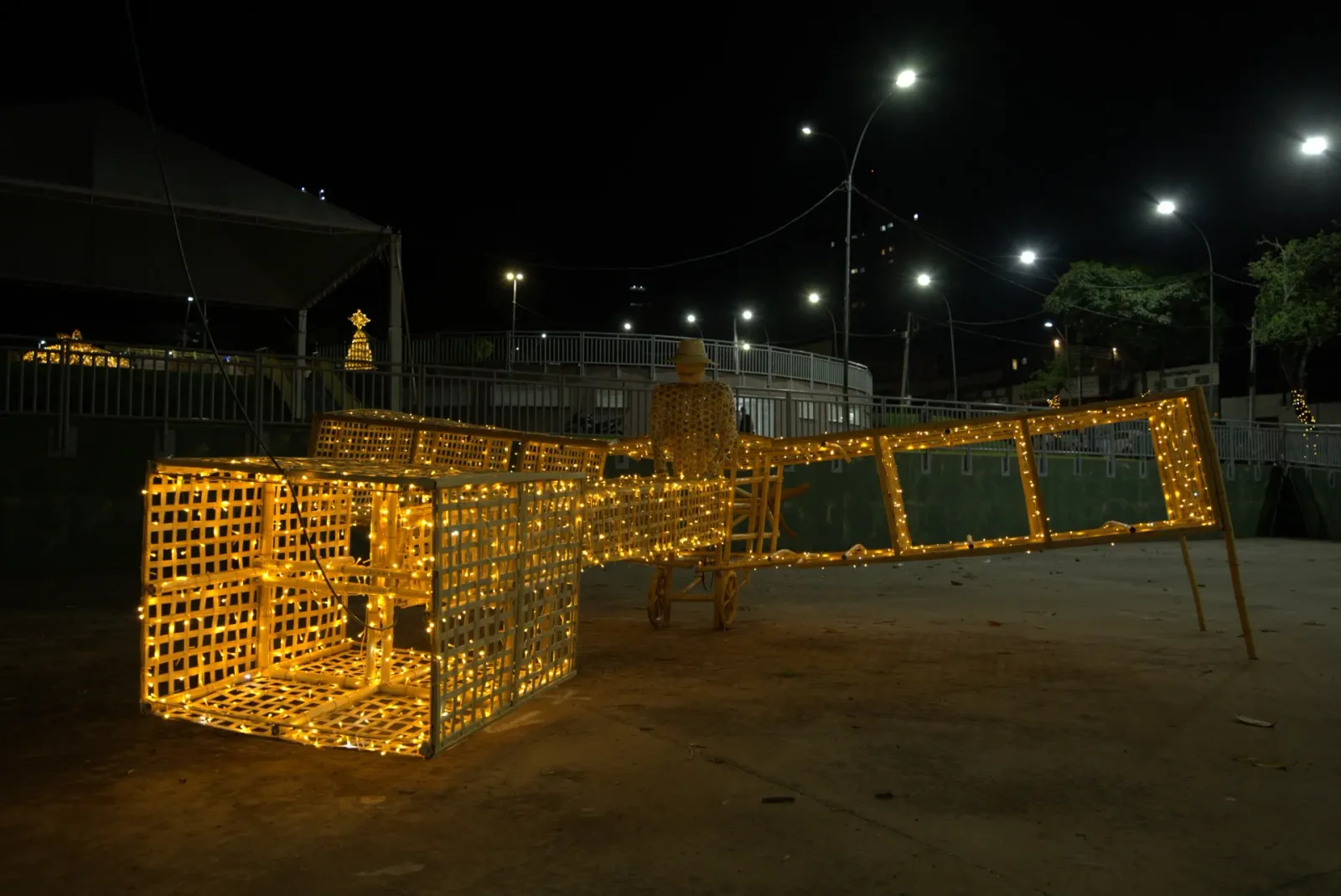
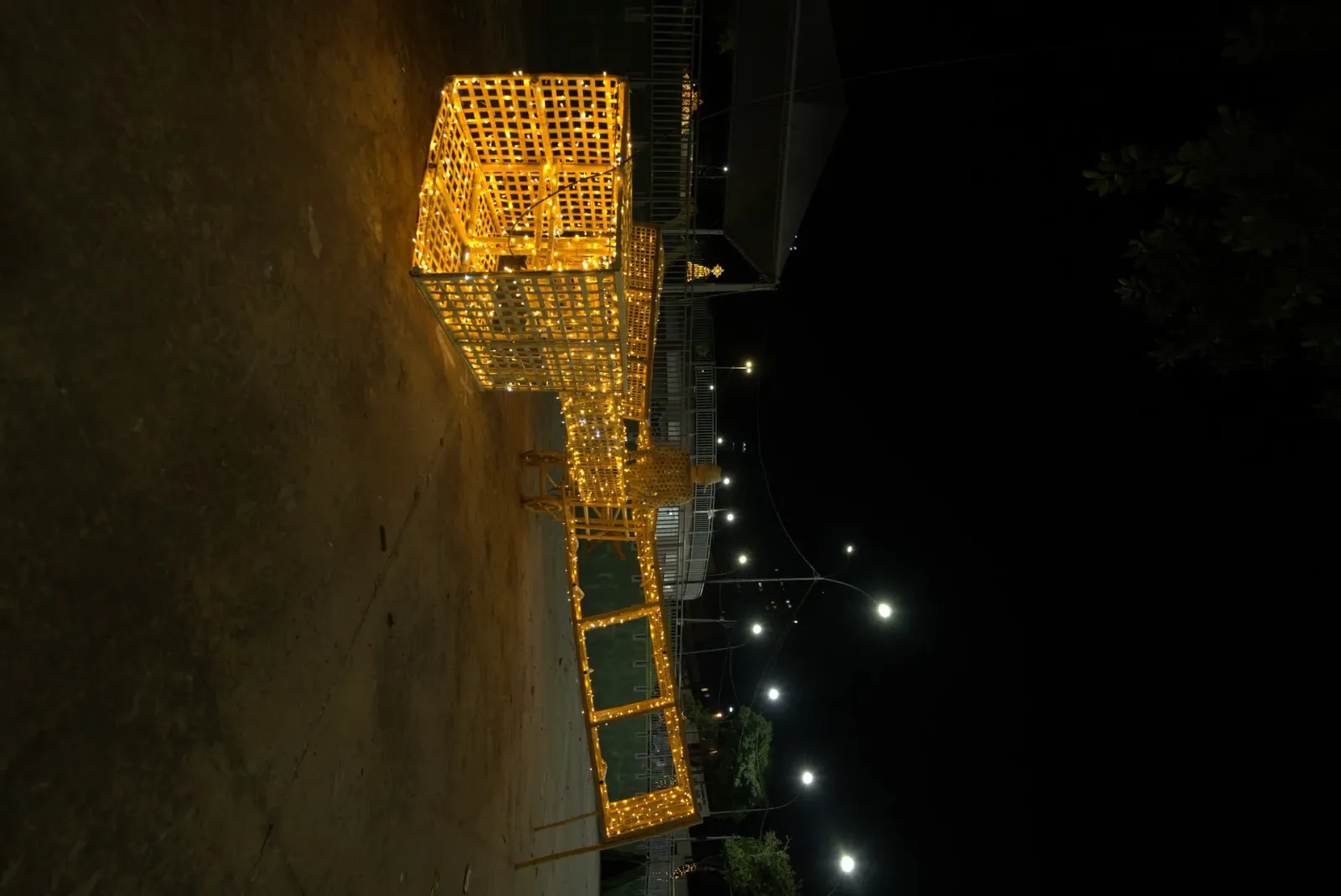
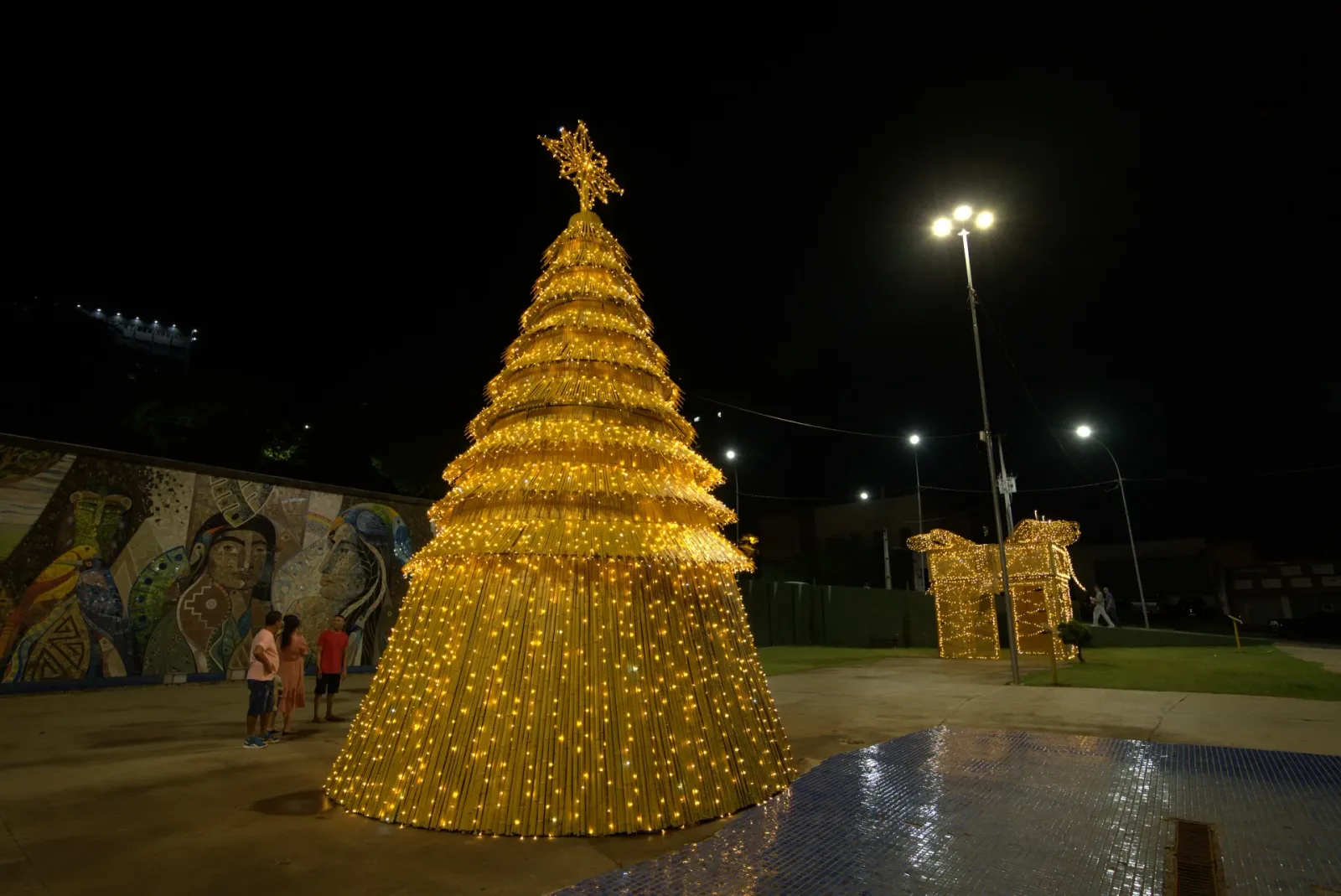
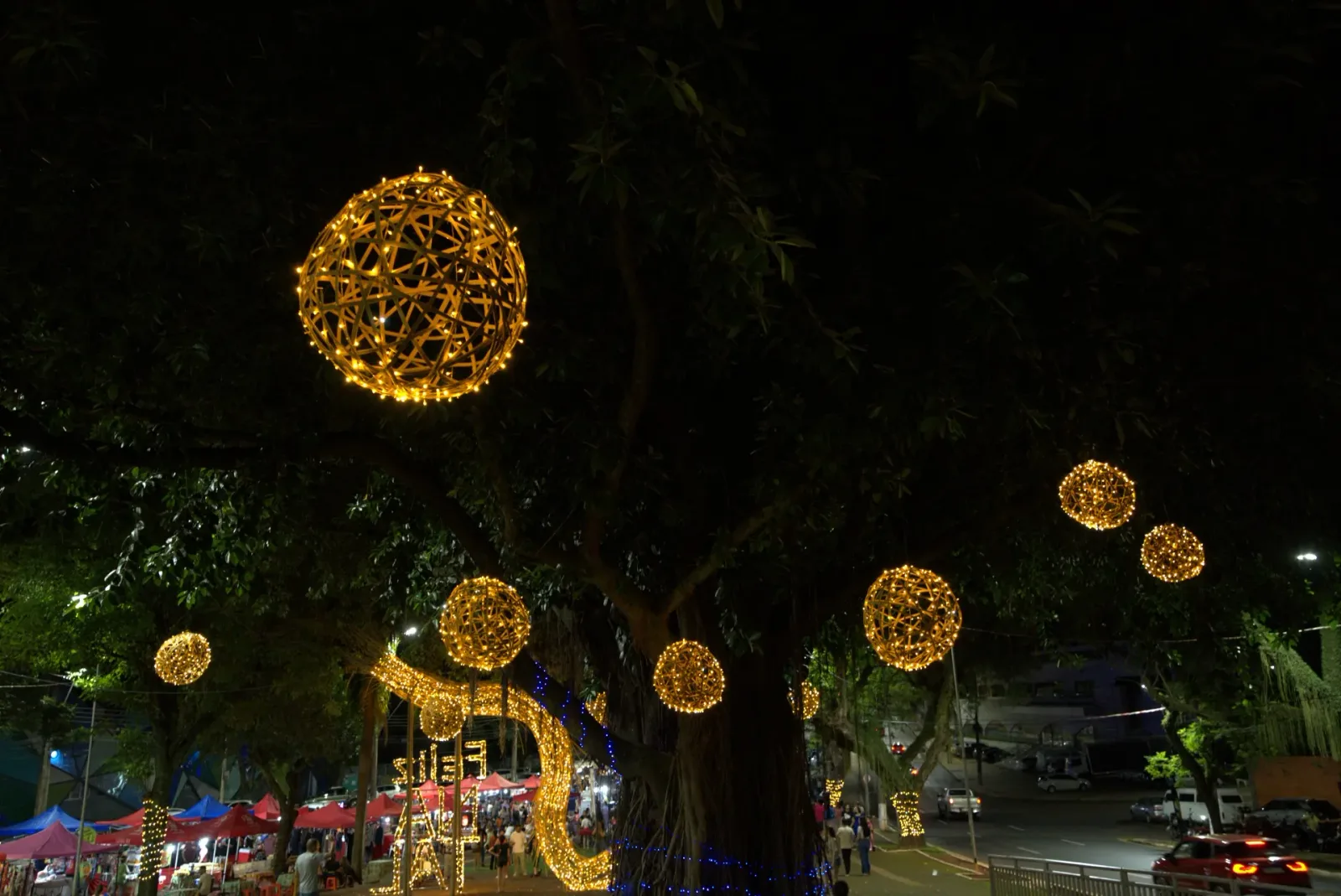
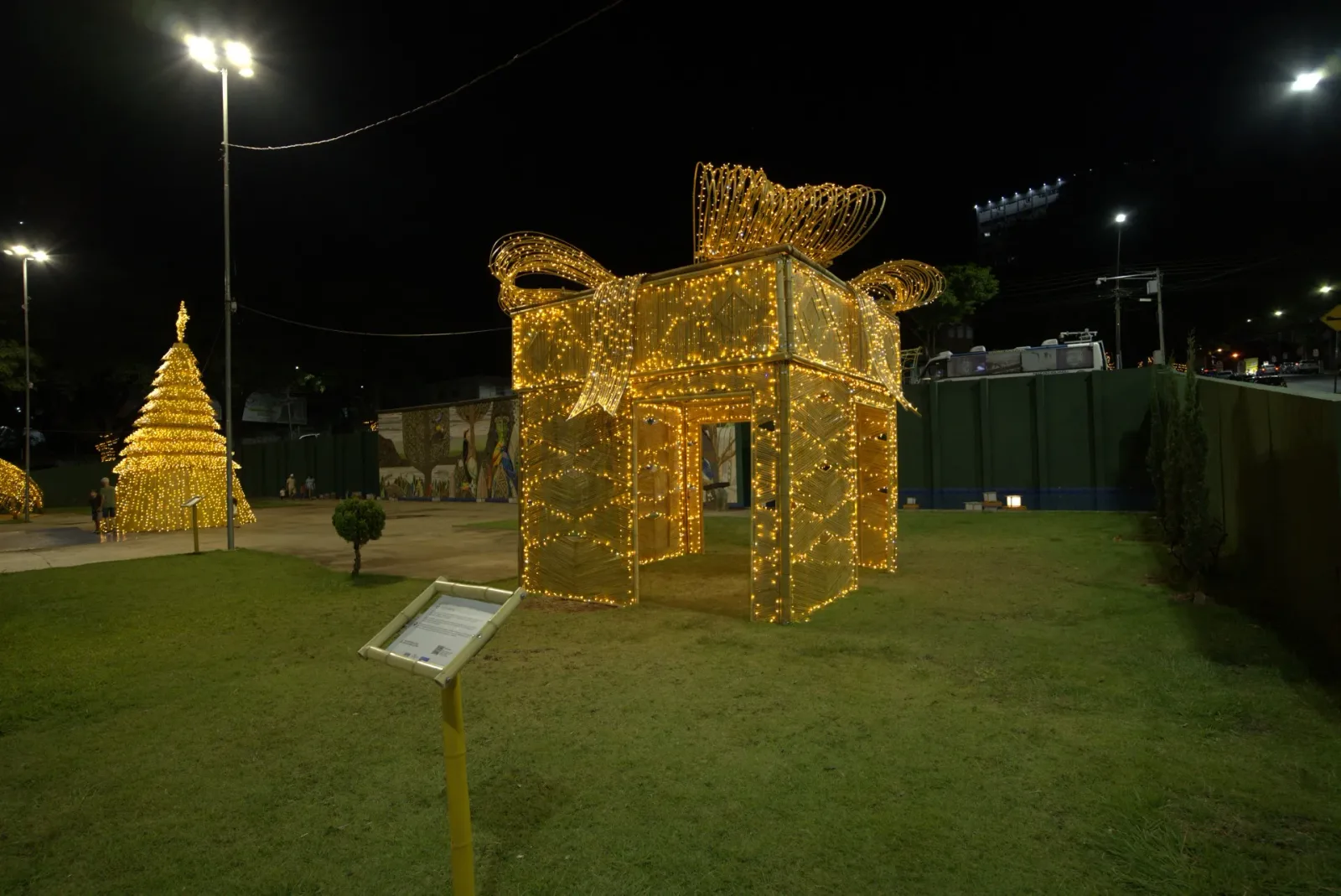
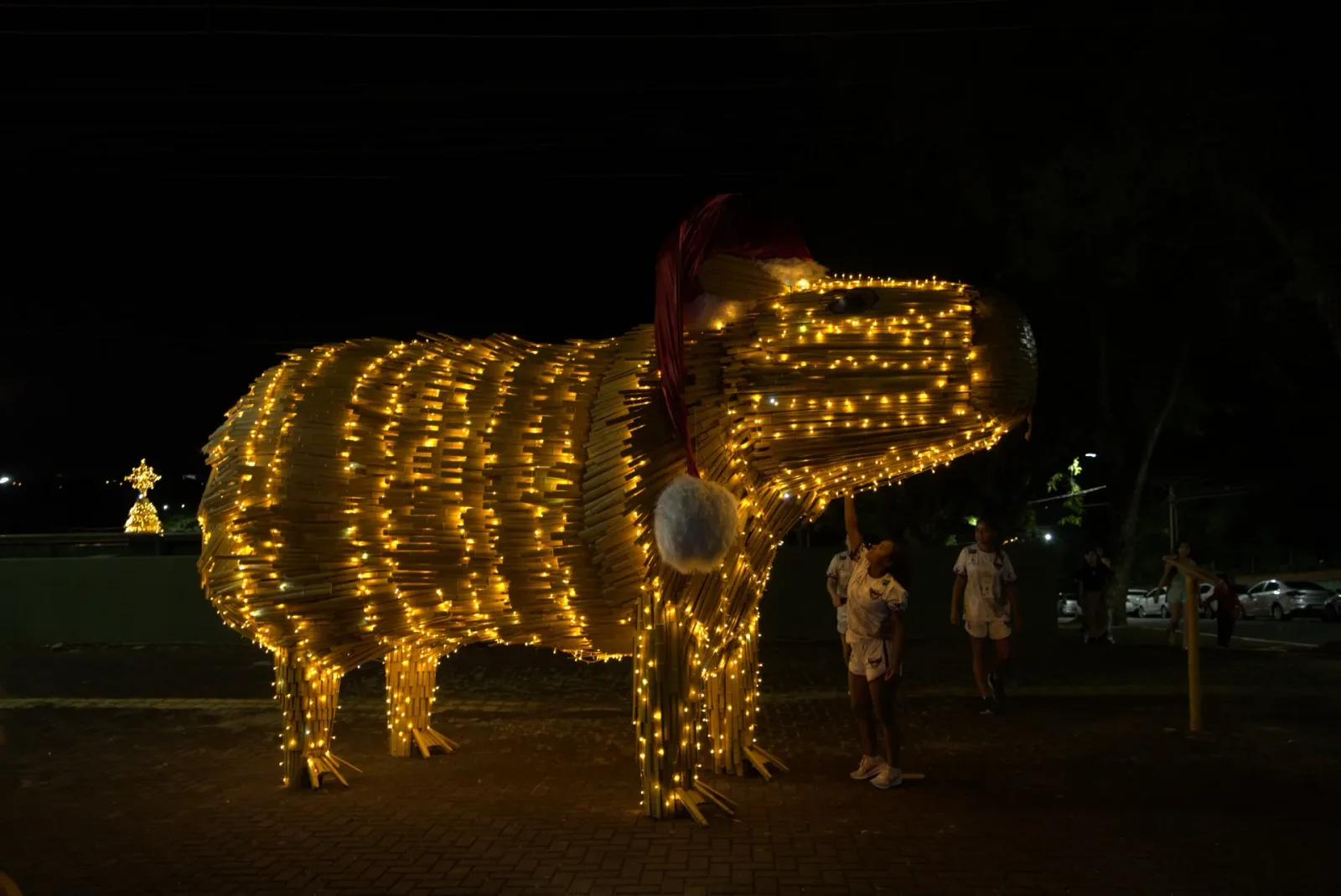
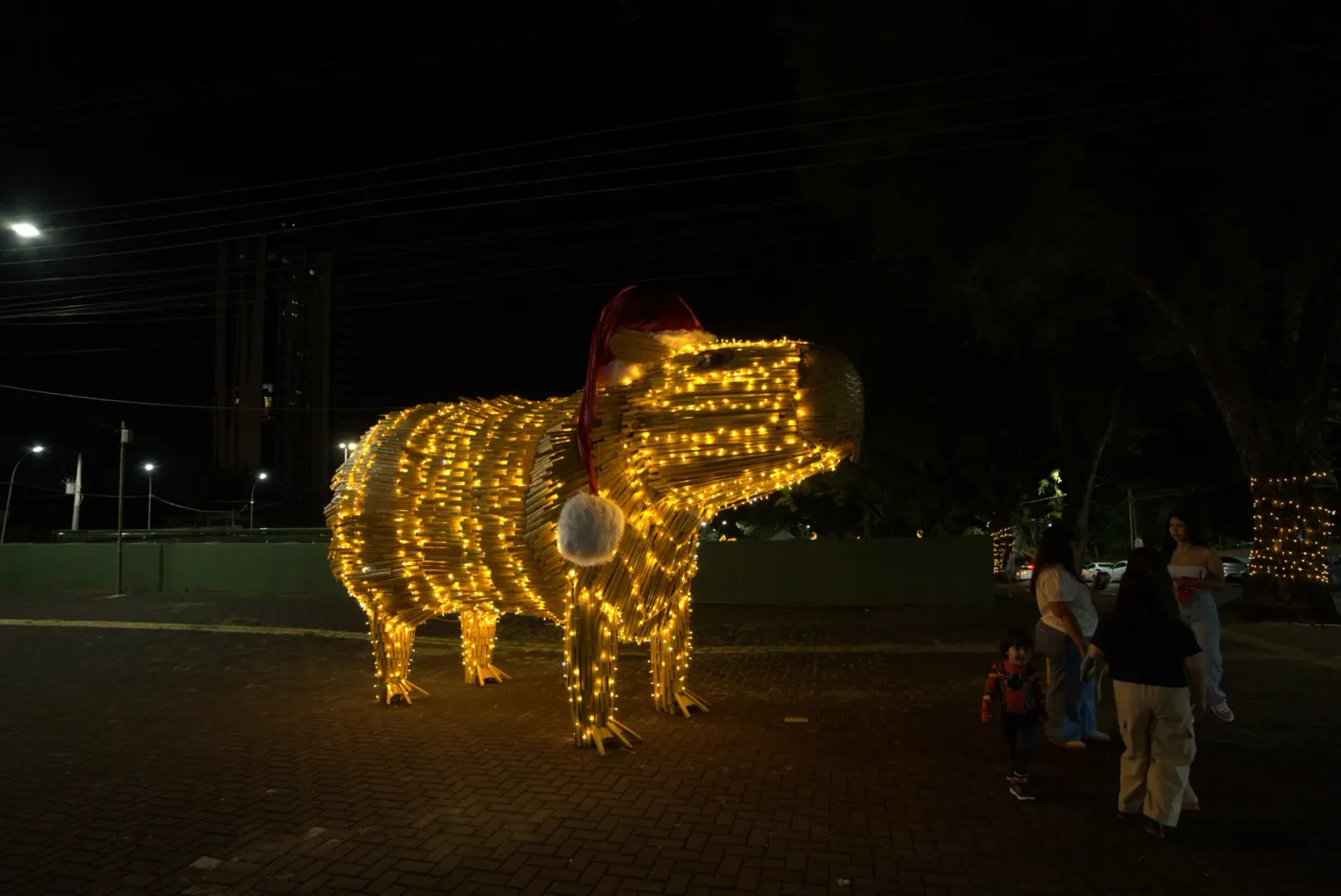
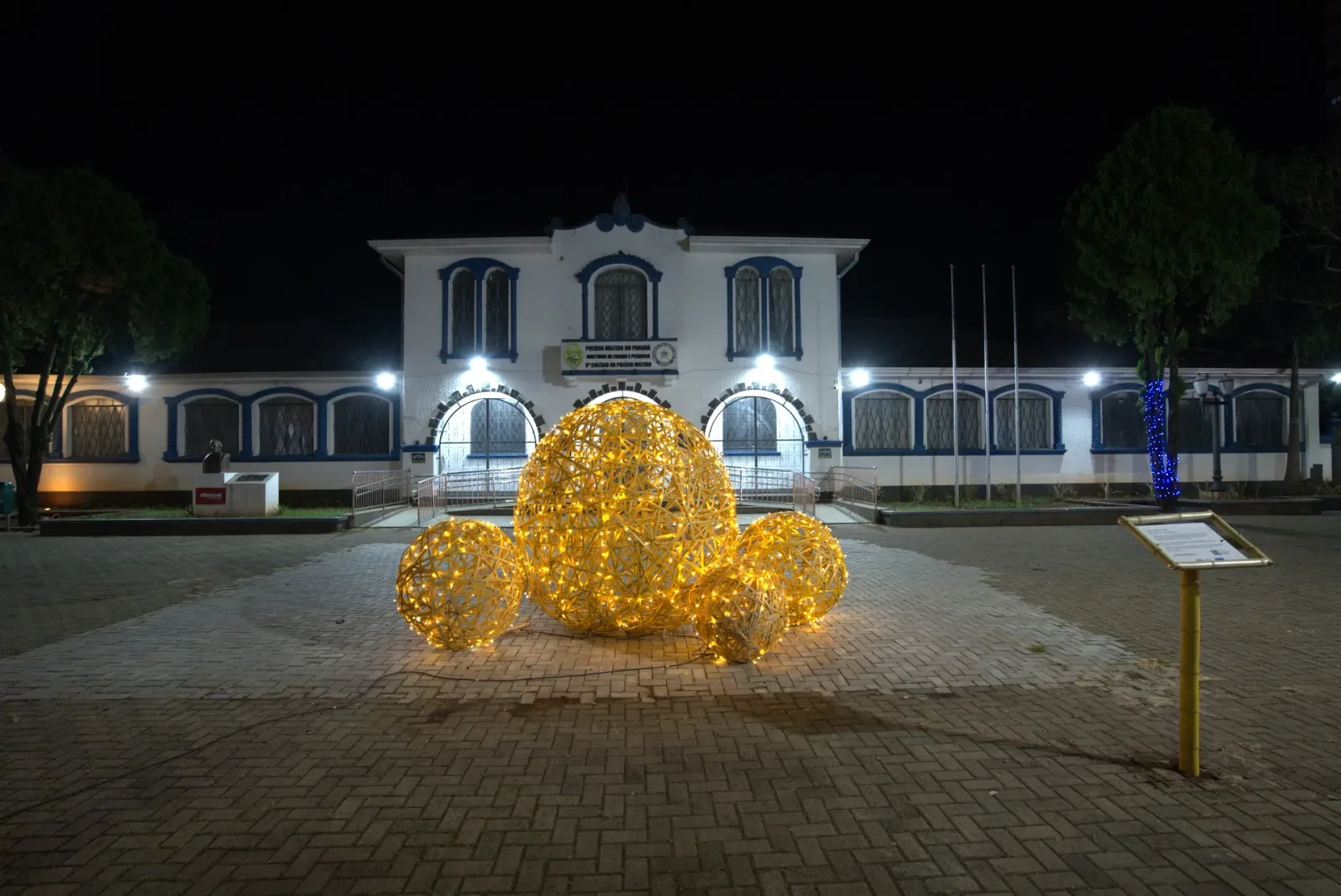
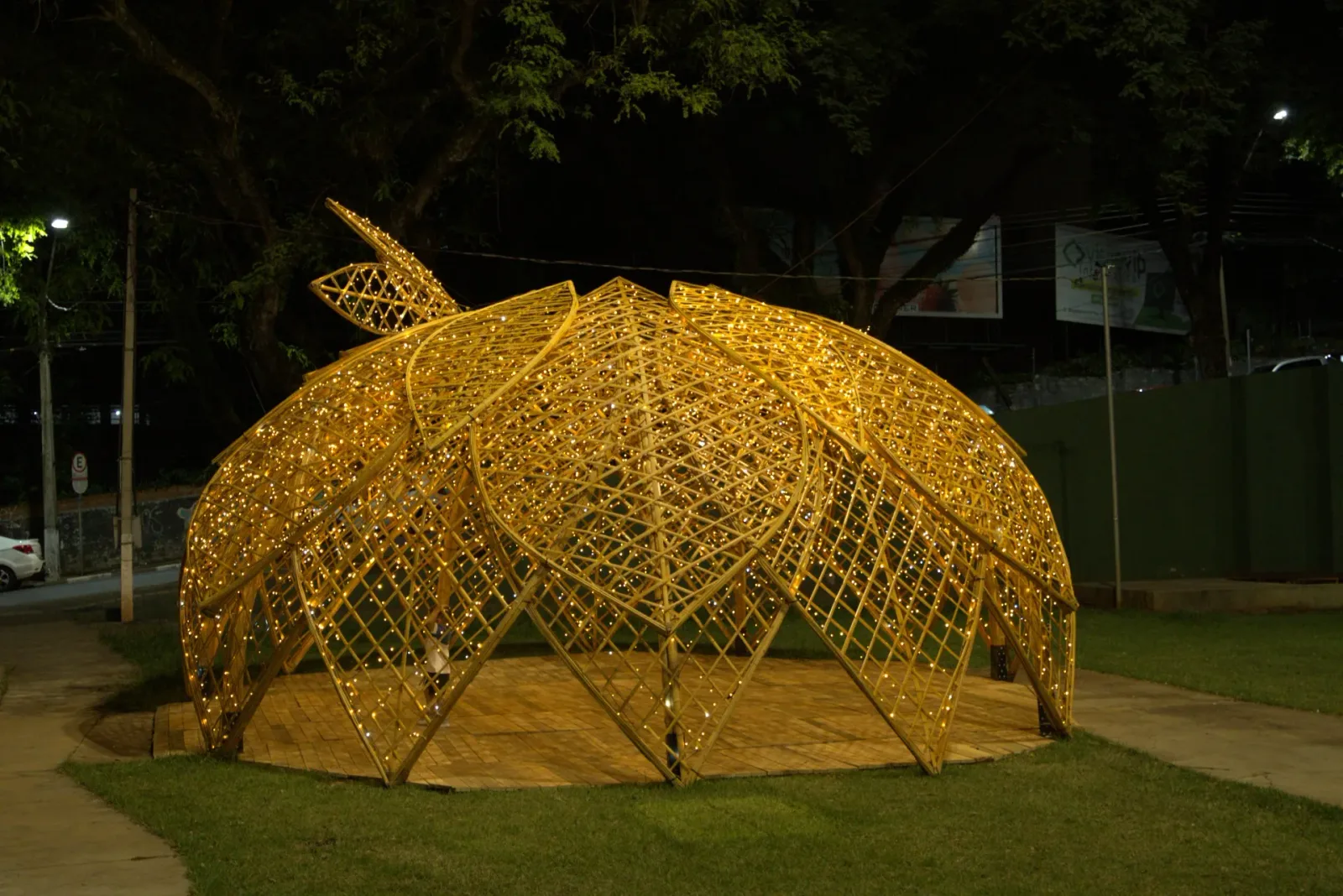
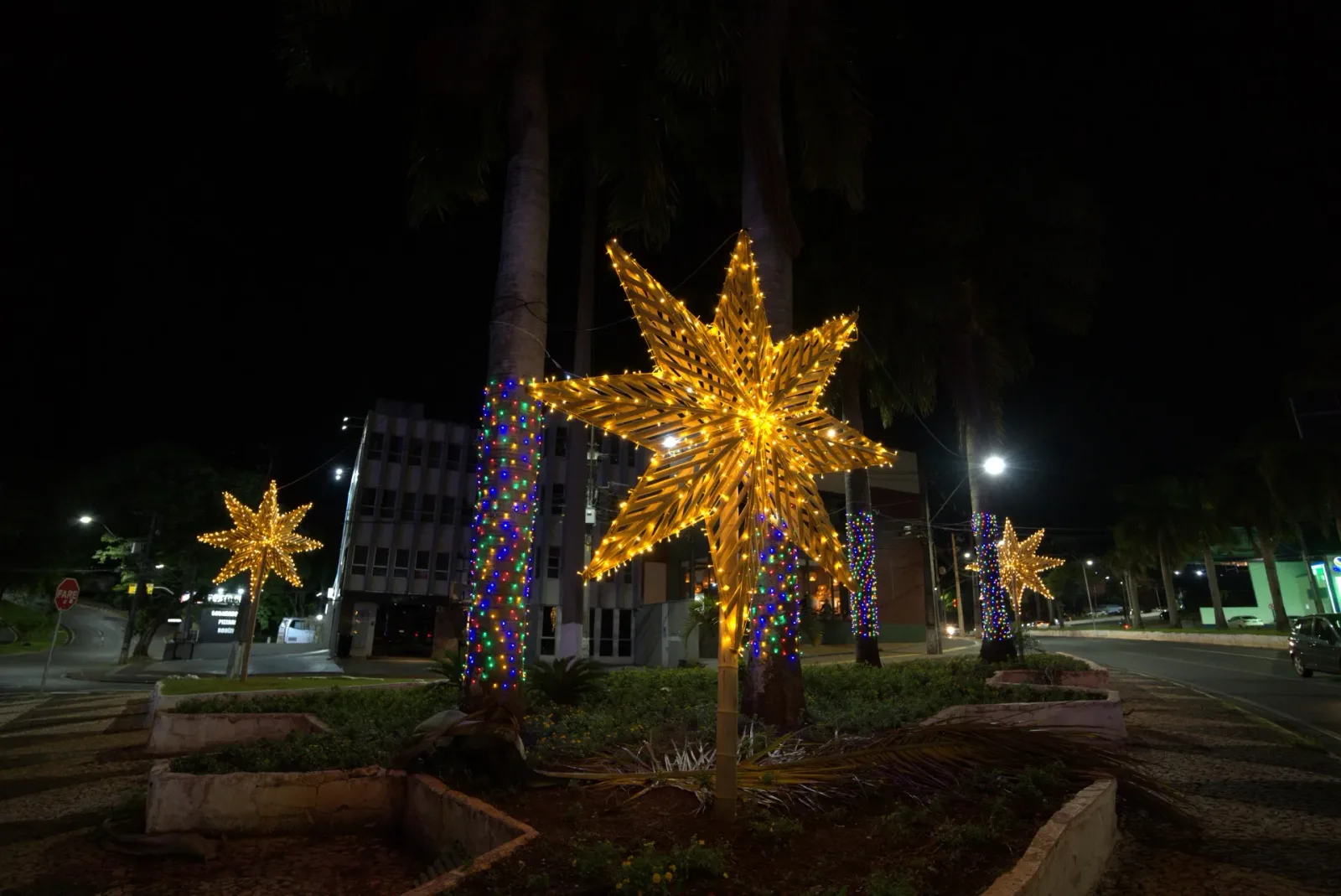
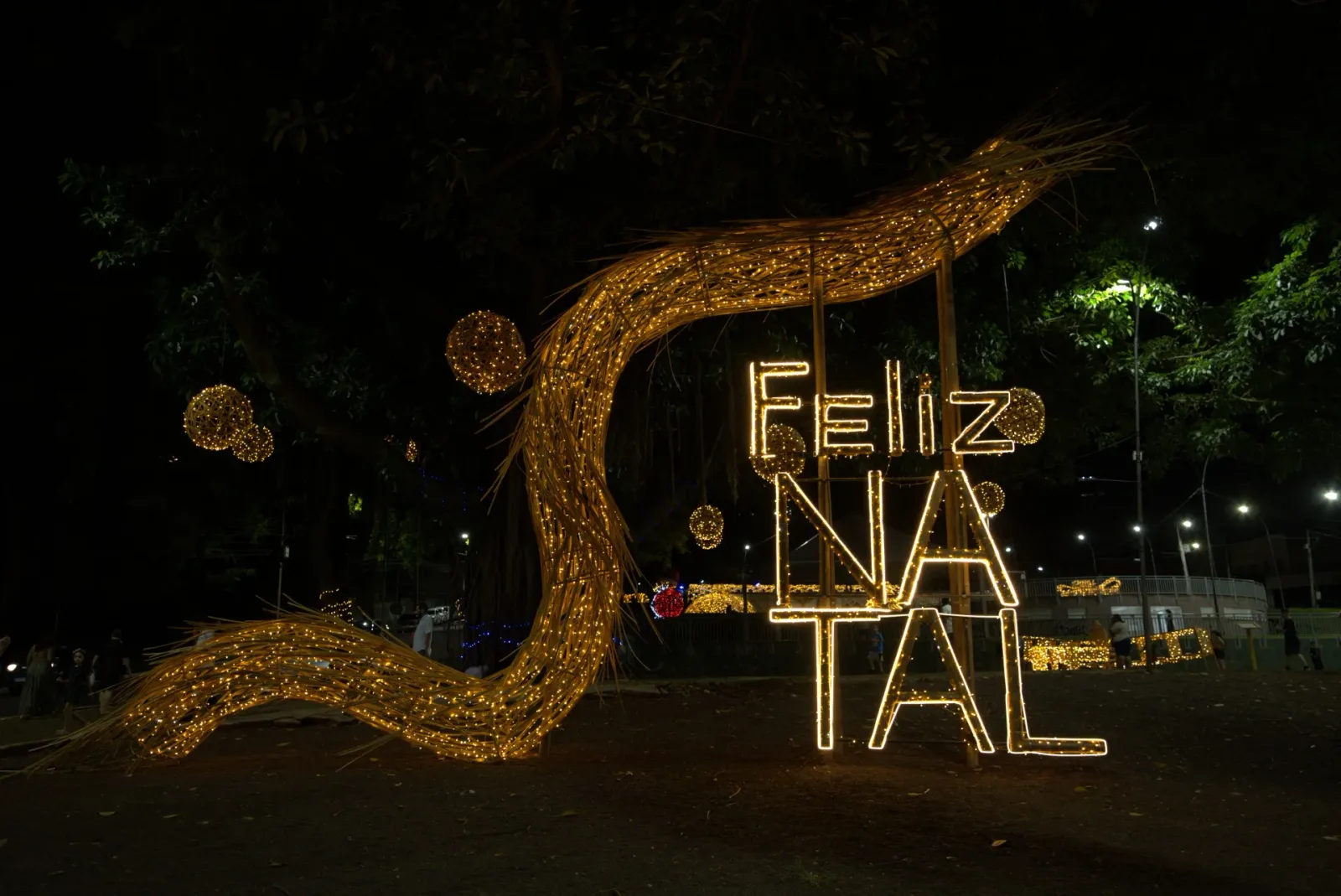
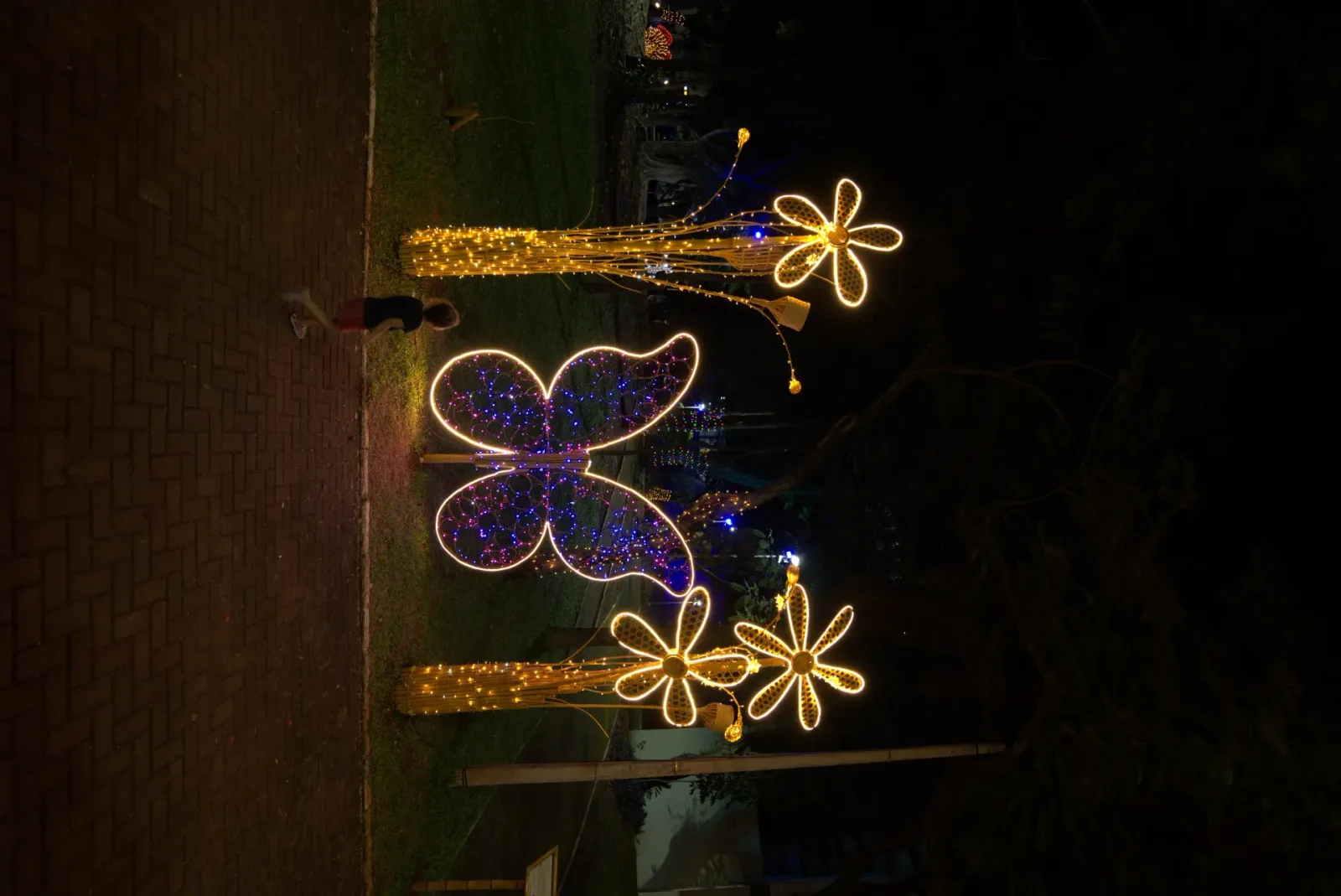
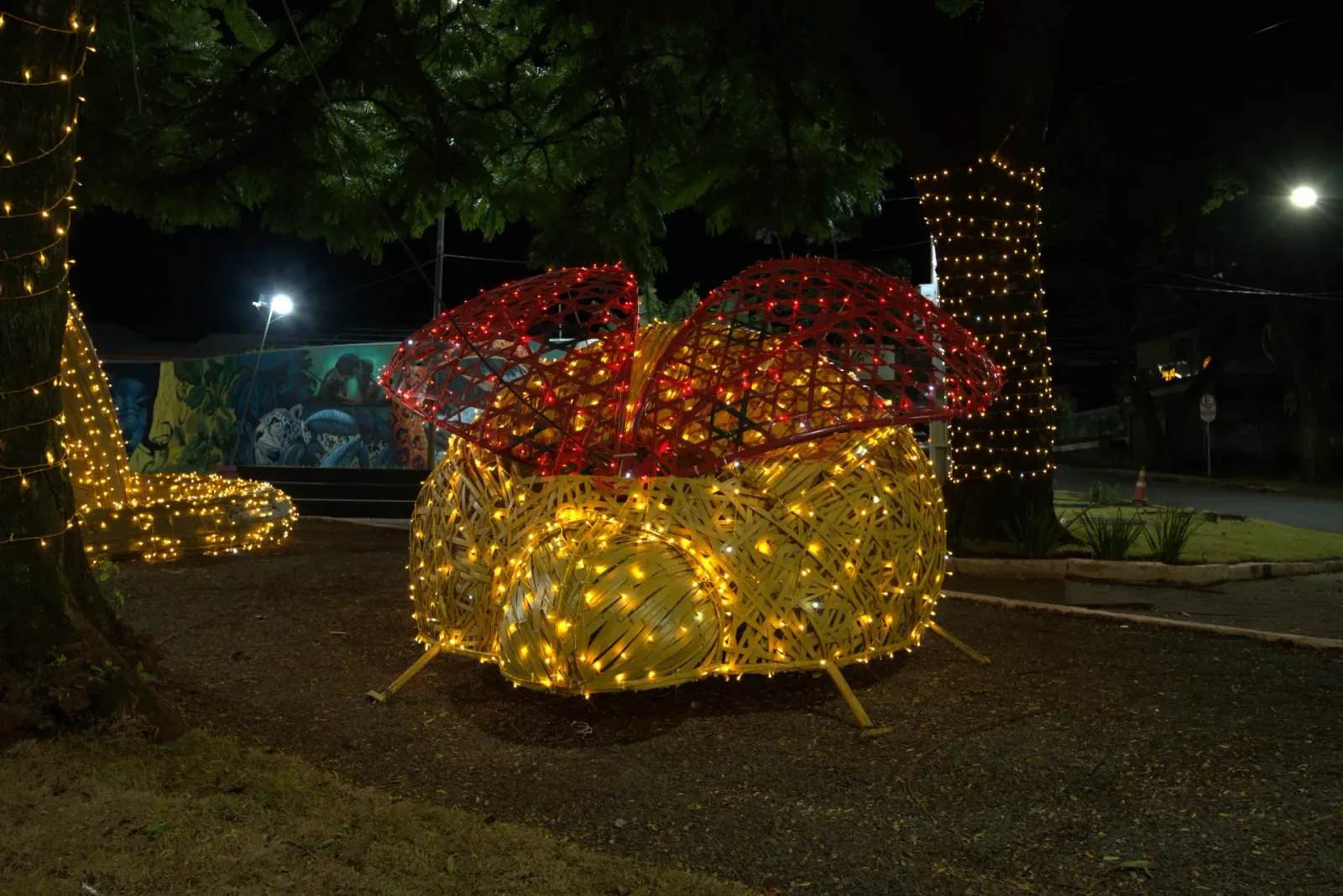
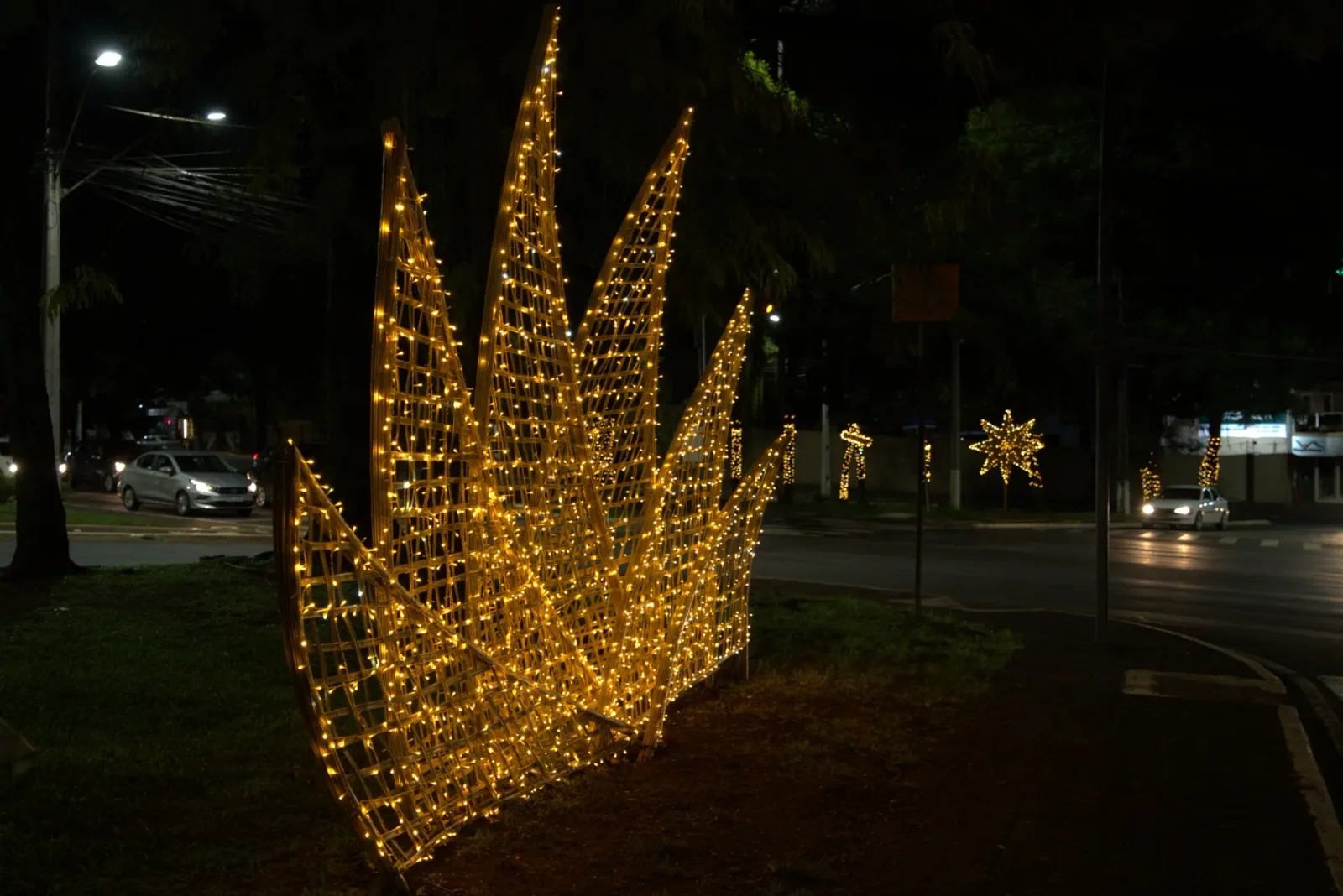
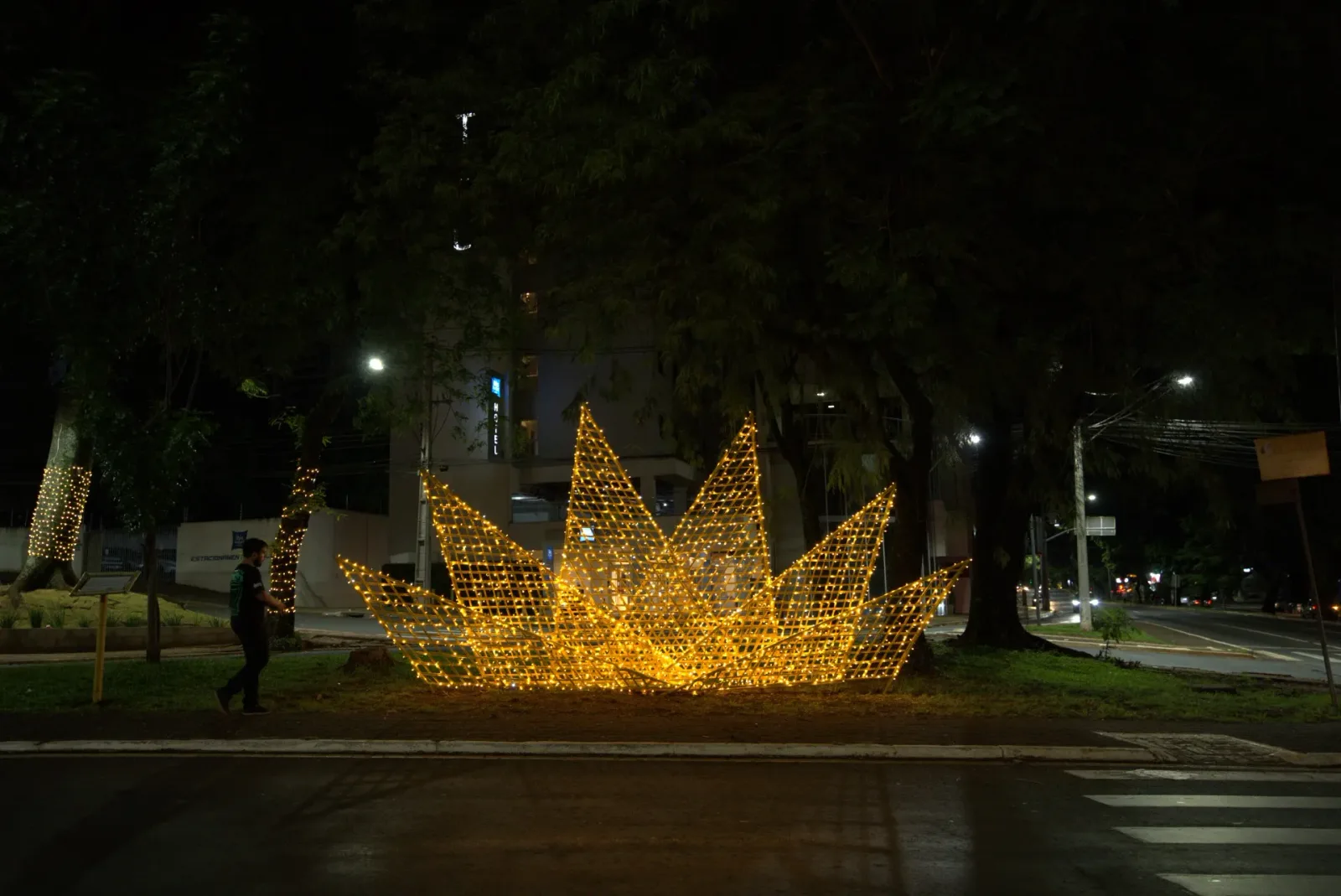
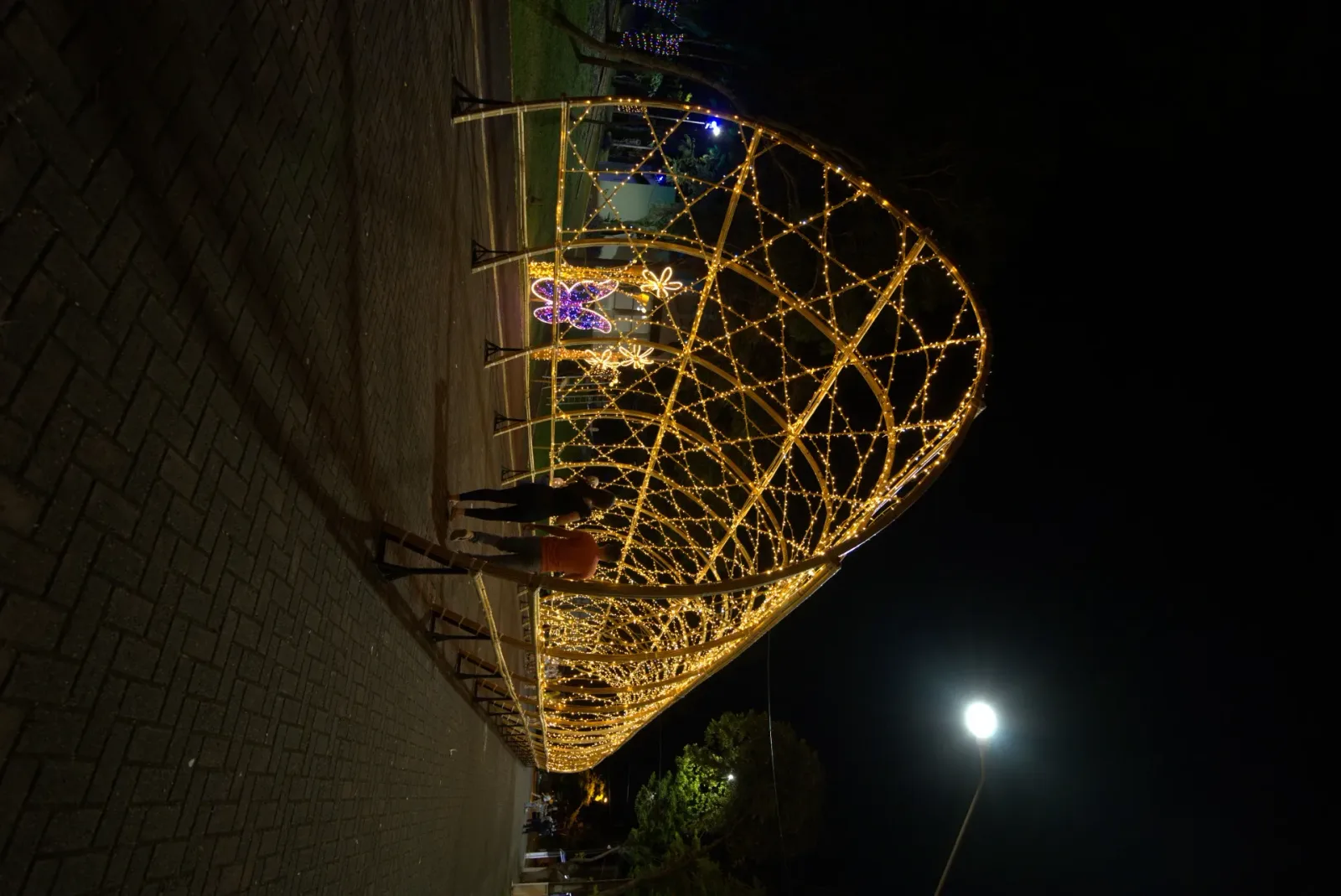
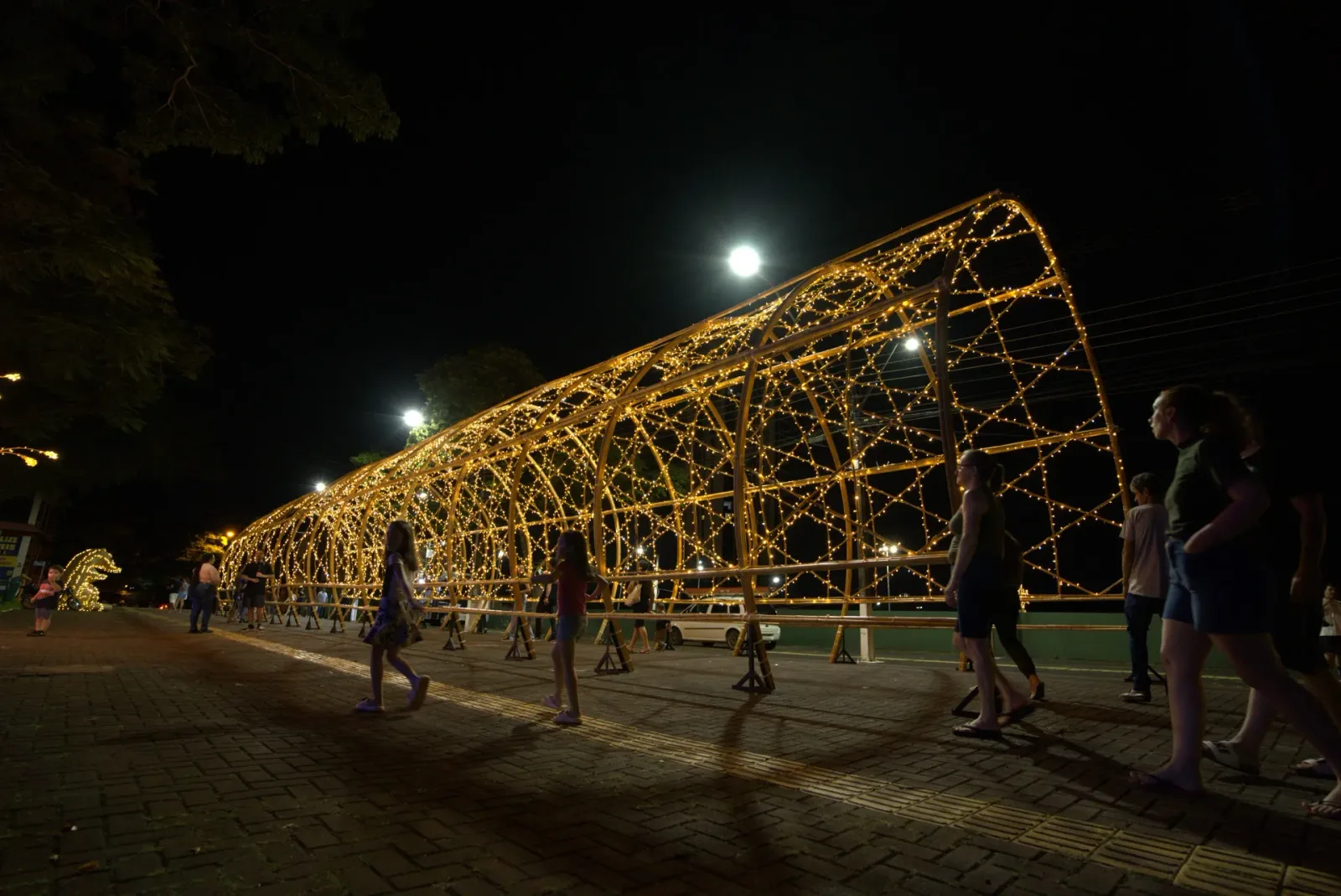
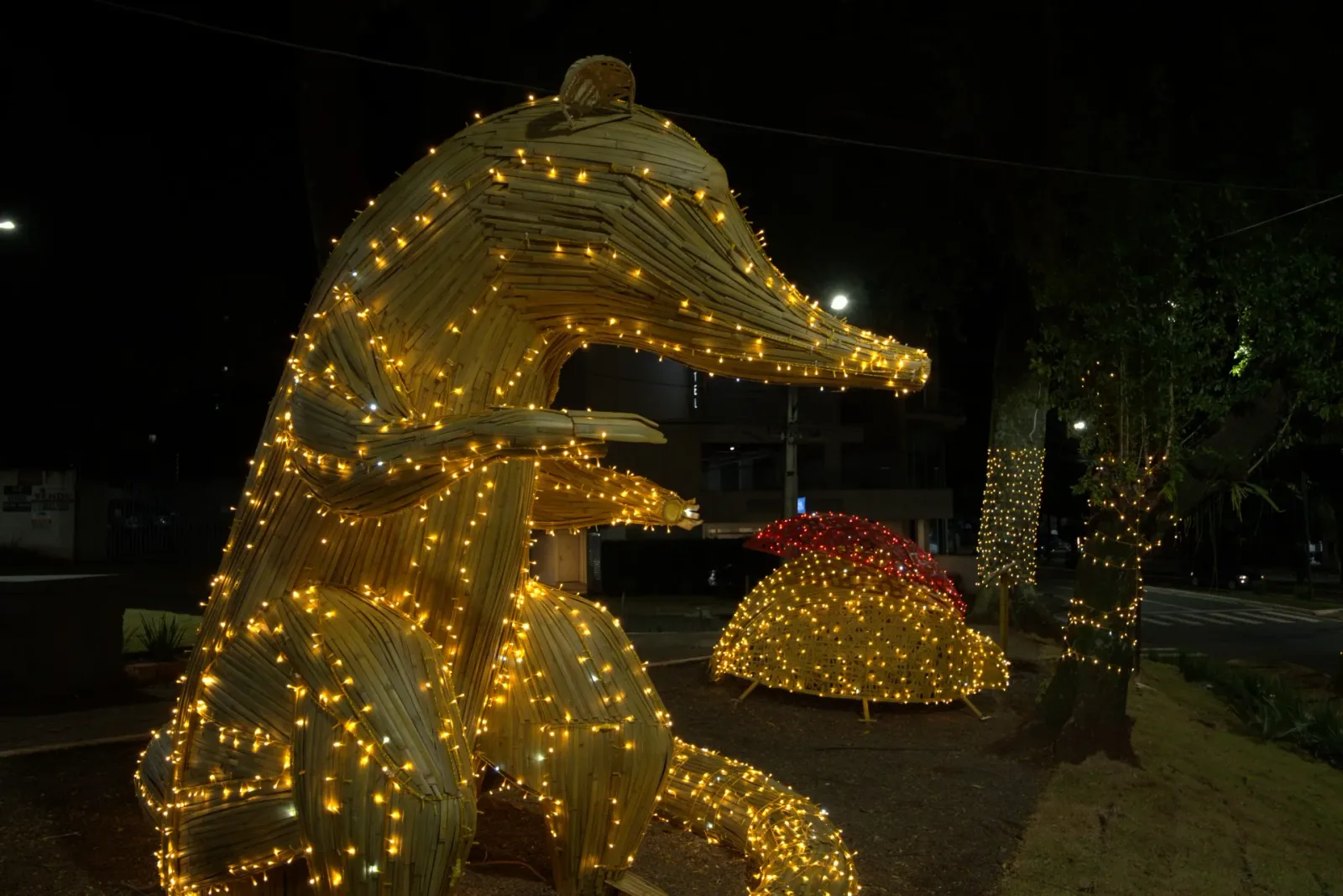
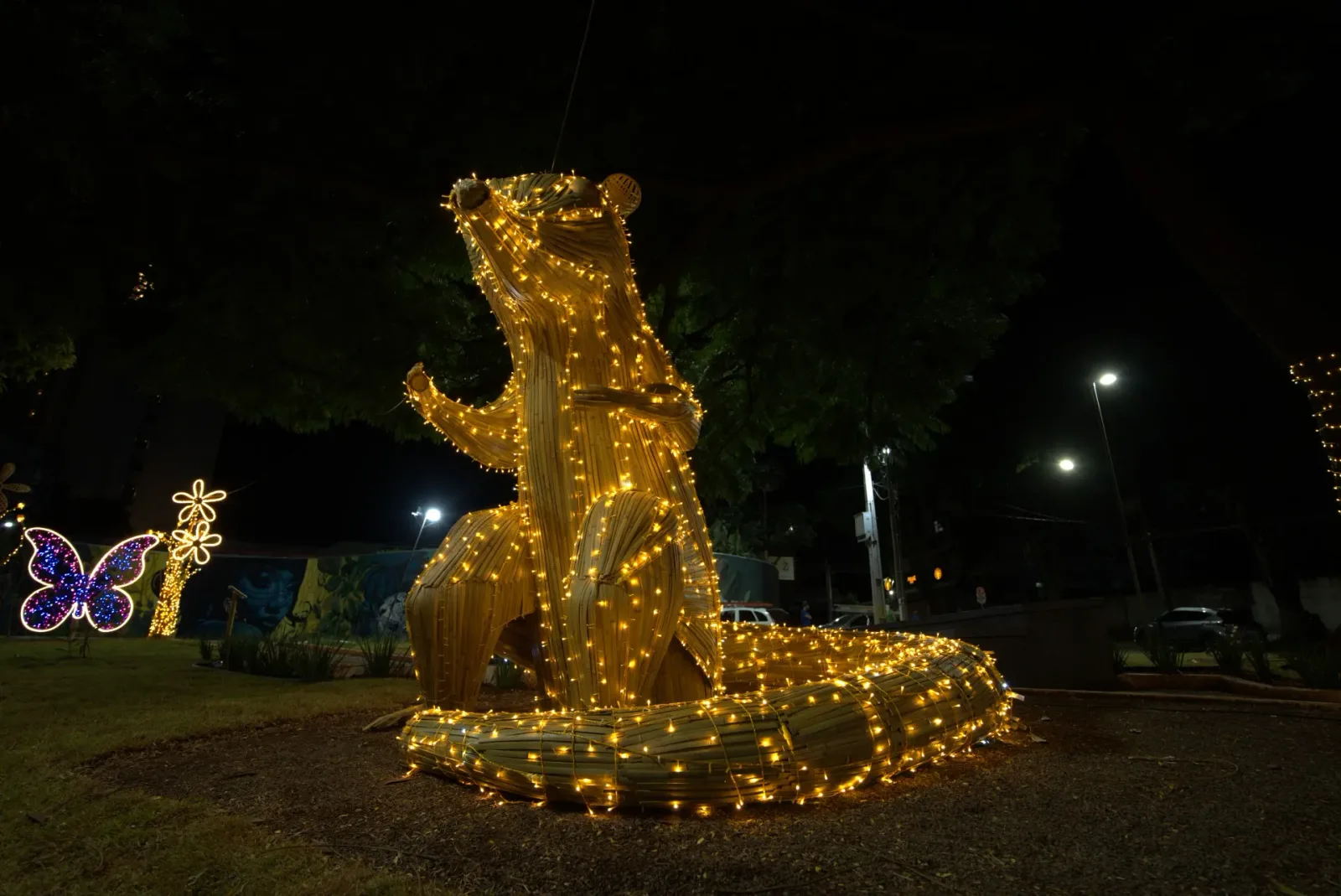
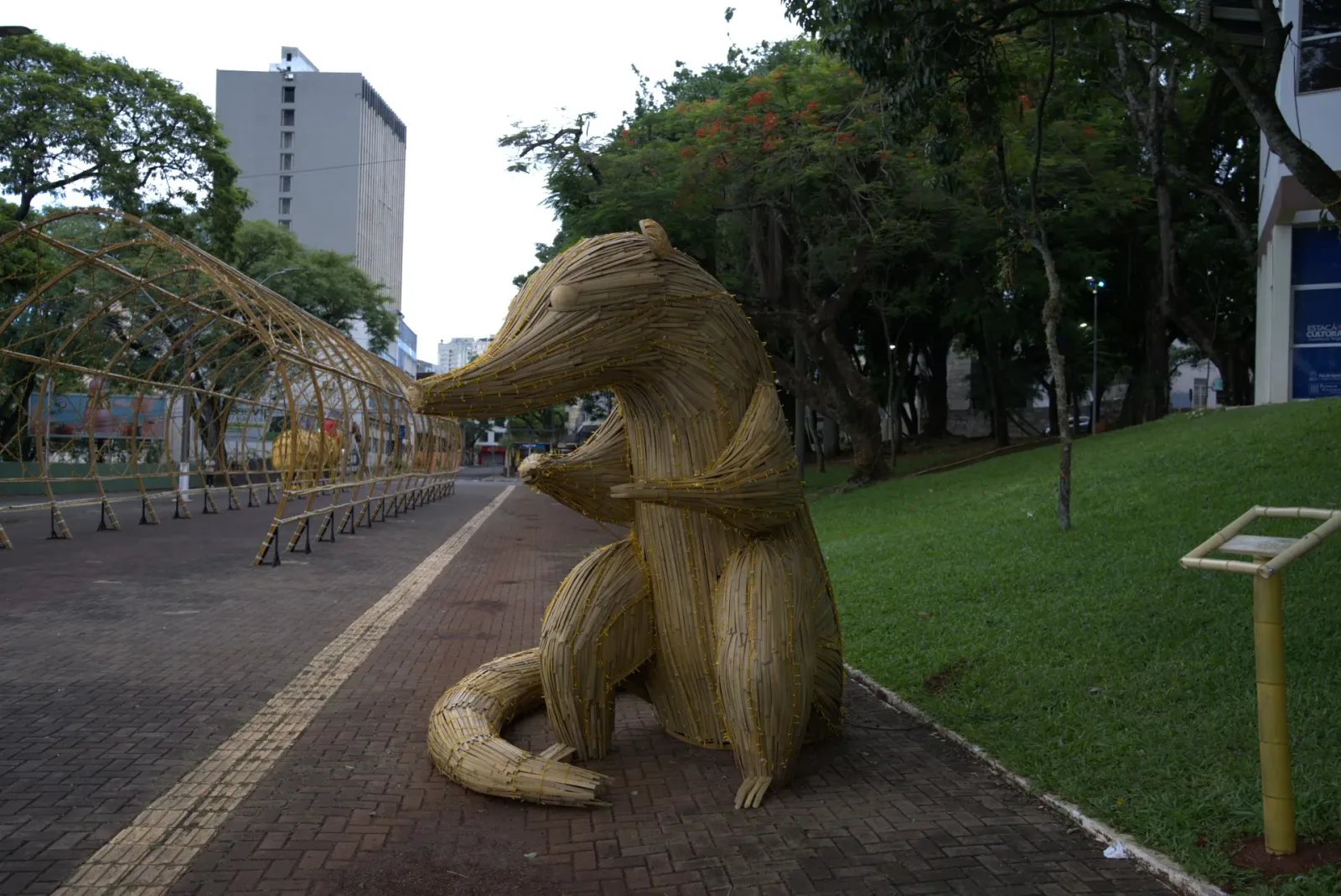
Design, manufacturing, and assembly of large-scale scenographic infrastructure for Christmas 2025.
The Core Challenge
How can a city that is a global showcase of nature (Iguaçu Falls) justify the intensive use of highly polluting materials in its festivities? How can the visual impact required by a mega-event be aligned with the global urgency for coherence and sustainability in the tourism sector?
Visual Record
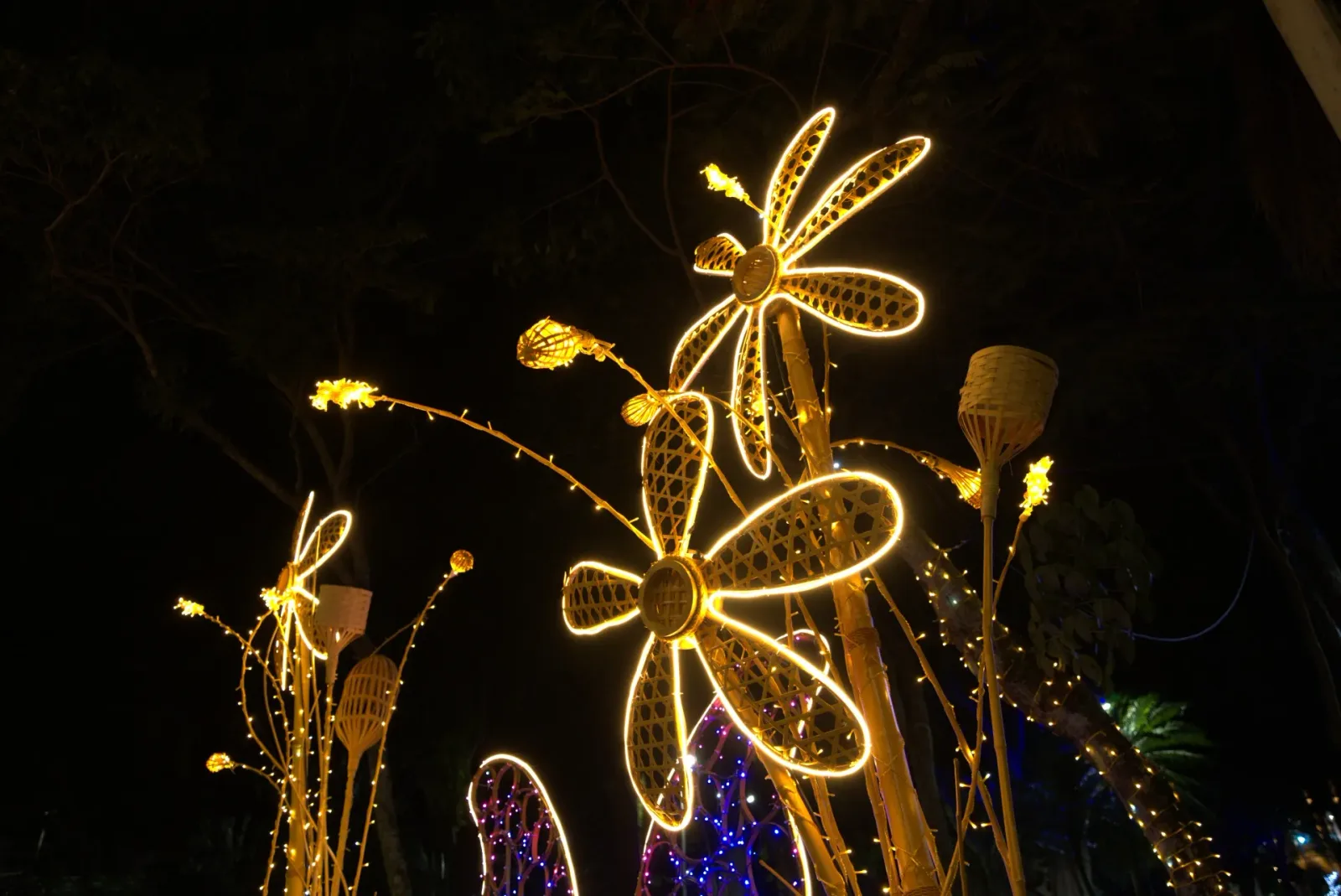
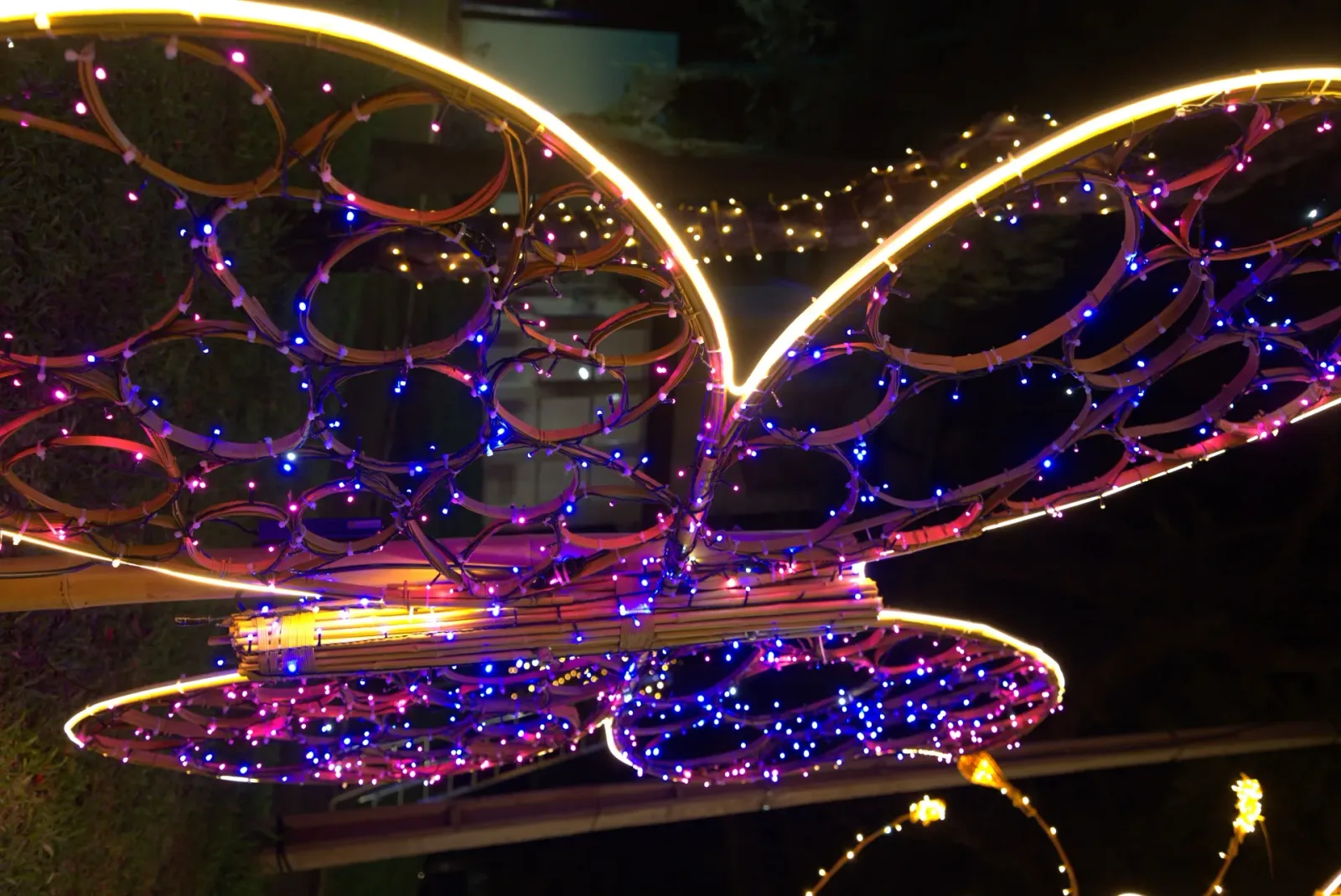
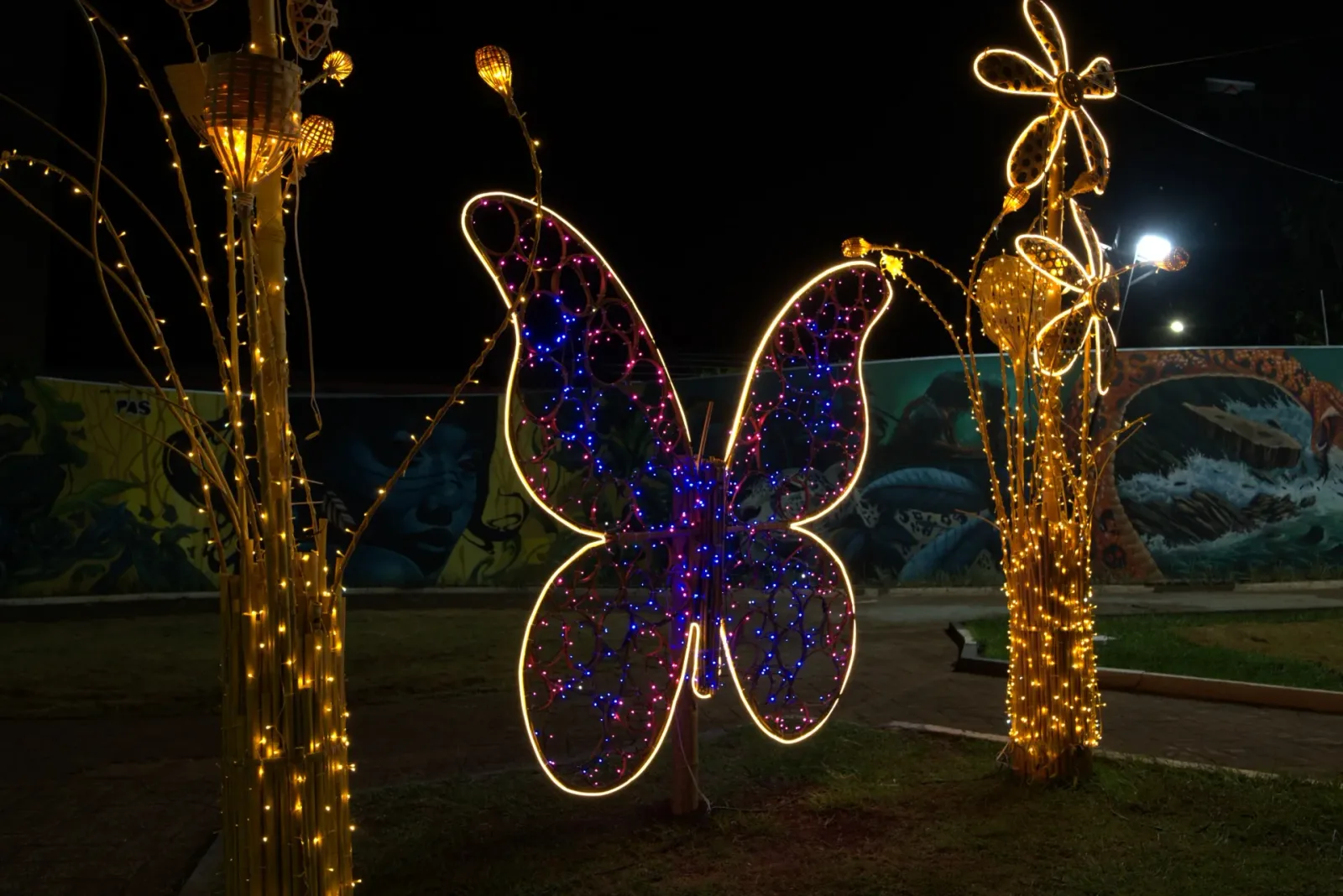
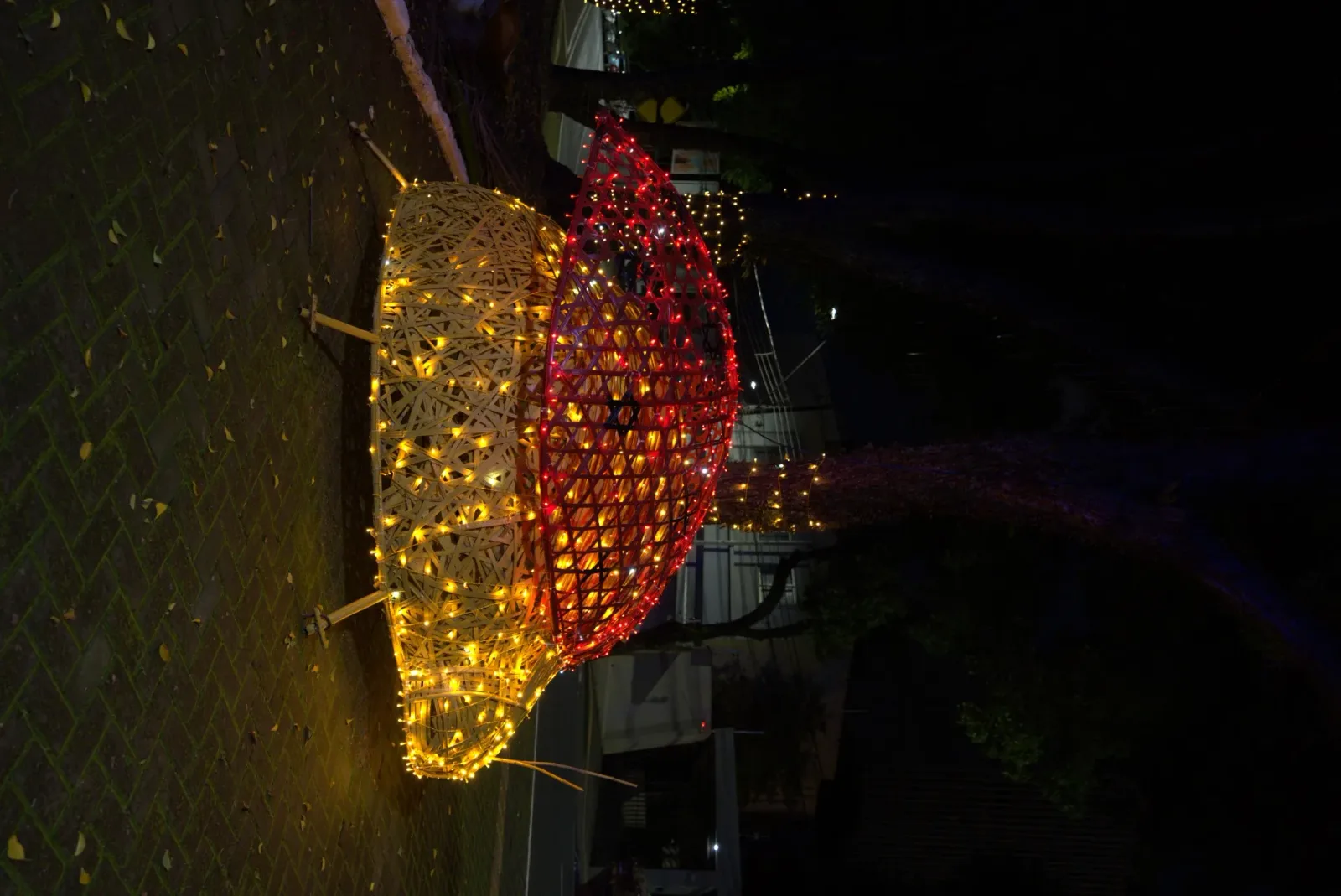
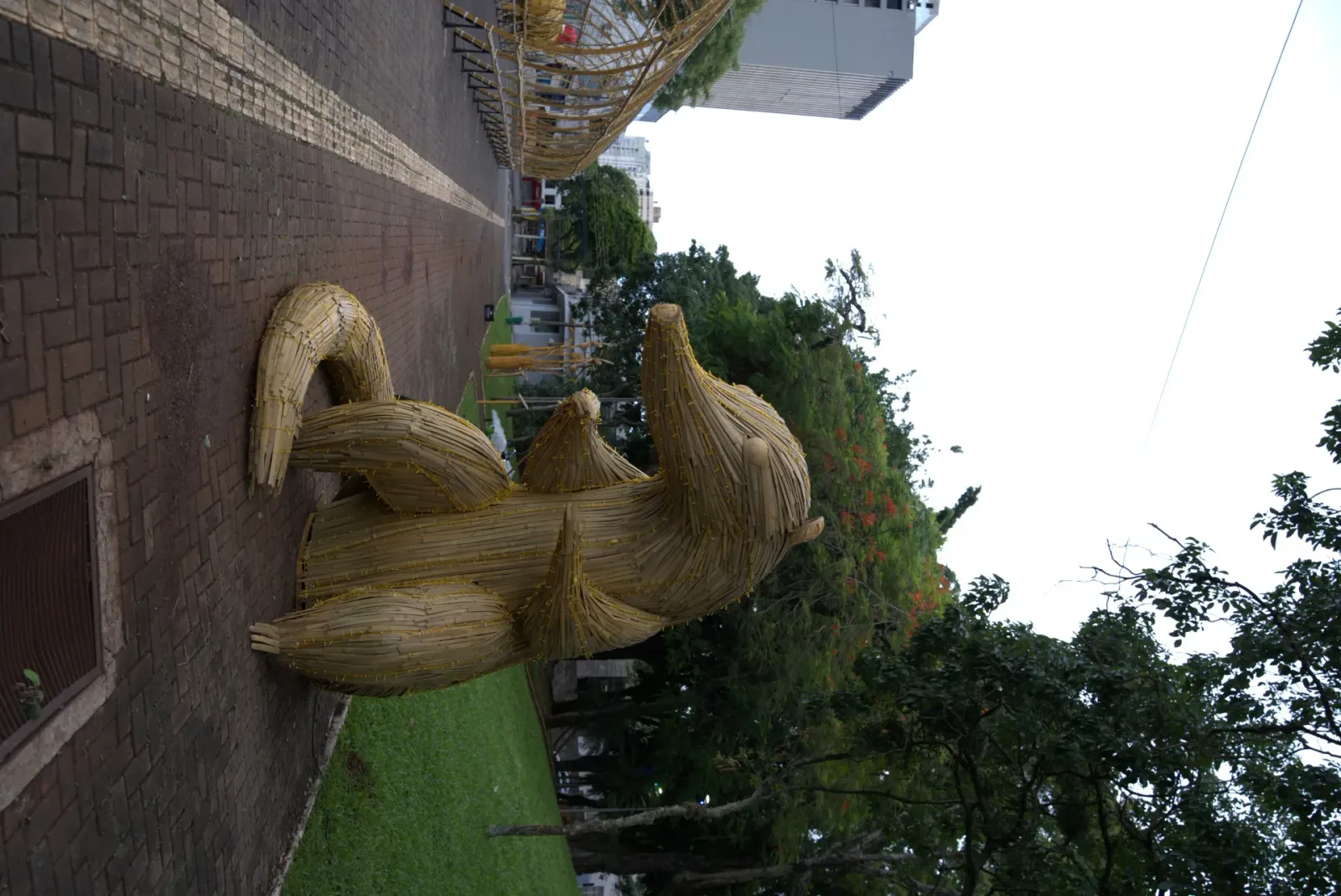
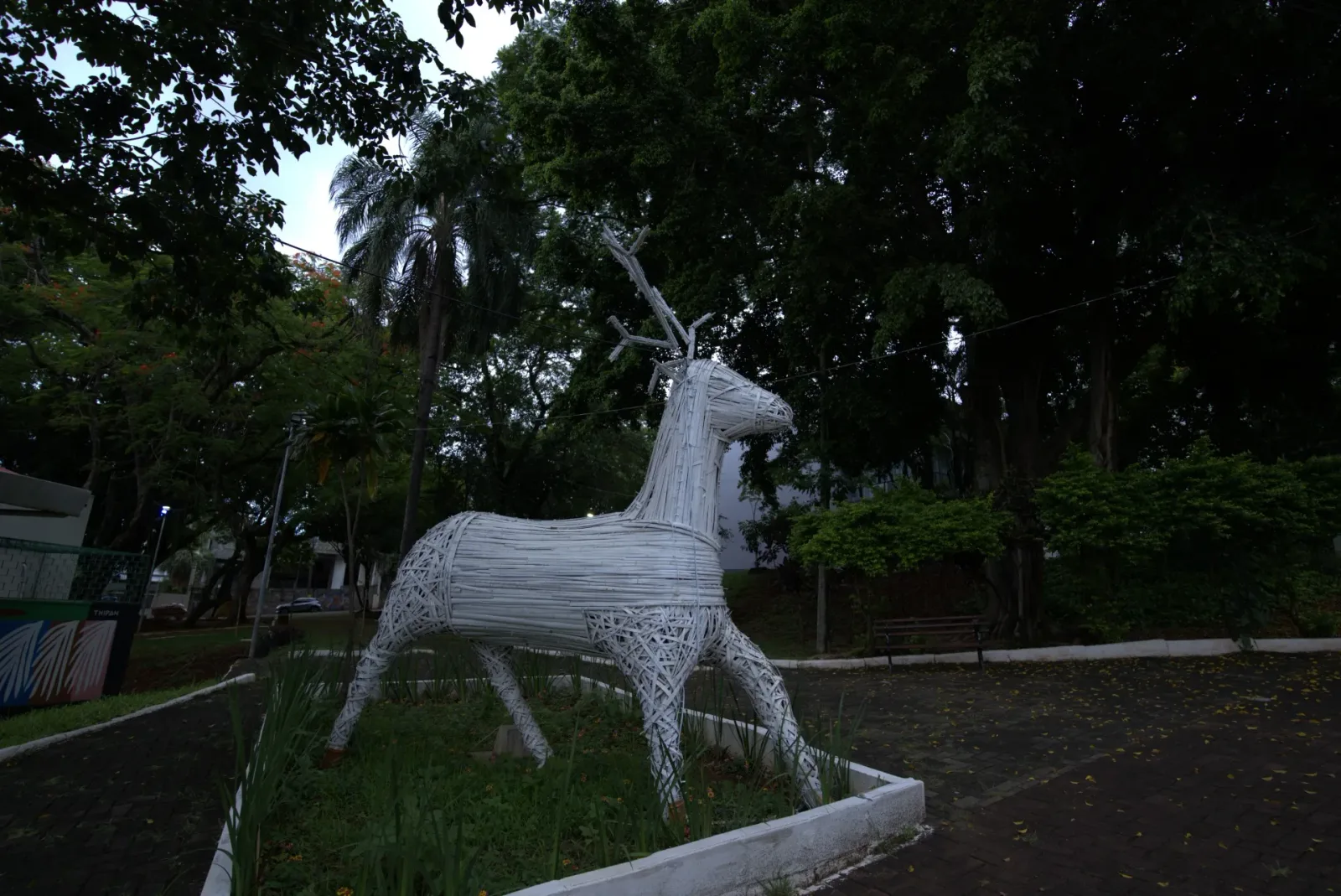
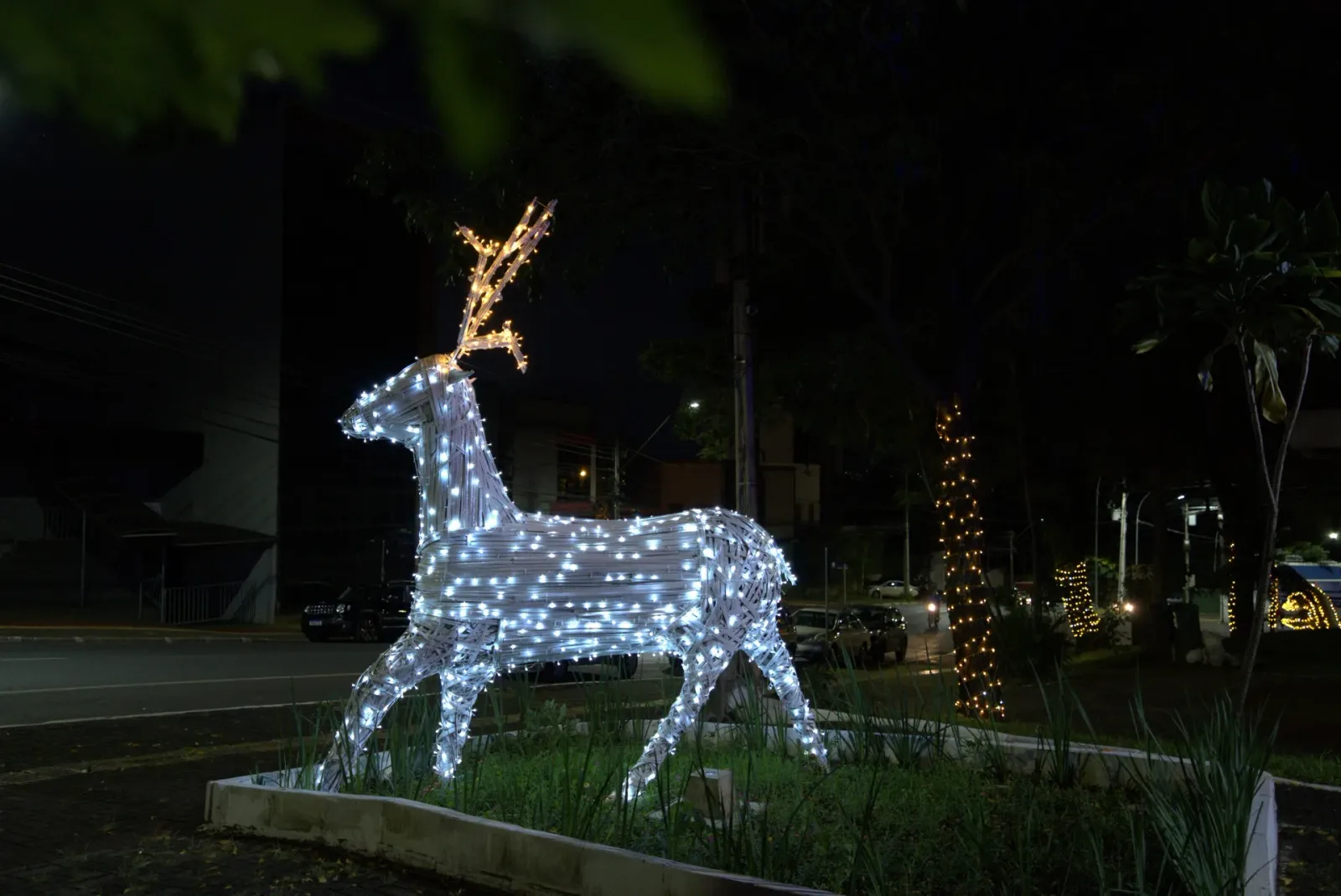
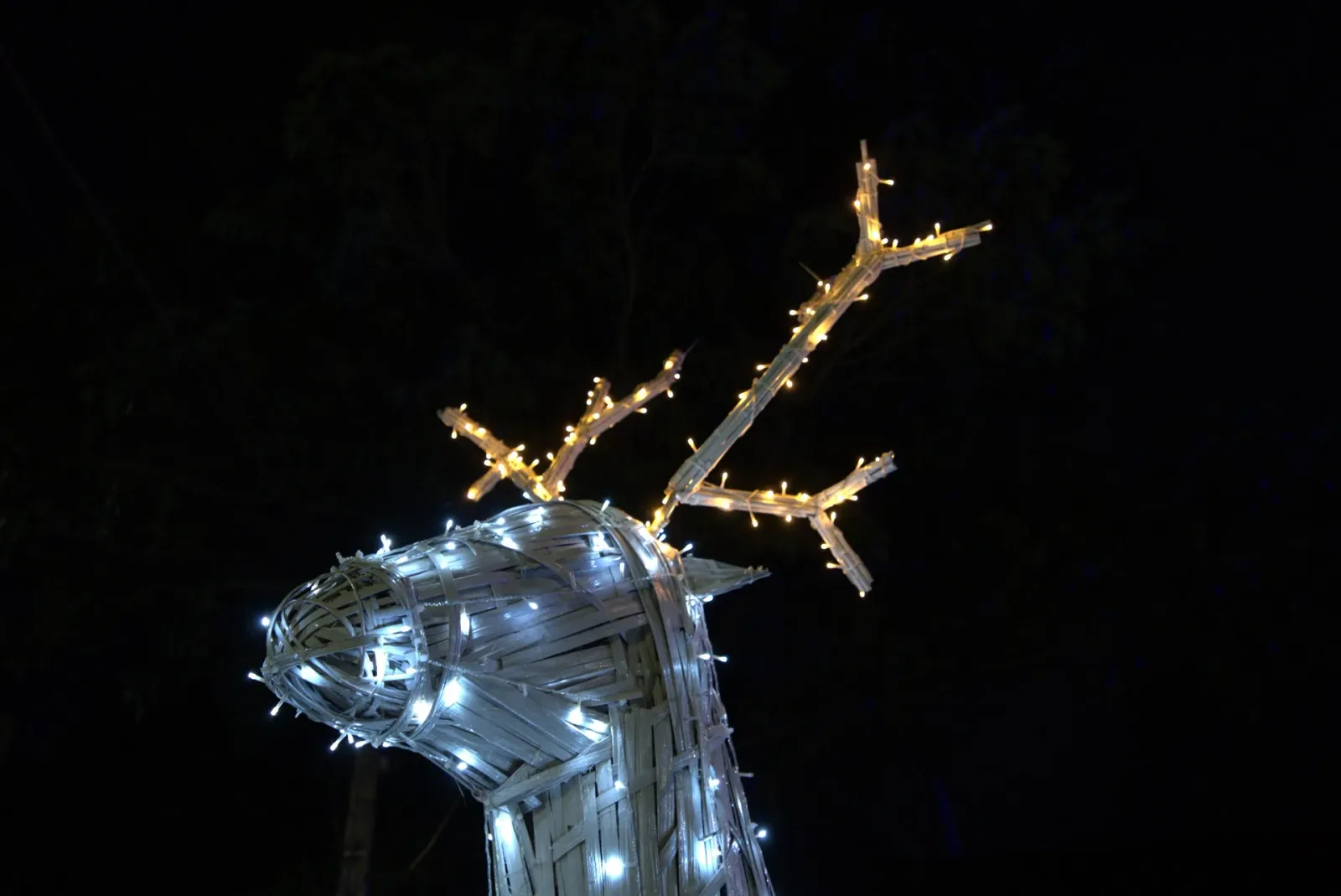
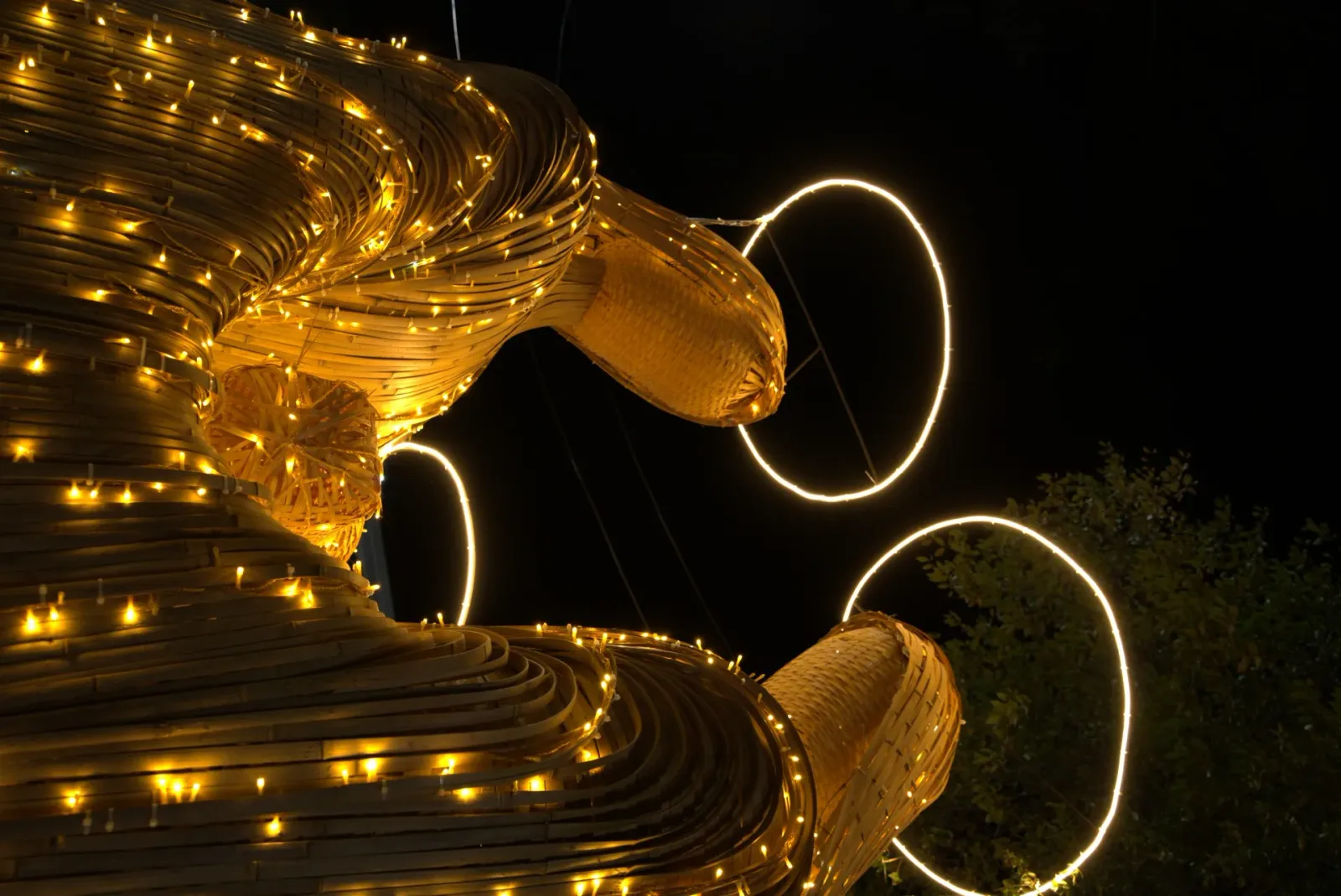
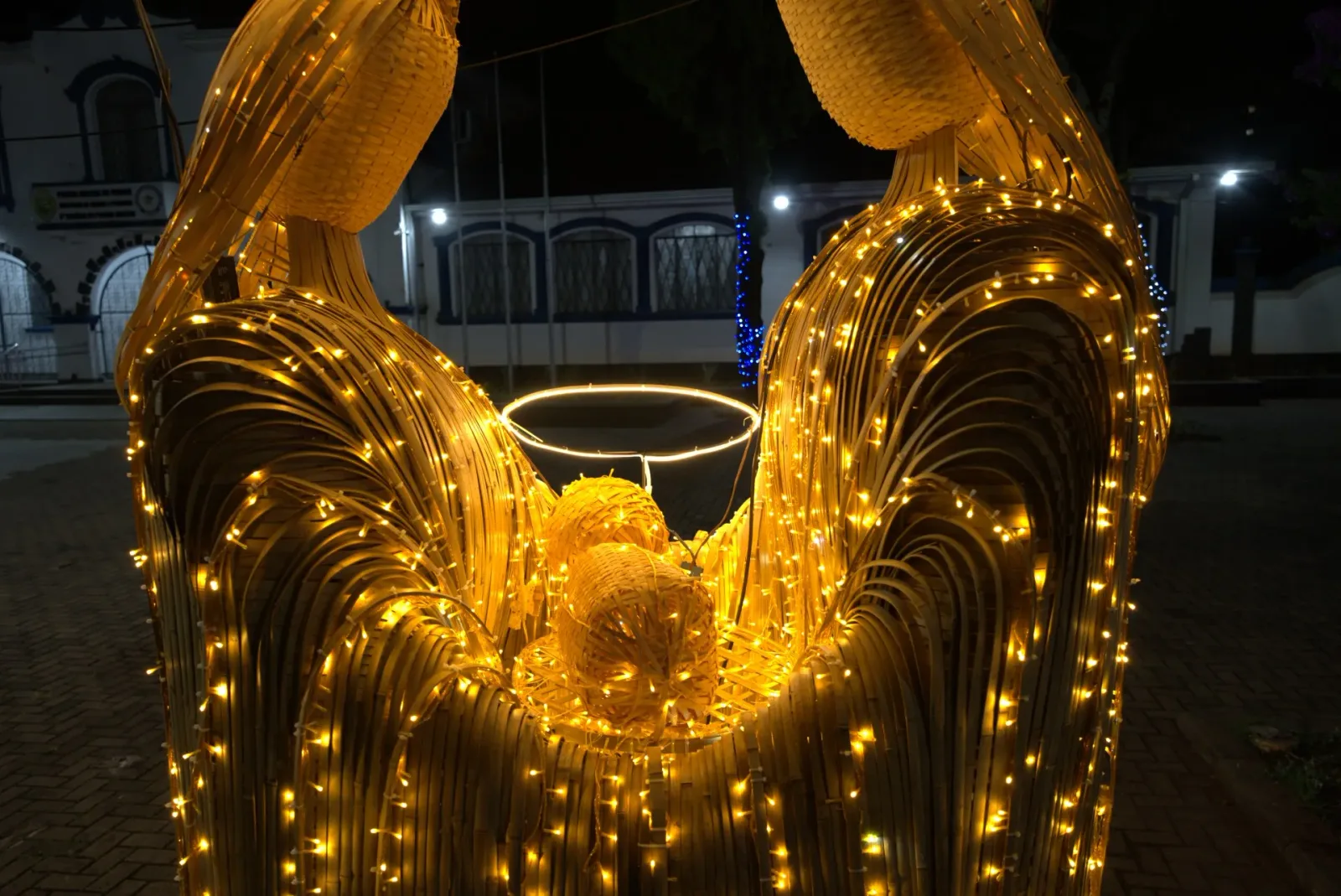
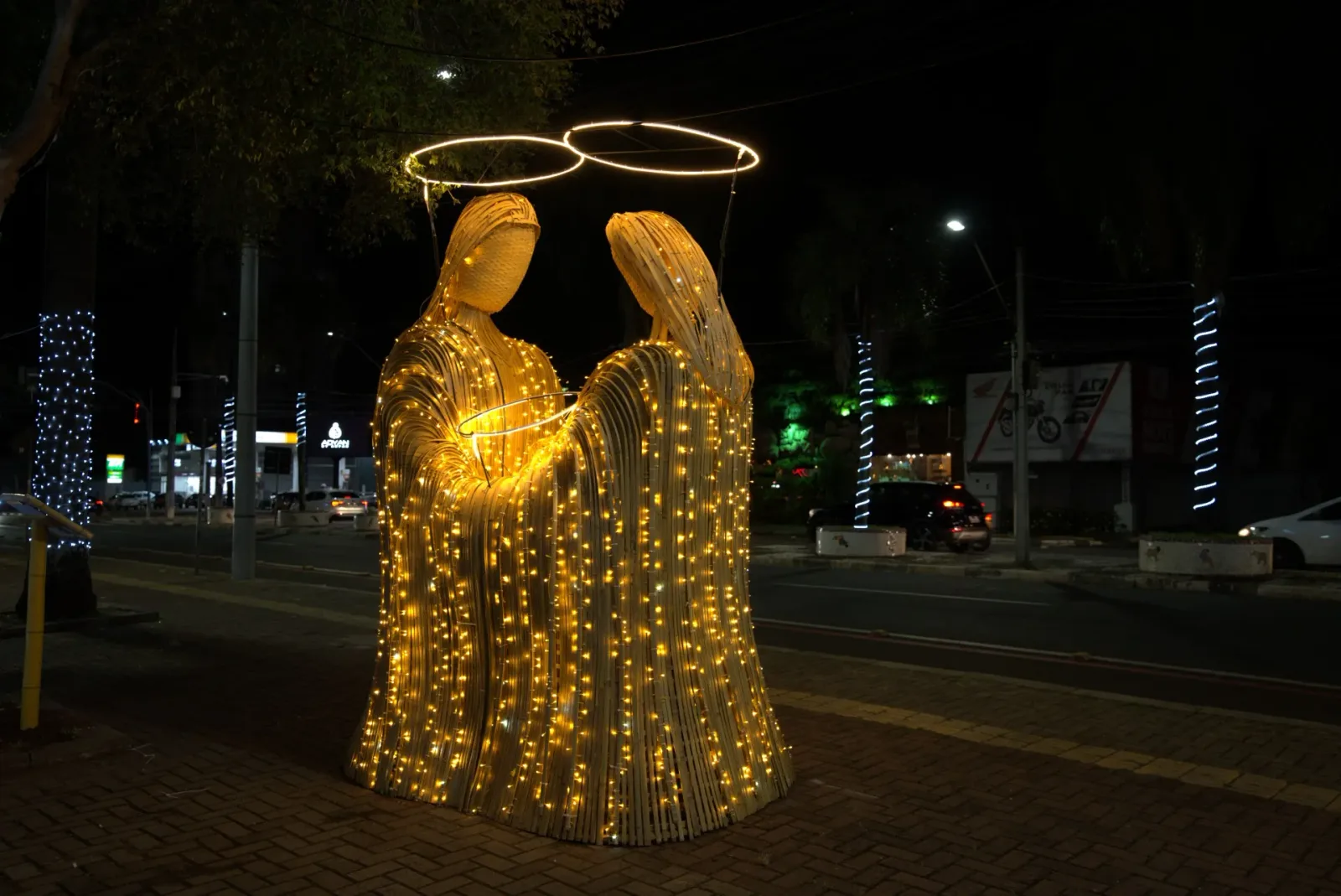
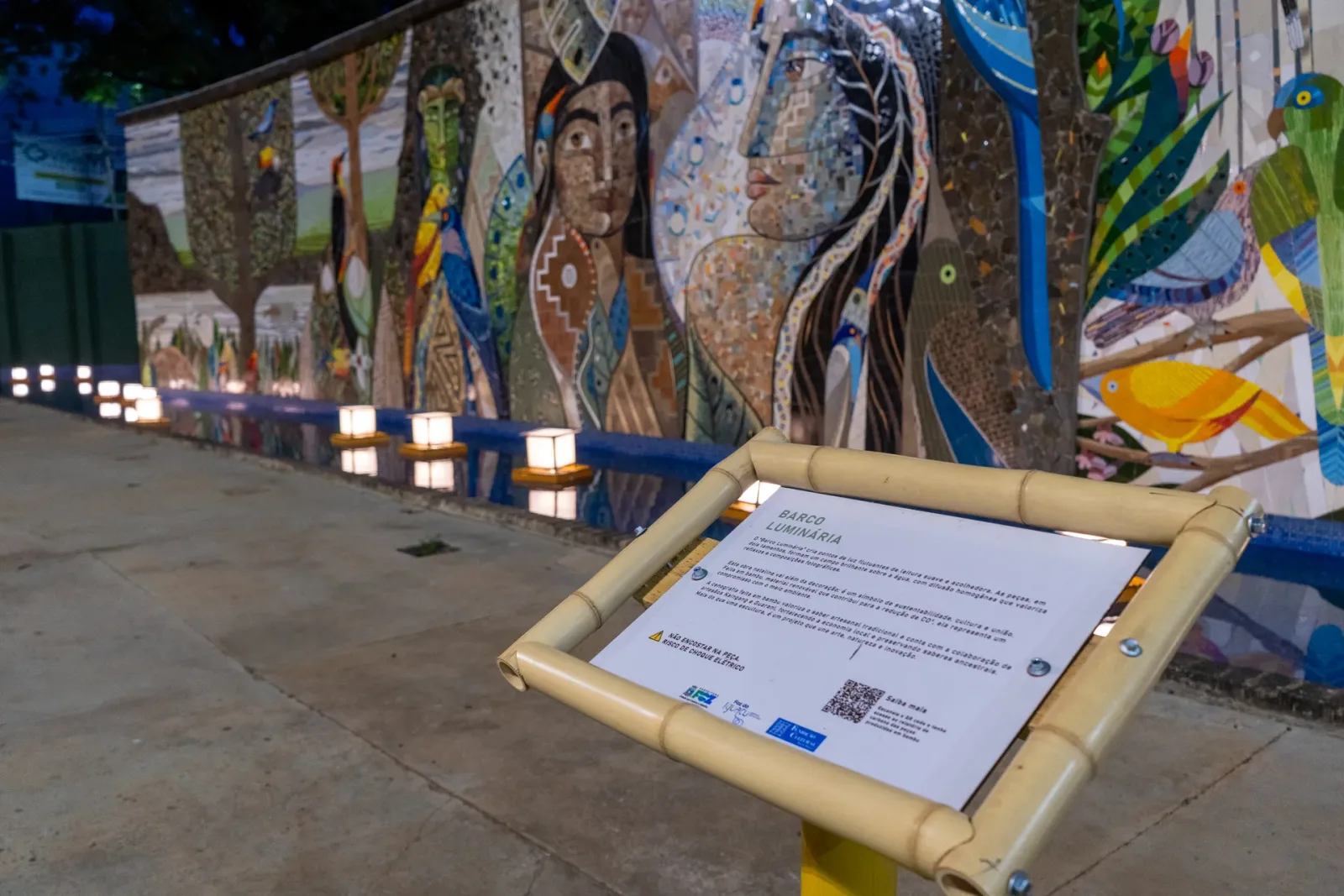
Project Gallery
















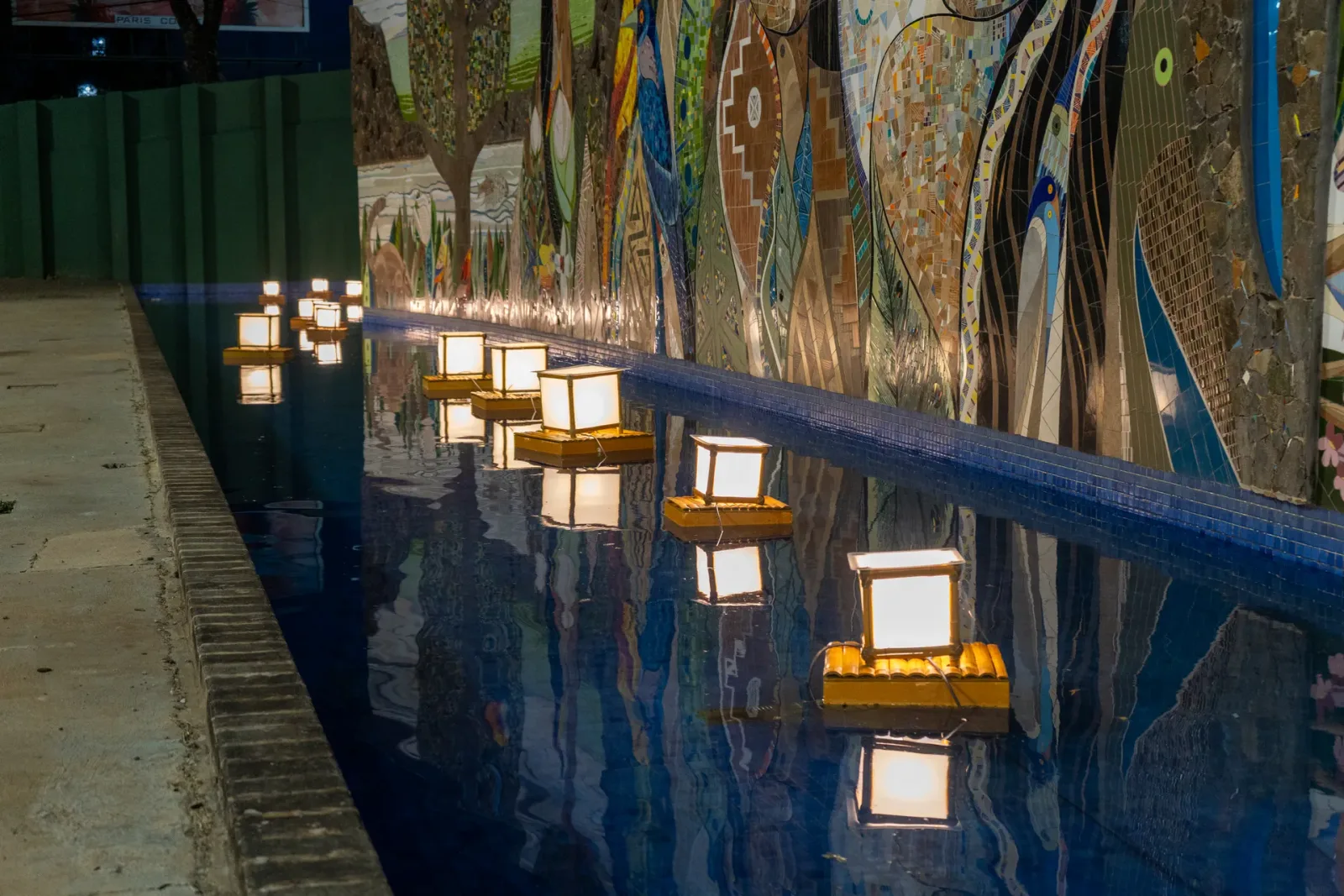
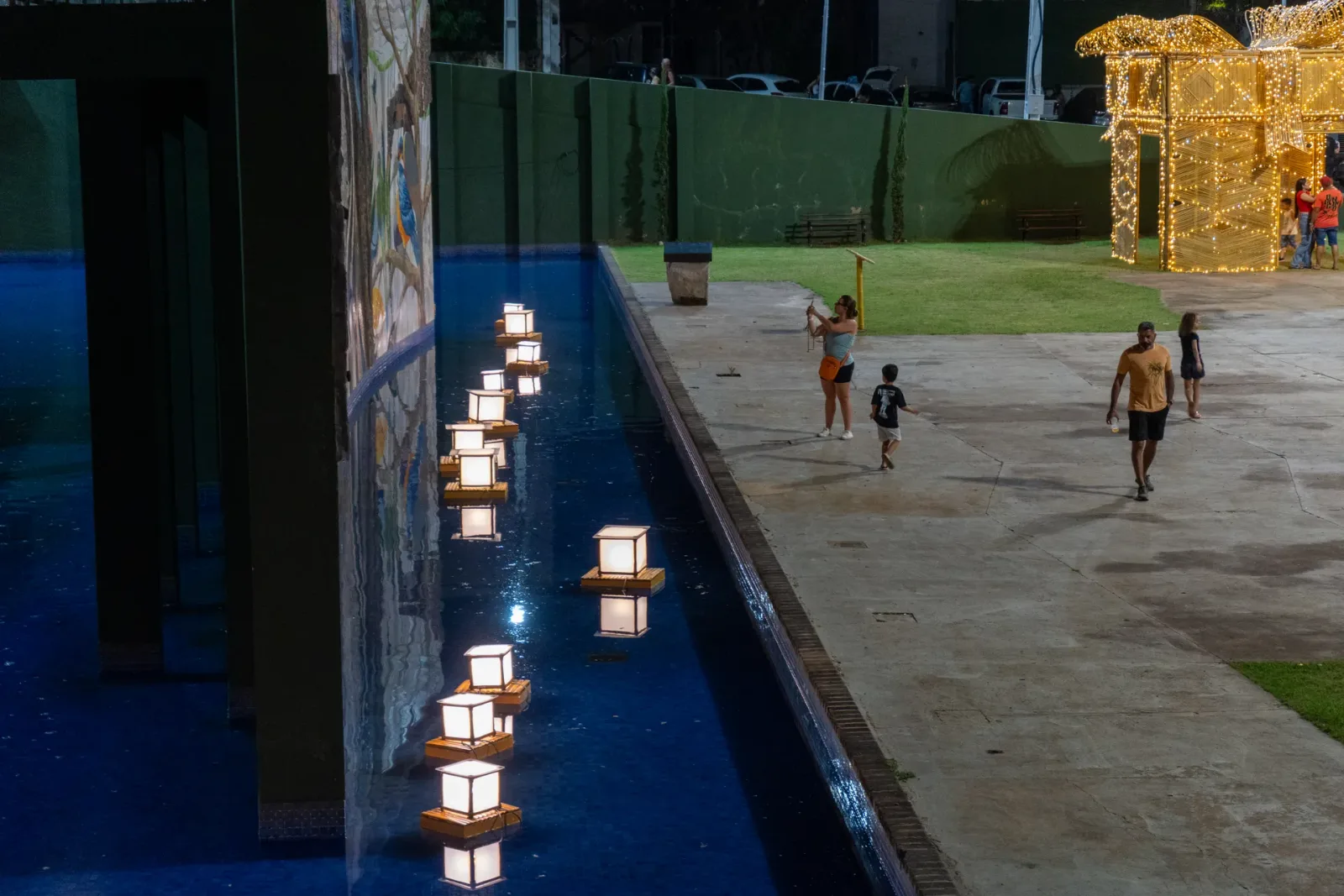
Video
The Project Video
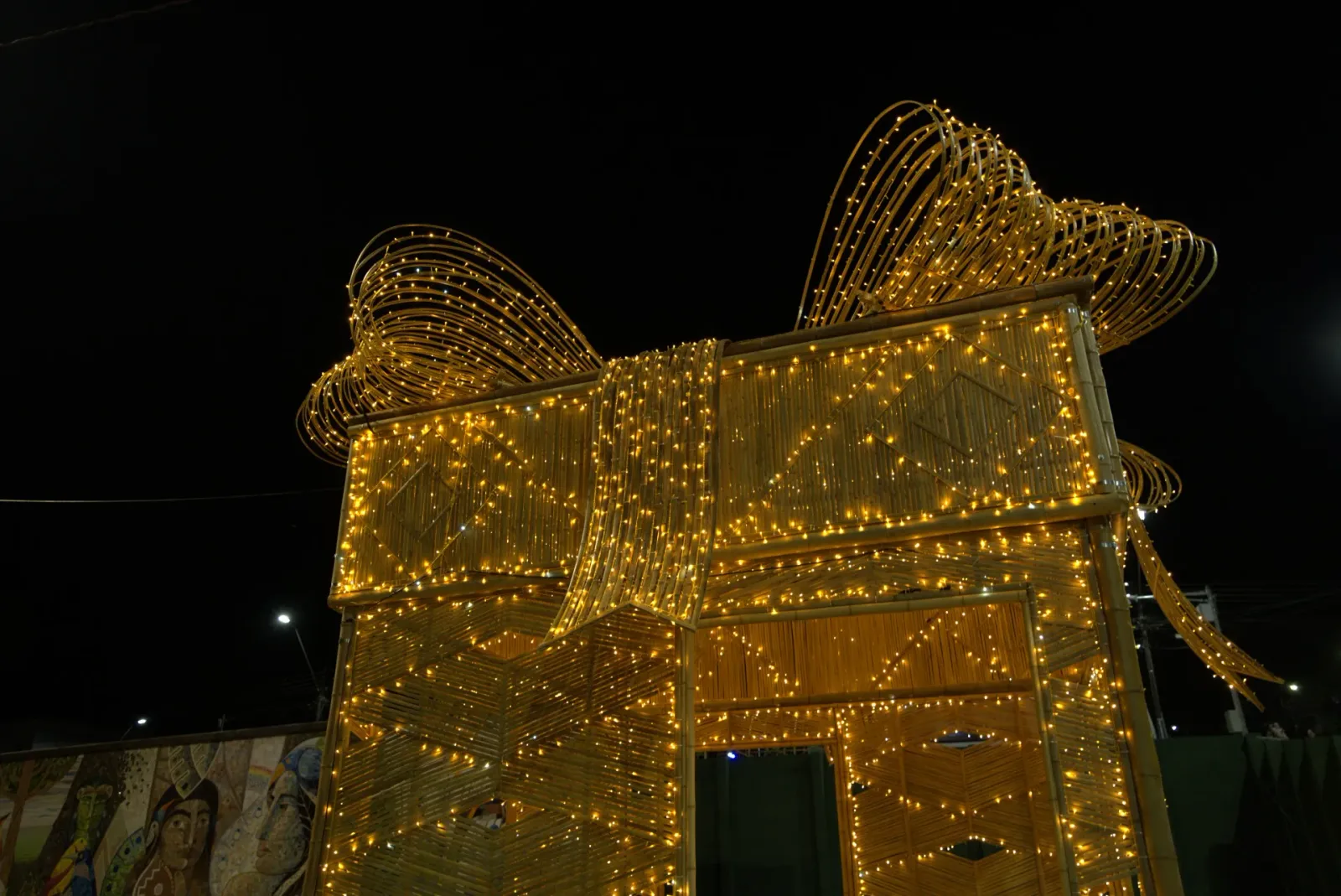
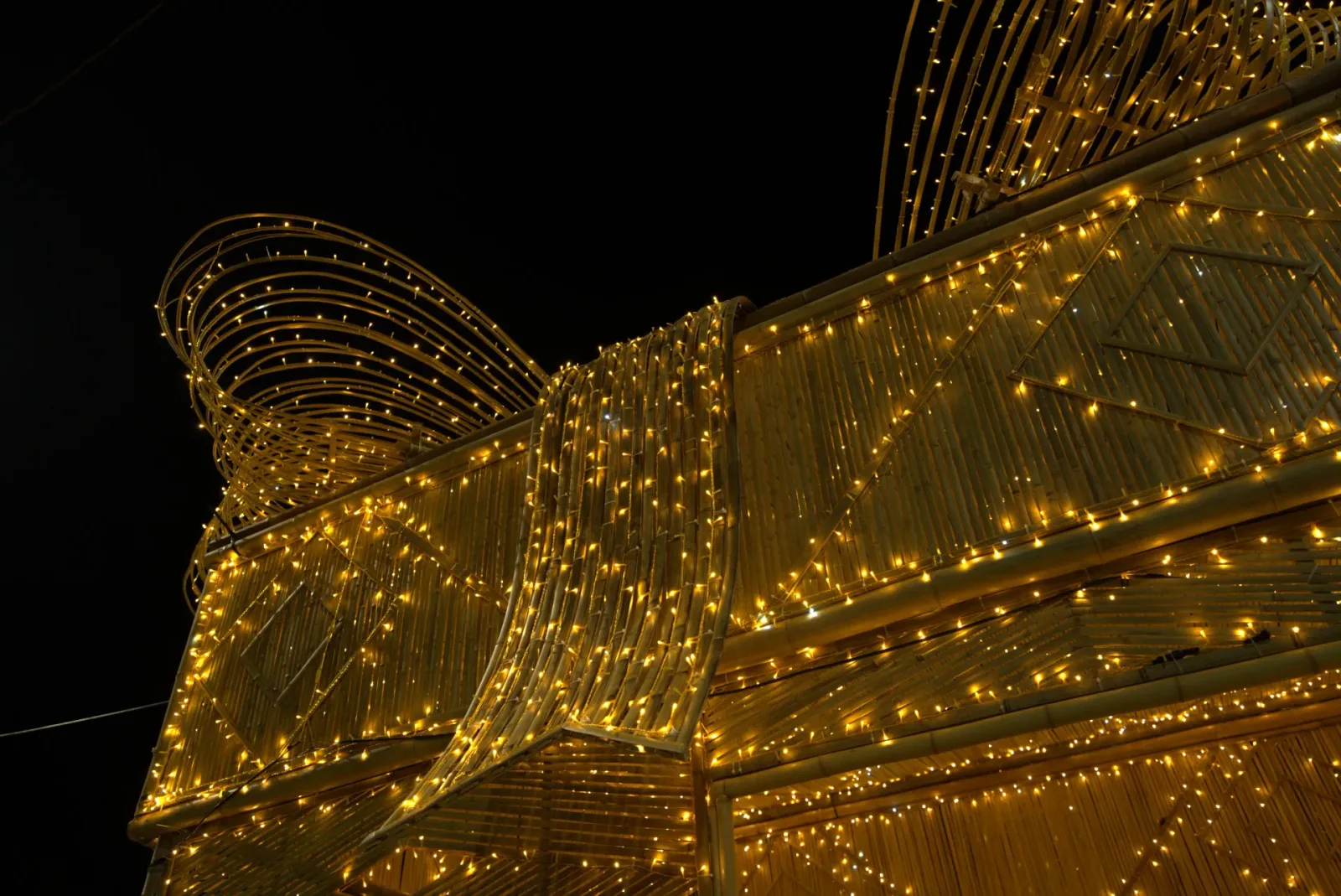
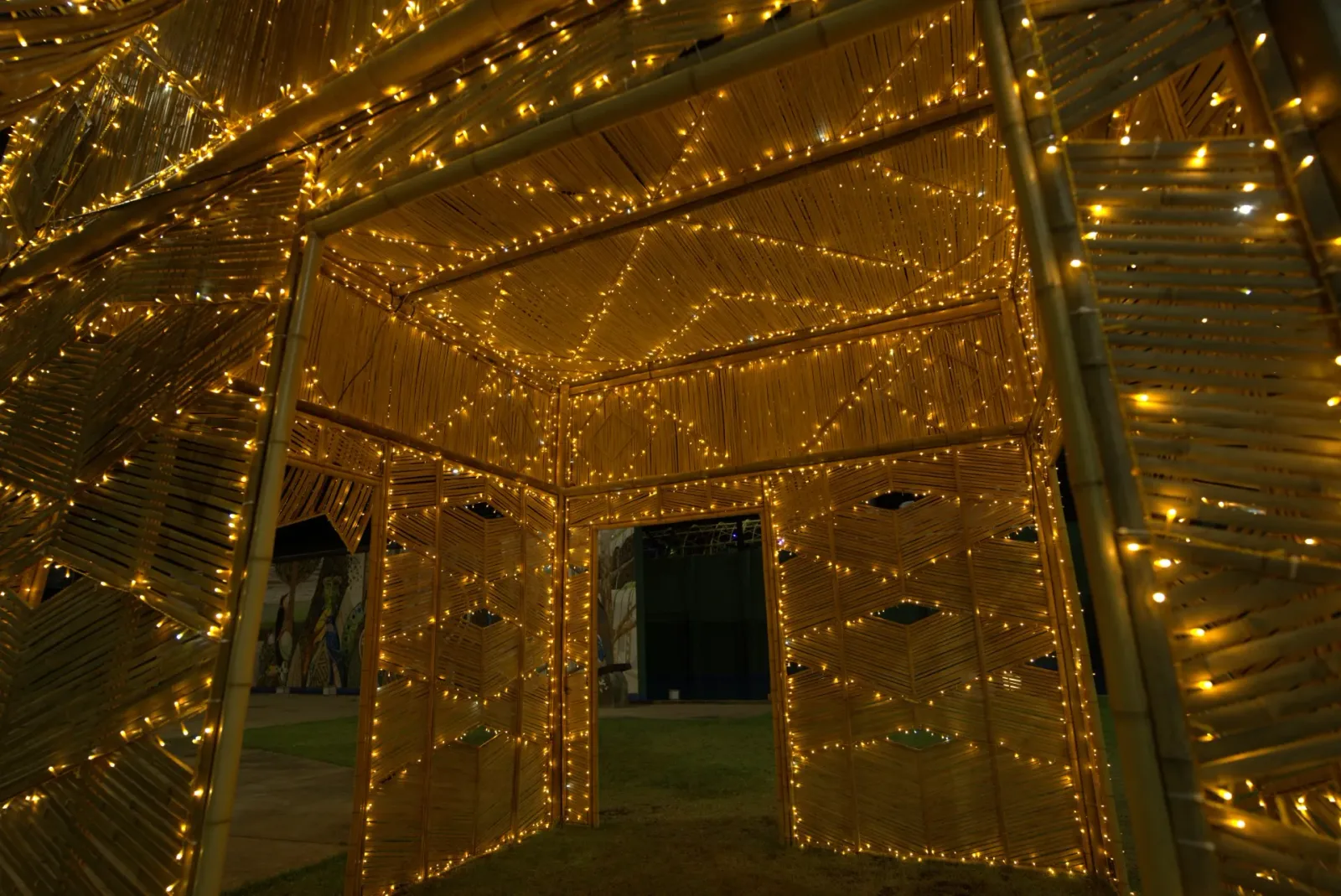
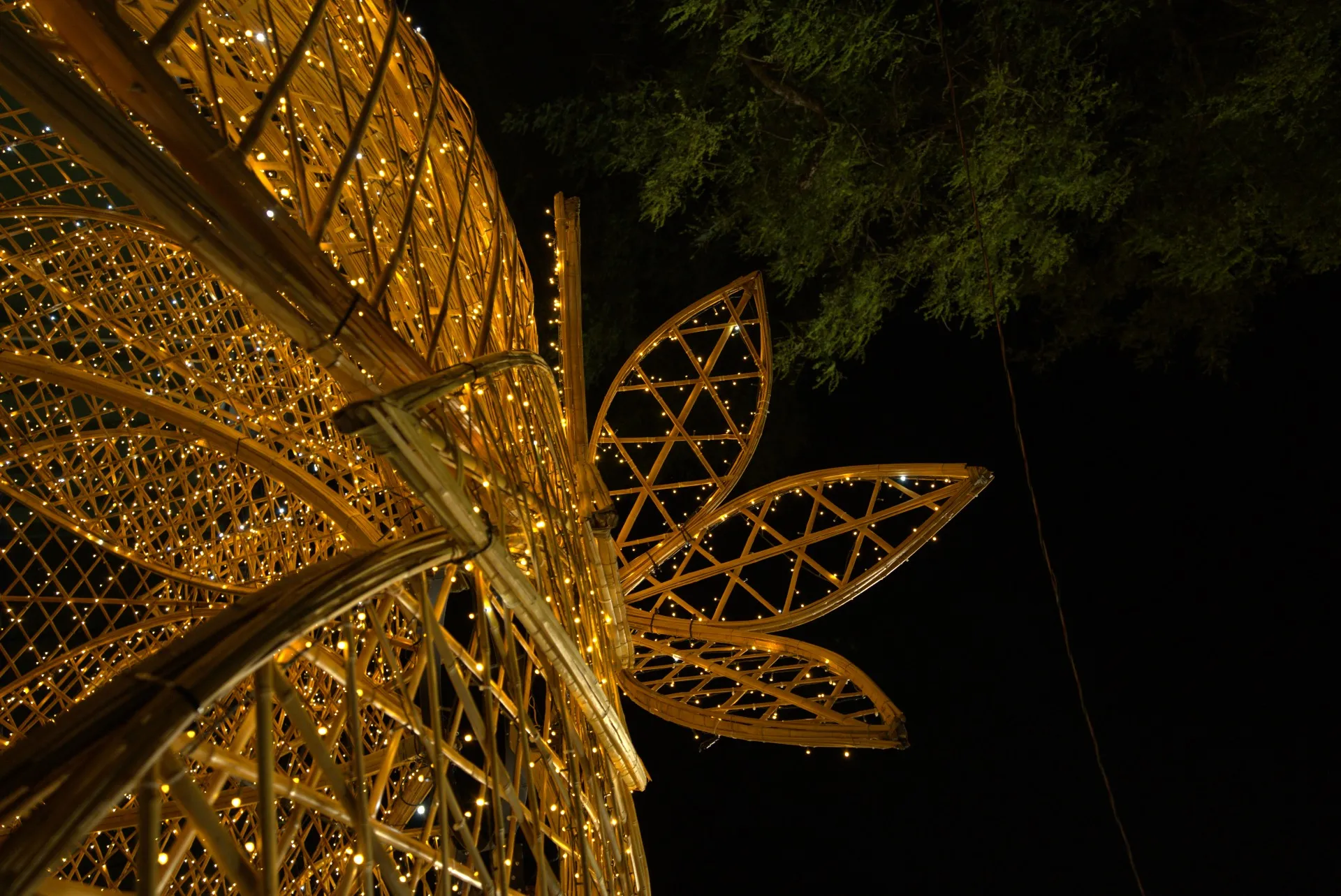
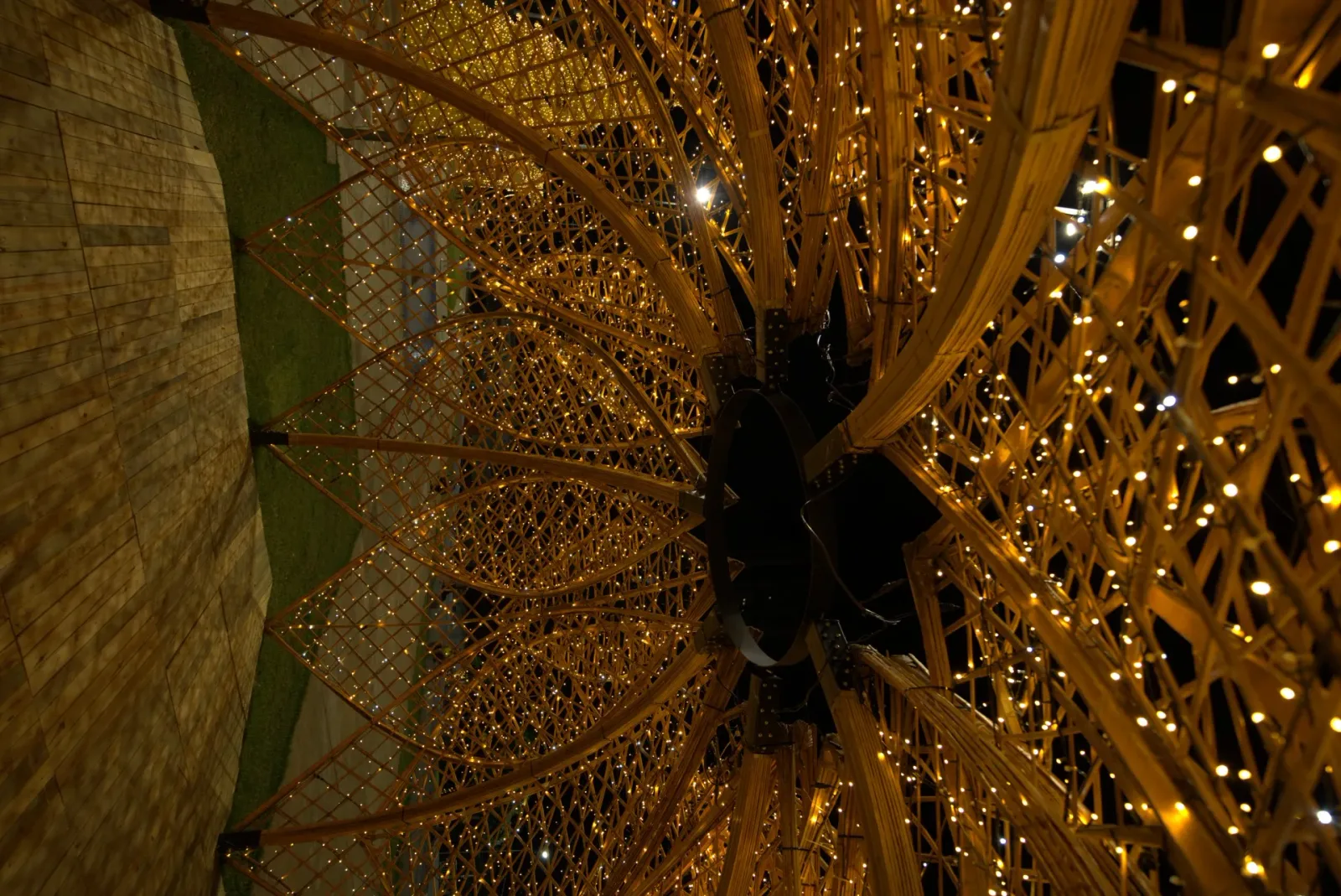
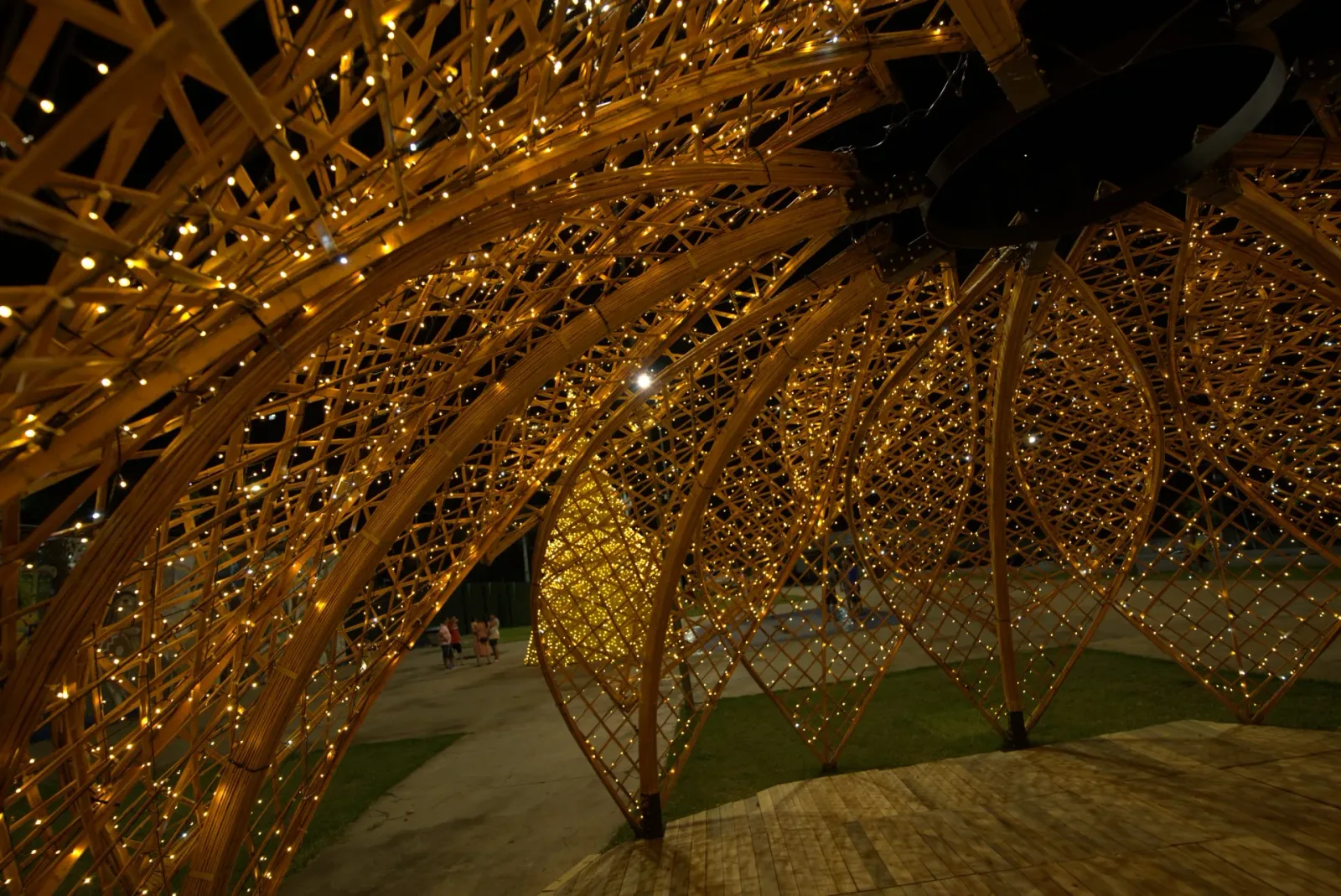
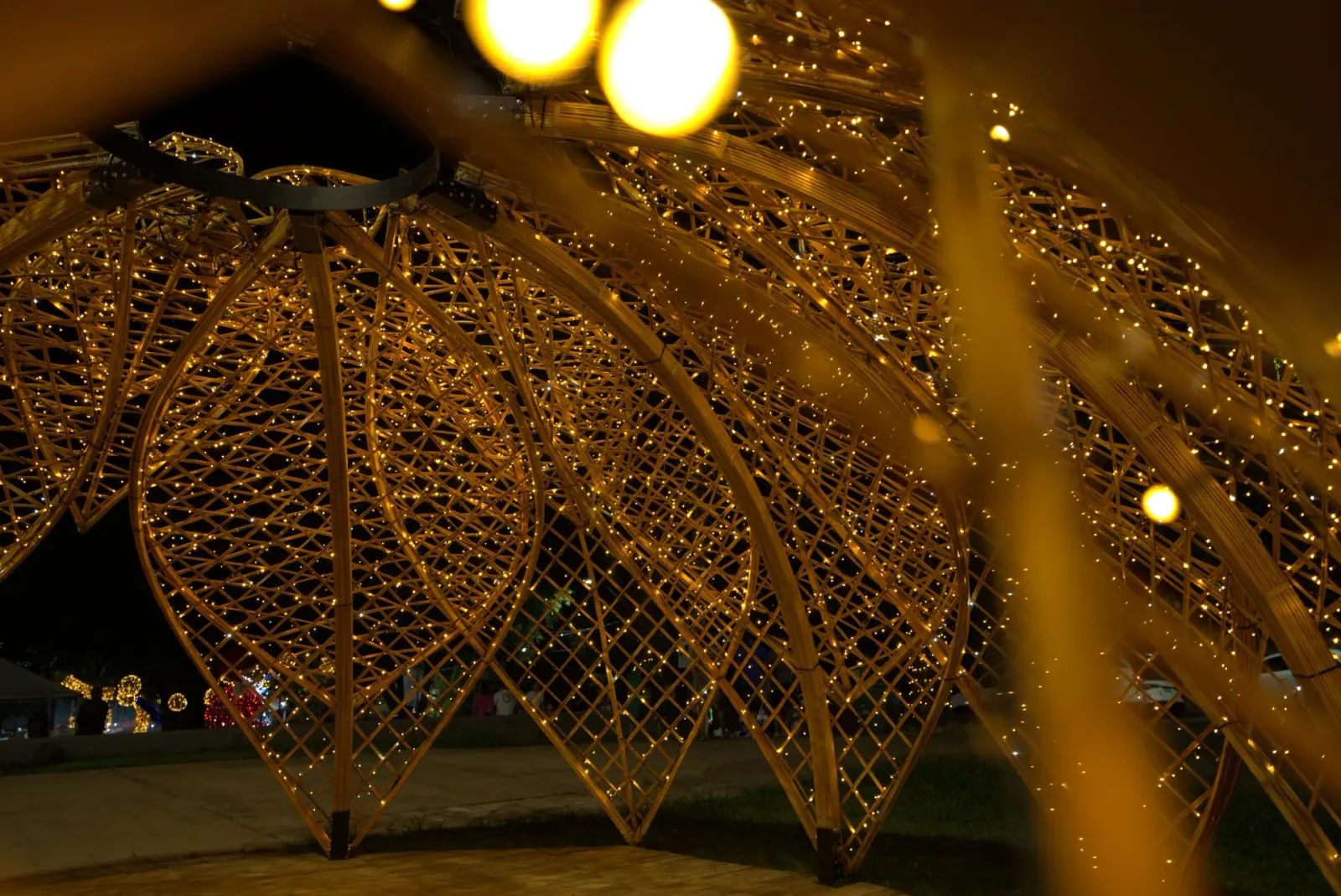
Christmas Foz do Iguaçu 2025 at Mitre Square — bamboo set design by Bambusa Atelier.
The Project Journey
The Hypocrisy of Traditional Tourism
Foz do Iguaçu is not an ordinary city; it is a global ecological sanctuary. Hosting a large-scale event at Mitre Square required a monumental structure. If public management and producers had followed market inertia, the project would have demanded an astonishing 25,458 kg of steel. The hidden impact of this choice would be devastating: high water consumption in steel mills, severe mining, and heavy trucks tearing up Paraná's highways. It was the model of "unsustainable beauty," a fatal contradiction for the ecotourism capital.
Monumental Scale, Invisible Footprint
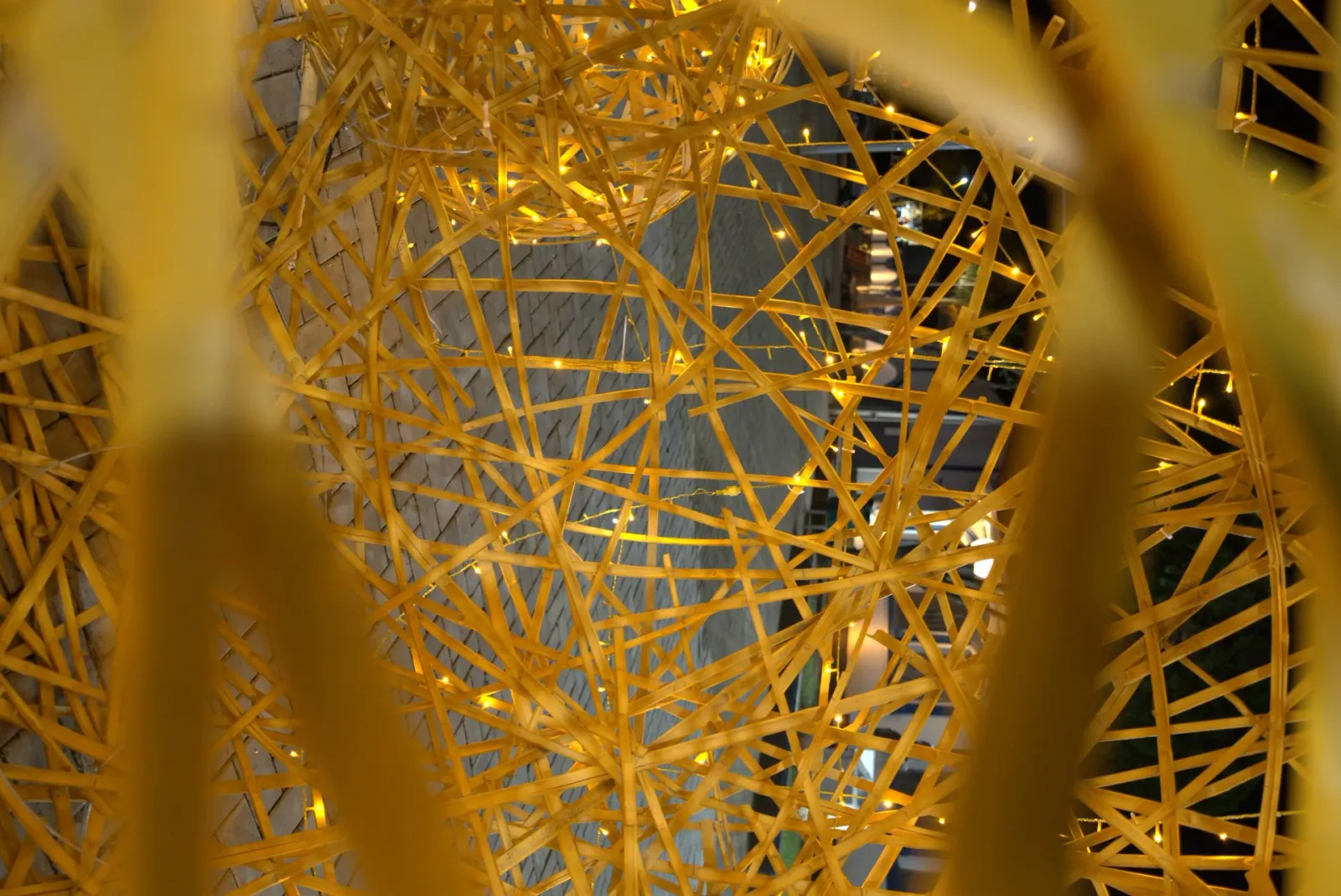
Bambusa Atelier was called upon to break this paradigm, by replacing steel with 8,902 kg of bamboo. To shield the choice from criticism, the project was subjected to the most rigorous Life Cycle Assessment (LCA) by D'Terra consultancy.
Solução 1
The Strength of Organic Scale
The calculations revealed the power of bioarchitecture in large volumes. Due to the immense amount of biomass used, the bamboo had sequestered -14,243 kg of CO2 during its growth. Subtracting freight, machinery, and cutting, the project was delivered with a negative climate balance of -10,593 kg of CO2. The pavilion was not just an ornament; it was an artificial lung in the city square.
Solução 2
The Competitive Advantage of Lightness
Replacing 25 tons of steel with 8.9 tons of bamboo not only saved the atmosphere but drastically cut logistical risks and costs. Fewer trucks, less need for heavy cranes in the city center, and a cleaner, more agile, and quieter assembly — ideal for the ecotourism capital.
The Undeniable Proof
The Results
Bamboo stands out as a low-impact solution with high socio-environmental relevance, incorporating circular economy principles and sustainable infrastructure. The initiative contributes directly to the UN Sustainable Development Goals (SDGs).
Outcome Indicators
| Indicator | Result Achieved |
|---|---|
| The Climate "Abyss" | Steel would generate +103,121 kg of pollution. Bamboo delivered -10,593 kg (Carbon Negative). |
| Mega Emissions Avoided | The project sequestered 103.1 tons of CO2 eq from the atmosphere. |
| Forest Equivalence | Avoiding this pollution is equivalent to the work of 10,300 trees growing for one year. |
| Energy Savings | Steel would demand the same energy that supplies 1,250 homes for an entire year. Bamboo prevented this energy collapse. |
Documento
Project Technical Report
Field Intelligence
What We Learned
The Foz do Iguaçu 2025 case revealed crucial lessons on sustainability, tourism, and public responsibility:
Tourist Destinations Demand ESG Coherence: Modern tourists (and investment funds) no longer accept greenwashing. Designing scenography using steel or disposable MDF in a city focused on ecotourism is a brand risk. This project proves that ephemeral architecture can and should be an extension of the destination's natural values.
The Competitive Advantage of Lightness: Replacing 25 tons of steel with 8.9 tons of bamboo not only saved the atmosphere but drastically cut logistical risks and costs. Fewer trucks, less need for heavy cranes in the city center, and a cleaner, more agile, and quieter assembly.
Sustainability That Generates Local Income: The report proved alignment with UN SDG 8. While purchasing steel sends municipal resources to distant, automated industrial centers, bamboo manufacturing retains wealth in the region, creating direct jobs in rural areas and valuing high-performance craftsmanship.
Perguntas Frequentes sobre este Projeto
Next Step
Turn This Intelligence Into Action
Do you manage a tourist destination, a park, or organize mega-events and need auditable infrastructure that respects the environment? Schedule a Strategic Session and discover how to create visual landmarks without destroying your carbon balance.
Schedule an AssessmentWant to learn how to lead large-scale bamboo projects and master the metrics that win sustainable bids? Join the Tudubambusa Academy waitlist.
Talk to Engineering